
Rainy season itinerary
A flexible November-to-March plan for visiting Machu Picchu in the wet season — built around weather buffers, train and landslide caution, indoor Cusco time, and the day-by-day rhythm that turns grey skies into an advantage rather than a gamble.

Photo: Willian Justen de Vasconcellos / Unsplash
- ✓The Andes have two seasons, not four: the wet one runs roughly November to March, peaking in January and February. Plan around the rains, not against them.
- ✓The whole point of a rainy-season plan is the buffer — extra days and a flexible order, so a clouded-out morning can be retried rather than lost.
- ✓Mornings are usually clearer than afternoons, so this itinerary points your citadel entry as early as the ticket and train allow.
- ✓February is the wettest month and the one the classic Inca Trail closes for maintenance; the citadel itself stays open year-round.
- ✓We name no prices, train times or ticket-circuit rules that move with the seasons — verify those live when you book.
Why a rainy-season trip needs its own plan
Most Machu Picchu itineraries are written for the dry season, when the skies are reliably blue and the only real enemy is the crowd. A wet-season trip is a different animal, and pretending otherwise is how people end up disappointed. Between roughly November and March the cloud forest lives up to its name: mornings can open clear and close over by lunchtime, afternoon downpours arrive on a near-daily schedule, and the mountains spend a good deal of their time wrapped in moving mist. None of that ruins the citadel — many travellers find the ruins at their most atmospheric half-veiled in cloud, the terraces impossibly green, the crowds thinned to a fraction of July's. But it does demand a plan built for uncertainty rather than one that assumes a perfect dawn.
The single most important idea on this page is the buffer. A rainy-season itinerary should never hang the whole trip on one morning at the gate, because that morning might be a wall of grey. Instead you build in slack — an extra night, a flexible order, a second crack at the view — so that weather becomes something you absorb rather than something that defeats you. Do that, and the wet season repays you handsomely: lush landscapes, lighter crowds, easier ticket availability and a softer, more intimate version of the place. This itinerary is a flexible template, not a rigid schedule, and the flexibility is the feature.
At a glance — the rainy-season plan
Before the day-by-day, the shape of the thing. The numbers are deliberately generous: in the wet season, slack is the whole strategy.
- Season: roughly November–March, wettest in January and February.
- Length: give it 5–7 days minimum, not the dry-season 3–4 — the extra nights are your weather insurance.
- Citadel timing: aim for the earliest entry your ticket and train allow; mornings clear more often than afternoons.
- Acclimatize first: Sacred Valley or Cusco for two nights before climbing anything, rain or shine.
- Inca Trail: classic four-day trail closes every February for maintenance; treks elsewhere run but get muddy — verify with operators.
- What stays open: the citadel itself is open year-round; the weather, not the gate, is the variable.
- Carry: a proper rain shell, dry-bag for the camera, quick-dry layers, and patience.
- Verify live: train schedules, ticket circuits and any closures shift — confirm everything close to the date.
The weather, honestly: what November to March really looks like
It helps to know what you are actually signing up for, because the rainy season is gentler and more workable than its name suggests. The rains are rarely all-day, all-grey affairs. The classic wet-season day starts with the best light of the day — often a clear or clearing morning — builds humidity through the late morning, and then delivers its rain in the afternoon, frequently as a heavy but passing downpour rather than a relentless drizzle. That daily rhythm is the key the whole itinerary turns on: you do the weather-sensitive things early and keep the afternoons flexible and indoor-friendly.
Intensity climbs through the season. November and March are the shoulders — wetter than the dry season but still with plenty of bright spells, and arguably the sweet spot for a green-but-not-soaked trip. December ramps up; January and February are the heart of the rains, the lushest and the least predictable, when cloud can sit on the mountains for days and the rivers run high. The citadel stays open throughout, and a clouded morning can be magical in its own right, but the wetter the month, the more buffer days you want. If you have flexibility in when you go, the late-November and March edges give you the wet season's greenery and quiet with rather better odds of a clear view.
Days 1–2 · Land soft and acclimatize (Sacred Valley or Cusco)
Rain or shine, the trip opens the same way every Machu Picchu trip should: gently, and at altitude. Fly into Cusco and either stay in the city to acclimatize or — the kinder option, and doubly sensible in the rains — drop straight down to the lower, warmer Sacred Valley, where the air is thicker and a wet day is less miserable than at 3,399 m. Give it two unhurried nights. The acclimatization is non-negotiable: the citadel sits lower than Cusco, but the high city is where altitude bites, and a body fighting both thin air and cold rain is a body having a bad time.
These first days are also where the wet-season buffer earns its keep, because they are weather-agnostic. Acclimatizing is low-effort by design — gentle walks, coca tea, an easy museum, a market — and almost all of it works just as well under cloud. If the forecast for your planned citadel morning looks grim, this is when you start quietly rearranging the days that follow. The Sacred Valley in the rains is gorgeous in a moody way, the Urubamba running full and brown, the terraces glowing green; spend the time well and you arrive at the citadel both acclimatized and unhurried.
- Sleep two nights before climbing higher — Sacred Valley (≈2,800 m) is the gentler, warmer choice in the rains.
- Keep it low-effort: easy walks, markets, museums — all weather-proof.
- Watch the forecast and start flexing your citadel day now, while there's slack to flex.


Day 3 · Down the valley to Ollantaytambo, with a weather eye
Move down to Ollantaytambo, the living Inca town where the train line to Aguas Calientes begins. Staging here the night before your citadel day is smart in any season and smarter in the wet one: it shortens the morning of, drops you to a lower, warmer altitude, and — crucially — keeps you close to the rail line if schedules shift. Spend the afternoon on the town's superb fortress-temple ruins if the rain relents, or under cover in a café watching the river run high if it doesn't. Either way you are positioned to catch an early train the next morning.
This is also the day to do your due diligence on disruption. Wet-season rains occasionally trigger landslides and rockfalls in the Urubamba gorge, which can delay or reroute trains and, rarely, close the line for a time. None of that should frighten you off — the operators manage it constantly and it is usually a matter of hours, not days — but a rainy-season traveller checks. Confirm your train is running as scheduled, ask your hotel and operator about any current advisories, and be glad you built in buffer days if the answer is 'delayed'. Verify everything live; conditions and timetables in the gorge can change quickly in the rains.
- Stage in Ollantaytambo the night before — lower, warmer, and on the rail line.
- See the ruins if the weather allows; keep the plan flexible if it doesn't.
- Check for landslide or train-disruption advisories before the citadel morning.


Day 4 · The citadel — early, with a fallback
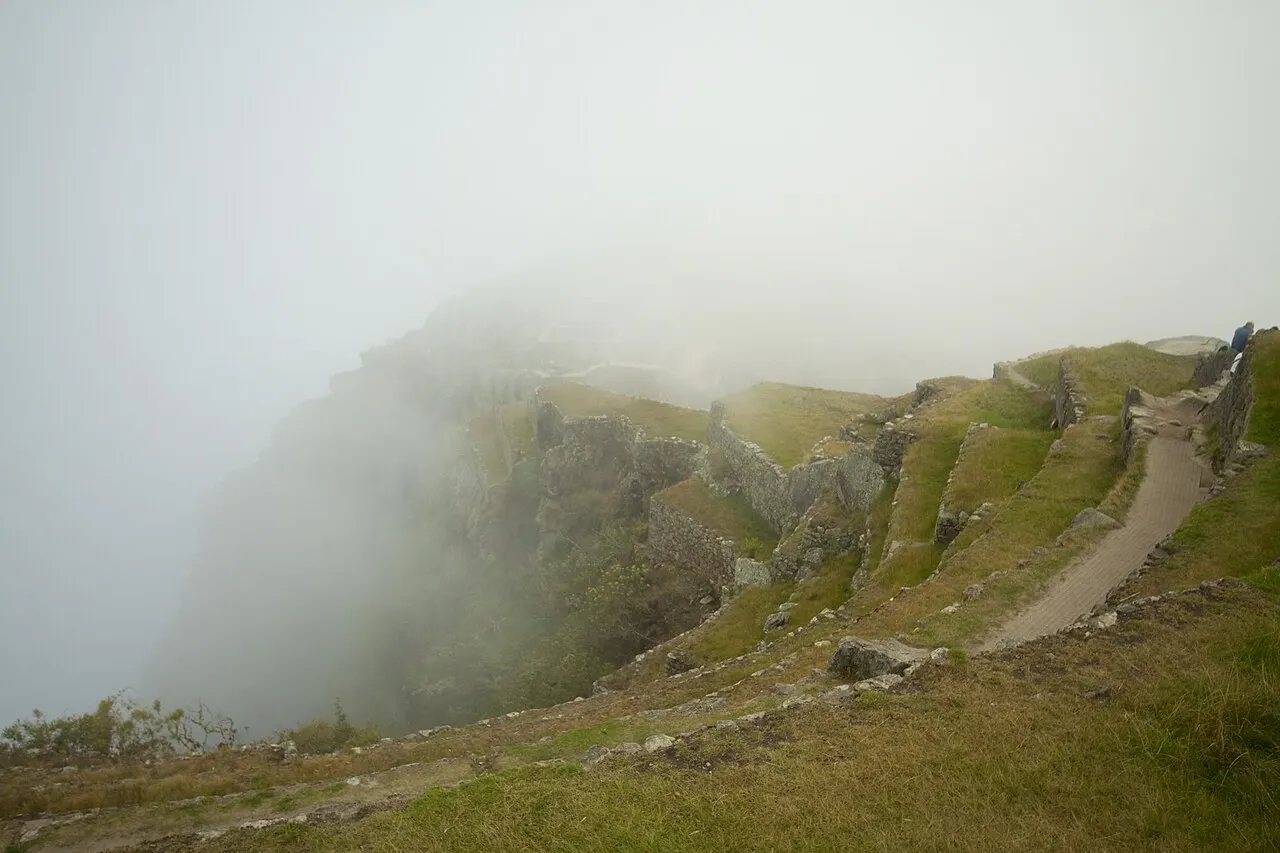
This is the day the whole itinerary is built to protect. Take the earliest train and the earliest citadel entry your ticket allows, because in the wet season the morning is your best statistical shot at a clear view, and an early slot leaves the rest of the day to recover from a cloud-out. Ride into Aguas Calientes, take the shuttle bus up the switchbacks to the gate, and walk your circuit. If the famous overlook is socked in when you arrive, do not despair and do not rush off — mountain cloud moves fast, and it is common for a grey arrival to break open into a window of clear view twenty minutes later. Patience at the viewpoint is a rainy-season superpower.
Build a fallback into the day. The beauty of an early entry is that if the morning is hopeless, you still have the afternoon and — if you planned a buffer night in Aguas Calientes — the following morning to try again. Some wet-season travellers deliberately book a second, later entry on the next day as insurance, accepting the extra cost for a far better chance at the view; others simply keep a flexible spare day in the bag. Either way, carry a proper rain shell, keep your camera in a dry-bag, wear shoes that cope with wet stone, and remember that the circuits can be slick — tread carefully on the terraces and stairs. A clouded, dripping, near-empty Machu Picchu is, for many, the more haunting memory; lean into it rather than mourning the postcard.
- Take the earliest train and entry you can — mornings clear more reliably than afternoons.
- Wait the cloud out at the viewpoint; mist often lifts within minutes.
- Keep a fallback: a spare day, or even a second entry, as weather insurance.
- Pack for wet rock: rain shell, dry-bag, grippy shoes; mind the slick stairs.


Day 5 · Buffer day — the most valuable day on the trip
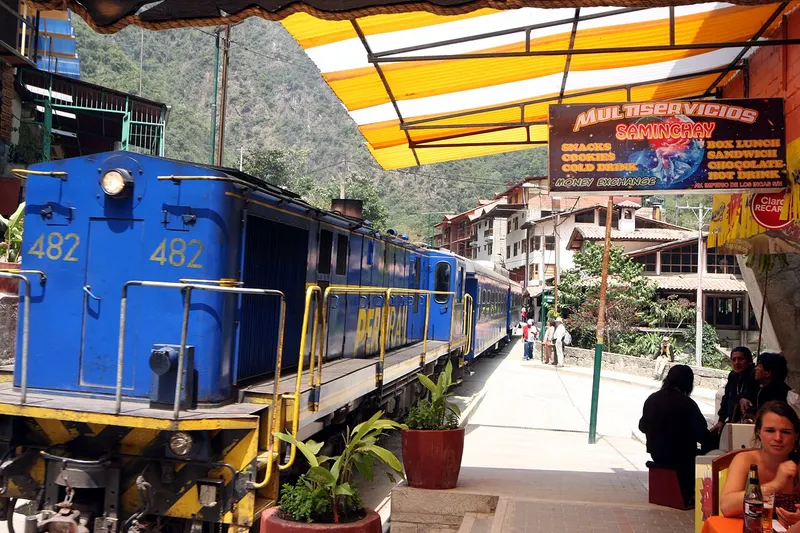
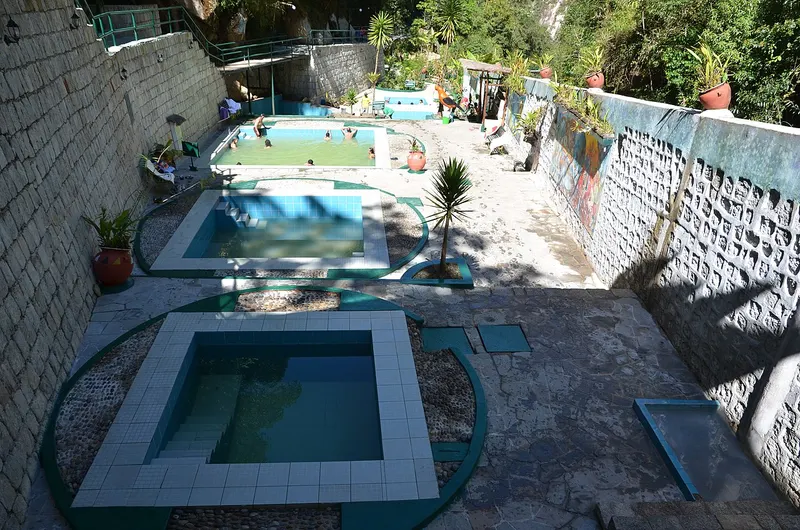
Here is the day that separates a rainy-season plan from a rainy-season gamble: a deliberate spare. If Day 4 delivered a clear, glorious morning, congratulations — spend Day 5 however you like, on the hot springs at Aguas Calientes, a gentle walk to the Mandor gardens, a slow return up the valley. But if the citadel was a wall of cloud, this is your second chance, and you will be deeply grateful you held it back. A buffer day is not wasted time; it is the insurance premium that lets you sleep the night before without dreading the forecast.
Use the buffer wherever it fits your nerves. Some travellers keep it in Aguas Calientes for a same-or-next-morning re-attempt at the citadel; others place it back up in the Sacred Valley or Cusco, treating it as a soft landing with the option to return. The point is that the day exists at all. In the dry season you can run Machu Picchu on a tight schedule and usually get away with it; in January and February, the traveller who builds in no slack is the one who flies home having seen only grey. Build the buffer, and the rains lose their sting.
- Keep at least one true spare day in the heart of the rains — it is your re-attempt.
- Clear view already? Spend it on the hot springs, Mandor gardens, or a slow valley return.
- Clouded out? This is your second crack at the citadel, exactly as planned.
Days 6–7 · Cusco, indoors and unhurried
Close the loop back in Cusco, and let the city's wealth of indoor riches do the heavy lifting on wet afternoons. This is where the rainy season is almost an asset: Cusco is stuffed with museums, churches, cloistered colonial courtyards and warm cafés, all of which are at their cosiest with rain drumming on the roof. The Coricancha, the cathedral, the Inka museum, a cooking class, a long lunch over a pisco sour — a washed-out Cusco day is one of the easier days in travel to fill happily, and you will have earned the rest.
Pace these final days to the weather rather than a checklist. Do the outdoor things — Sacsayhuamán, a market wander, San Blas's lanes — in the bright morning windows, and retreat indoors when the afternoon rain rolls in. If the trip's earlier days went smoothly and your buffer went unused, this is found time to spend on whatever you skipped. End where you began, acclimatized now and unhurried, with the citadel — clouded or clear — already behind you and the green, quiet, half-secret version of Machu Picchu lodged in memory.
- Save Cusco's museums, churches and courtyards for the wet afternoons — they shine in the rain.
- Do outdoor sights in the morning windows; retreat indoors when the downpour arrives.
- Unused buffer? Treat the spare time as a bonus, not a loss.

Treks in the wet season: a frank word
If you had your heart set on walking in, the rains change the calculus and you should know it before you book. The classic four-day Inca Trail closes every February for maintenance, squarely in the heart of the wet season, so that month it is simply off the table; in the surrounding wet months it runs but can be muddy, leech-prone and cloud-bound, with the famous Sun Gate arrival sometimes delivering you to a view of pure grey. The permit-free alternatives — Salkantay, Lares, the Inca Jungle — keep running through more of the wet season, but they too turn slick and cold at altitude, and high passes can be genuinely unpleasant in heavy rain.
None of this is a flat 'don't', but it is a 'go in clear-eyed'. Wet-season trekkers should pick reputable operators, pack seriously for mud and rain, accept that the big mountain views are a lottery, and build in even more buffer than the train-based plan above. For many travellers, the honest wet-season move is to take the train rather than the trail — keeping the flexibility this whole itinerary depends on, and saving the multi-day mountain crossing for a drier visit. Confirm trail status, closures and operator conditions directly before committing; in the rains, the situation on the ground is the only truth that counts.


Packing and mindset for the rains
The gear list is short but it matters. A genuinely waterproof shell (not a token windbreaker), quick-dry trousers and layers, a dry-bag or zip-locks for camera and phone, shoes with grip for wet stone, and a packable poncho that goes over a daypack all earn their place. Skip the umbrella for the citadel itself — your hands want to be free on slick stairs and the wind plays havoc with it. Bring more dry socks than feels reasonable. And accept upfront that you will get a bit wet; the travellers who enjoy the wet season are the ones who made peace with that before they left home.
The mindset matters as much as the kit. A rainy-season trip rewards flexibility, patience and a willingness to find the magic in the mist rather than resent it. Hold your plans loosely, keep your buffer days sacred, do the weather-sensitive things early, and let a clouded view be its own kind of beauty rather than a failure. Verify the movable parts — trains, tickets, circuits, closures — live and late, because the wet season is precisely when they wobble. Do all that, and you get the version of Machu Picchu most visitors never see: green, hushed, half-wrapped in cloud, and almost entirely your own.
- Pack: waterproof shell, quick-dry layers, dry-bag, grippy shoes, spare socks, poncho.
- Skip the umbrella on the circuits — free hands beat a wet, wind-flipped umbrella.
- Hold plans loosely, guard your buffer days, do weather-sensitive things early.
- Verify trains, tickets, circuits and closures live — the wet season is when they shift.


Related guides

Best Time to Visit Machu Picchu
Two Andean seasons, not four — a full month-by-month guide to weather, crowds, ticket urgency, trains, treks and altitude, so you can pick the dates that fit the trip you actually want.
Read guide
Rainy Day in Cusco
When the afternoon downpour rolls in — museums and the gilded Qorikancha, warm cafés and hot chocolate, covered markets, and a cooking class to turn weather into a highlight.
Read guide
Machu Picchu Itineraries: Choose Your Route
Ready-made Machu Picchu itineraries for one day, two days, three days and a full five — each paced around altitude, the timed-entry ticket and the train, with links to the day-by-day plan that fits your time.
Read guideMore in Itineraries
6
A Luxury Machu Picchu Itinerary
A high-end Machu Picchu plan with palace hotels in Cusco, luxury Sacred Valley lodges, the Hiram Bingham train, private guiding and soft, altitude-kind pacing.
Read guide
A Machu Picchu Honeymoon
How to build a honeymoon around Machu Picchu — romantic hotels in Cusco and the Sacred Valley, a luxury train into the gorge, a private guide, spa days and a dawn at the citadel.
Read guide
Beyond the Citadel: Peru Add-Ons to Machu Picchu
How to bolt the rest of Peru onto a Machu Picchu trip — Rainbow Mountain, Humantay Lake, the South Valley and the bigger leaps to the Amazon, Lake Titicaca, Lima and Arequipa — sequenced for altitude and time.
Read guide
Family Machu Picchu Itinerary: A Kid-Paced Plan
A family-paced Machu Picchu itinerary built around the altitude ladder, kid-friendly circuits, the train, Sacred Valley downtime and unhurried buffer days — so children and grandparents arrive at the citadel rested, not wrecked.
Read guide
Five Days: Cusco, the Sacred Valley & Machu Picchu
A balanced five-day Machu Picchu itinerary — proper Cusco acclimatization, an unhurried Sacred Valley, an overnight in Aguas Calientes and the citadel, with altitude and ticket buffers built in so a cloudy morning or a late train never sinks the trip.
Read guide
Machu Picchu by Train: A Step-by-Step Itinerary
A train-based Machu Picchu itinerary from Cusco or Ollantaytambo — the booking order, hotel timing, the bus up from Aguas Calientes, and the backups that keep the day calm.
Read guide