
A Rainy Day at Machu Picchu
Rain at the citadel is normal, not a disaster — how to dress for cloud forest, which circuits cope best, how to build train buffers, the Aguas Calientes backups, and why mist makes the most haunting photographs of all.

Photo: Adrian Dascal / Unsplash
- ✓Machu Picchu sits in cloud forest, so rain and mist are part of the place, not a failure of it — visits go ahead in the wet, and the site stays open.
- ✓Dress for it: a real rain jacket, quick-dry layers and grip on your shoes matter far more than an umbrella on the slick, stepped circuits.
- ✓Cloud often lifts: the white-out at 6 a.m. frequently clears to a clean view by mid-morning, so patience beats panic.
- ✓Build buffers and have a backup — a relaxed train window and a plan B in Aguas Calientes turn a washout into a good day anyway.
Rain is the rule here, not the exception
It helps to start with the truth: Machu Picchu is a cloud-forest site, perched where warm, wet air rises off the Amazon basin and meets the cold of the high Andes. Mist, drizzle and sudden downpours are written into the landscape — they are why the slopes are so impossibly green and why the orchids grow. A grey, dripping morning at the citadel is not bad luck; it is the place behaving exactly as it always has. The Inca built drainage into every terrace precisely because they knew this ridge would always be wet.
The wet season runs roughly October to April, with the heaviest rains around January and February, but a cloud-forest morning can pull a curtain across the ruins in any month, including the bright dry season. So the right mindset is not to fear the rain but to plan for it: assume you might get cloud, dress and pack so it can't spoil the day, and know that the site stays open and your visit goes ahead regardless. People come back from a misty Machu Picchu describing it as the most atmospheric few hours of their lives — the city floating in and out of white, llamas materialising on a ledge, the whole place hushed and dreamlike.
There's even a quiet upside hiding in the clouds. Rainy mornings and the shoulders of the wet season are less crowded, the light is soft and even rather than harsh, and the gorge below roars with full rivers. If you can let go of the postcard blue sky, the rain hands you a different and arguably more haunting Machu Picchu in return.
Dressing and packing for cloud forest
The single biggest difference between a miserable rainy visit and a great one is what you wear. The mistake people make is treating Machu Picchu like a city break with a brolly. It isn't: the circuits are stepped, stone, often steep and frequently slick, and you'll have both hands busy on railings and rocks. An umbrella is awkward at best and, on the exposed upper paths, useless in wind. What you want instead is a proper waterproof shell with a hood — packable, breathable, genuinely rainproof — over quick-dry layers that shrug off damp and dry on your body rather than soaking through and chilling you.
From the feet up: footwear with real grip and tread is the safety item that matters most, because wet Inca stone is genuinely slippery and the steps are uneven. A light, dry-fast lower layer beats cotton jeans, which turn cold and heavy when wet. A small dry bag or zip-lock for your phone, camera and passport keeps the essentials safe; a packable poncho over your daypack keeps your gear dry; and a microfibre cloth to wipe your lens saves a lot of fogged, blurry photos. Note that large umbrellas and rigid frame packs can run into the site's bag and conduct rules, so keep it soft, small and hands-free.
One more piece of comfort: the temperature swings. A wet cloud-forest morning can feel cold even though you're at a relatively modest altitude, then turn warm and humid the moment the sun breaks through. Layering you can shed and stow is the answer — you'll likely go from jacket-on at the gate to shirt-sleeves by the time the cloud burns off.
- A proper waterproof shell with a hood — packable and breathable, not a fashion raincoat.
- Quick-dry layers over cotton; jeans turn cold and heavy when soaked.
- Shoes with real grip — wet Inca stone is slick and the steps are uneven.
- A poncho over your daypack and a dry bag or zip-lock for phone, camera and passport.
- A lens cloth for the inevitable fogging; skip the umbrella — it fails in wind and clutters your hands.
- Keep bags soft and small to stay within the site's bag rules.

Circuits, timing and waiting out the white-out
On a wet day, your circuit choice and your timing matter more than usual. The high panoramic routes deliver the classic terrace overlook — magnificent in the clear, but the first to vanish into cloud and the most exposed to wind and rain. The lower, more sheltered routes that thread through the urban sector and the temples keep more interest when the view is gone, because you're among walls and rooms rather than staring into white. If you have any choice and the forecast looks soaked, a lower or classic circuit can be the more forgiving pick — though every ticket and circuit has its merits, so don't agonise.
The crucial weather skill here is patience. Cloud-forest mist is fickle: a total white-out at the 6 a.m. opening very often lifts and clears to a clean, blue-and-green view by mid- to late morning as the sun warms the gorge. If you arrive to nothing but fog, resist the urge to rush through in disappointment. Walk slowly, let the city reveal itself in fragments, and give the clouds time — many visitors who saw nothing at the overlook get their photograph half an hour later from the same spot. Because the circuits are largely one-way, you can't simply loop back to the viewpoint, so pace yourself to linger where the view will be rather than burning through it in the murk.
If you're flexible on dates and the season is wet, favour an earlier entry slot when you can — you give the morning the most time to clear before your visit window runs out. And accept that some days the cloud simply sits. On those, the city in the mist is its own reward, and the rain has handed you a Machu Picchu most people never see.
- Lower, sheltered routes through the urban sector hold more interest when cloud hides the panorama.
- The high overlook is the most exposed and the first to disappear into mist and wind.
- A dawn white-out frequently clears by mid-morning — don't rush through in disappointment.
- Circuits are one-way, so pace yourself to linger at the viewpoints rather than racing past them.
- If you can, choose an earlier slot in the wet season to give the cloud time to lift.
Train buffers and the Aguas Calientes backup plan
Rain doesn't only fall on the ridge — it can disrupt the journey too. Heavy wet-season weather occasionally affects the rail line and the road, and a soaked, slow morning can eat into a tight schedule. The defence is buffers. Don't book a return train so soon after your entry slot that any delay leaves you sprinting; give yourself a comfortable cushion so a slow start, a long bus queue in the rain, or simply the choice to wait out the cloud doesn't put you under pressure. If your dates allow, an overnight in Aguas Calientes — rather than a single in-and-out day from the Sacred Valley — is the single best insurance against rainy-day stress, giving you a second roll of the weather dice.
And have a plan B for the town itself, because a wet afternoon there is easily salvaged. Aguas Calientes is built for exactly this: its namesake hot springs are at their most appealing in the rain, the riverside cafés and restaurants are made for a long warm lunch, and a short walk downriver brings you to the site museum and its sheltered botanical garden — a genuinely worthwhile hour when the ridge is socked in. None of that requires sun, and all of it turns a washed-out afternoon into a good memory rather than a wasted one.
- Leave a generous gap between your entry slot and your return train — don't cut it fine in the wet.
- An overnight in Aguas Calientes buys a second chance at the weather and removes the rush.
- Wet-season rain can affect the rail line and road — build in slack and check status locally.
- Backups in town: the hot springs, long café lunches, and the sheltered site museum and garden.

Photographing the mist
Don't put the camera away when it clouds over — get it out. Mist is the most cinematic light Machu Picchu offers. The classic overlook with the ruins emerging from drifting white, a shaft of sun breaking through onto wet green terraces, a lone llama silhouetted against the void where the gorge should be — these are the images that stop people in their tracks, far more than another flat blue-sky postcard. Soft, even cloud light is also kind to detail, flattening the harsh midday contrast that plagues sunny shots and letting the stonework and the textures of the terraces read beautifully.
Practical wet-weather photography is mostly about keeping your gear alive and your patience long. Carry a microfibre cloth and wipe the lens often — cloud forest fogs everything. Tuck the camera under your jacket between shots, shoot from sheltered spots where you can, and brace for low light by holding steady or steadying against a wall. Above all, wait: the best frame is usually the one a few minutes after a maddening white-out, when the cloud parts just enough to lay the city bare. Stand at the viewpoint, keep wiping the lens, and let the mountain decide when to show itself.
- Mist makes Machu Picchu's most atmospheric, most memorable images — lean into it.
- Soft cloud light flatters the stonework and avoids harsh midday contrast.
- Wipe the lens constantly, shelter the camera under your jacket, and steady against low light.
- Be patient at the viewpoints — the cloud parting is the photograph.
At a glance — the rainy-day playbook
Everything above, distilled. Site rules and rail status change with conditions, so confirm the current ones locally before you go.
- Mindset: rain and cloud are normal cloud-forest weather — the site stays open and visits go ahead.
- Wear: waterproof hooded shell, quick-dry layers, grippy shoes; skip the umbrella.
- Protect: dry bag for phone and passport, poncho over the daypack, lens cloth for fogging.
- Circuit: lower, sheltered routes cope better with cloud than the exposed panorama.
- Timing: a dawn white-out often clears by mid-morning — be patient, don't rush past the viewpoints.
- Buffer: a generous return-train gap, and ideally an overnight in Aguas Calientes.
- Backup: hot springs, café lunches and the site museum if the ridge stays socked in.
- Photos: mist is your friend — wait at the viewpoint and keep the lens dry.


Related guides

Best Time to Visit Machu Picchu
Two Andean seasons, not four — a full month-by-month guide to weather, crowds, ticket urgency, trains, treks and altitude, so you can pick the dates that fit the trip you actually want.
Read guide
Best Photography Spots at Machu Picchu
Where the great Machu Picchu photographs are actually made — the classic upper-terrace frame, the llamas, the morning cloud, and which circuit reaches each angle. Plus the sunrise myth and what you simply cannot access.
Read guide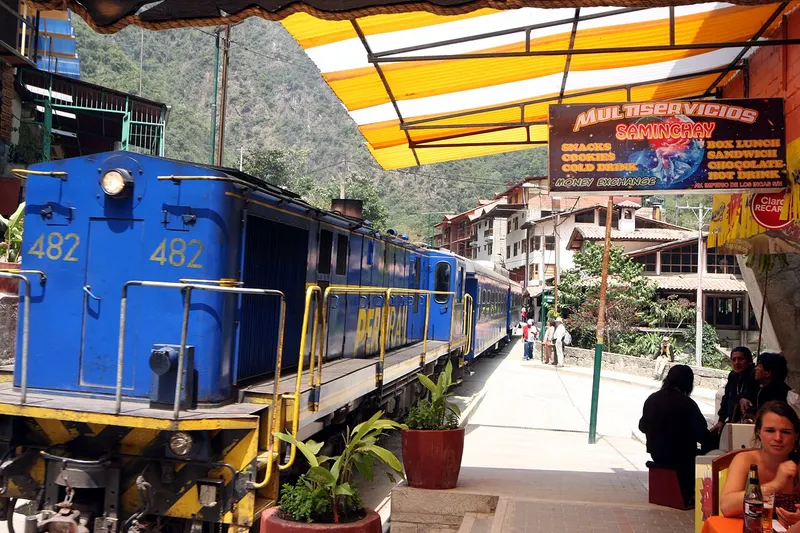
Aguas Calientes (Machu Picchu Pueblo): The Complete Guide
Aguas Calientes — officially Machu Picchu Pueblo — the cloud-forest town at the foot of the citadel. Where to sleep, how the trains and buses connect, the food, the hot springs, luggage, and how long to stay for a calmer entry.
Read guideMore in Highlights
6
Around the Site: Machu Picchu Up Close
The hub for the world immediately around the citadel — what to see inside it, the town of Aguas Calientes below, where to stay, the first buses up, the hot springs, the restaurants, and how to visit responsibly.
Read guide
Budget hotels for Machu Picchu
Better-value places to sleep along the Machu Picchu route — honest guesthouses and well-run hostels in Cusco, Ollantaytambo and Aguas Calientes — chosen to stretch the trip without wrecking the altitude ladder or the citadel-morning logistics.
Read guide
Luxury hotels for Machu Picchu
The top-end stays that string together a polished Machu Picchu journey — restored monasteries and oxygen-equipped suites in Cusco, hacienda-and-spa retreats in the Sacred Valley, and the one true luxury option at the gate of the citadel itself.
Read guide
Machu Picchu Highlights: What You'll See
The set pieces inside the citadel — the Guardhouse overlook, the Temple of the Sun, the Intihuatana, the Sacred Rock, the Sun Gate and the Inca Bridge — and which circuit and route reaches each one.
Read guide
Machu Picchu History: The Story in the Stone
Who built Machu Picchu and why, the engineering that holds a city to a ridge, the centuries of quiet, Hiram Bingham's 1911 arrival, and the UNESCO status that shapes how we visit today.
Read guide
Machu Picchu Site Guide: Circuit by Circuit
How to read and walk the citadel under the post-2024 system — the three circuits, the landmarks each one reaches, the photo points, the order you move, and how to pace a one-way visit at altitude.
Read guide