
Rainy Day in Cusco
When the afternoon downpour rolls in — museums and the gilded Qorikancha, warm cafés and hot chocolate, covered markets, and a cooking class to turn weather into a highlight.

Photo: Sven Träger / Unsplash
- ✓Cusco's wet season (roughly October–April) brings predictable afternoon rain — mornings often stay clear, so plan the indoors for later in the day.
- ✓The Qorikancha (Coricancha) sun temple, the cathedral and the city's museums make a rich, low-effort wet-afternoon circuit that doubles as gentle acclimatization.
- ✓Cusco's café culture is made for rain — coca tea, Andean hot chocolate and a long table by a window.
- ✓Turn a washout into a highlight with a covered market wander or a hands-on Peruvian cooking class.
When the rain comes — and why it's no disaster
Cusco doesn't have four seasons; it has a dry one and a wet one. The wet season runs roughly October to April, and its signature is not endless grey but the afternoon downpour: clear, bright mornings that cloud over and let go in a warm, heavy shower later in the day, often easing by evening. That rhythm is a gift for planning — do the open-air sights and the train logistics in the morning, and keep a pocketful of indoor ideas for when the sky opens.
A rainy afternoon also happens to be the perfect altitude excuse. On your first day or two in Cusco at 3,399 m, you want to be moving gently anyway, and there is no better cover for a slow, warm, indoor afternoon than a sheet of Andean rain on the cobbles. The city is small and walkable, so you're never more than a few minutes' dash from the next doorway, café or museum.

The Qorikancha and the great indoor sights
Start with the Qorikancha — the Coricancha — the Inca empire's most sacred temple, once sheathed in gold and dedicated to the sun. The Spanish built the church and convent of Santo Domingo directly on top of it, and the result is one of the most extraordinary sights in the Andes: flawless Inca stonework, its great curved wall still standing, fused into colonial cloisters. It is largely under cover, deeply atmospheric in the rain, and a short, low-effort visit — ideal for a wet afternoon and for a body still adjusting to altitude.
From there, the Plaza de Armas cathedral is a vast, dim, treasure-filled interior you can lose an hour in, and Cusco's museums fill the rest beautifully. The Museo de Arte Precolombino (MAP) gathers exquisite pre-Columbian pieces in a handsome courtyard mansion; the Inka Museum lays out the empire's story; and the city has smaller museums of religious art and history scattered through the centre. Many sit inside the boleto turístico tourist ticket, so check what your ticket already covers before paying again. Confirm current opening hours and any closures locally, as these change.
- Qorikancha / Coricancha — Inca sun temple beneath Santo Domingo; under cover and unmissable.
- The cathedral on the Plaza de Armas — a vast, art-filled interior to wait out a shower in.
- Museo de Arte Precolombino (MAP), the Inka Museum, and smaller religious-art and history museums.
- Check the boleto turístico — several sights are bundled into the regional tourist ticket.

Cafés, hot chocolate and the warm wait-it-out hour
Cusco's café culture was practically invented for rain. Tuck into a window table with a pot of coca tea, an emoliente, or — the wet-afternoon classic — a thick Andean hot chocolate made from local cacao, and watch the downpour turn the cobbles to mirror. The streets around the Plaza de Armas and up into San Blas are dense with welcoming cafés, many with fireplaces, woollen blankets and the kind of slow service that suits an hour you have nowhere better to be.
This is also the moment for a long, unhurried lunch. Cusco's restaurants run the full range from cheap set-menu menús to the celebrated kitchens reinventing Andean ingredients, and a rainy day is the natural excuse to linger over several courses rather than racing back outside. Pair the warmth with hydration — the altitude means you should keep drinking water and tea regardless of the weather.
Markets under cover
Rain is the ideal time for the San Pedro market, Cusco's great covered hall of food, juice stalls, bread, cheese, textiles and souvenirs. Under its roof you can wander for an hour out of the weather — sampling fruit you've never seen, watching the juice ladies build a glassful, and picking up an alpaca scarf for the cold Cusco nights. It's sensory, sheltered and free to browse, the definition of a good wet-afternoon hour.
Beyond San Pedro, the lanes of San Blas hide artisan workshops and small galleries where you can shop, watch weavers and silversmiths work, and stay mostly under awnings and doorways between dashes. If you're collecting textiles or souvenirs for home, a rainy afternoon is precisely when to do it — you're indoors anyway, and the browsing slows you down in exactly the way the altitude wants.

A cooking class — turning weather into a highlight
If you want a rainy afternoon to become the day you remember, book a Peruvian cooking class. Cusco has plenty, and the format is made for bad weather: a market visit to choose ingredients, a sheltered kitchen, and a couple of hours learning to make ceviche, lomo saltado or the pisco sour that has launched a thousand holiday memories — then sitting down to eat what you've cooked. It's hands-on, warm, social and entirely indoors once the shopping is done.
It's also a smart altitude-friendly activity: you're standing and chatting, not climbing, and you finish with a meal and a skill to take home. Classes book up, especially in the busier months, so reserve a day or two ahead rather than relying on a same-day slot when the rain arrives.
At a glance — Cusco when it rains
The wet-afternoon playbook in one place. Opening hours and ticket coverage change, so confirm locally.
- Season: wet roughly October–April; clear mornings, afternoon showers — do open-air sights early.
- Sights: the Qorikancha sun temple, the cathedral, and museums (MAP, Inka Museum) — mostly under cover.
- Warmth: café window tables, coca tea, Andean hot chocolate, and a long, lingering lunch.
- Markets: the covered San Pedro hall and the San Blas workshops for sheltered browsing.
- Highlight: a hands-on Peruvian cooking class — book a day or two ahead.
- Bonus: a slow indoor afternoon doubles as gentle altitude acclimatization in your first days.
Reading Cusco's weather, and timing the day
Cusco's rainy season runs roughly from November to March, with the wettest months around January and February, and a shoulder of showers either side in October and April. The pattern is forgiving if you understand it: mornings are often bright and clear, with rain building into afternoon and evening downpours. That single fact should shape every wet-season day — front-load the open-air sights. See Sacsayhuamán, the Plaza de Armas and any walking you want to do in the clear morning hours, then retreat indoors as the clouds gather after lunch. Trying to do it the other way round is how people end up soaked at a hilltop ruin while the museums sit empty.
Come prepared and the rain becomes a non-issue rather than a trip-wrecker. A compact travel umbrella and a packable waterproof jacket live in your daypack; the cheap plastic ponchos sold on every corner are a fine backup. Cusco's streets are steep, uneven and cobbled, and they grow slick in the wet, so shoes with grip matter more here than the weather alone suggests. And because the rains coincide with the green low season, you'll often have the indoor sights — the churches, the museums, the covered market — far quieter than a dry-season visitor ever would.
- Rainy season ~November–March; wettest in January–February, with showers in October and April.
- Mornings tend to be clear, afternoons wet — do open-air sights early and head indoors after lunch.
- Carry an umbrella, a packable rain jacket and grippy shoes for slick, steep cobbles.
- The wet low season means quieter churches, museums and markets.



Related guides

Qorikancha: Cusco's Golden Sun Temple
The Inca empire's holiest sanctuary, sheathed in gold and now half-buried under the colonial church of Santo Domingo. What to see, how to read the stonework, and why it decodes Machu Picchu before you ever board the train.
Read guide
Best Cafés in Cusco
Where to take coffee, breakfast and a gentle acclimatization morning in Cusco — the plaza spots, the San Blas hideaways and the quieter local lanes, mapped for couples easing into the altitude.
Read guide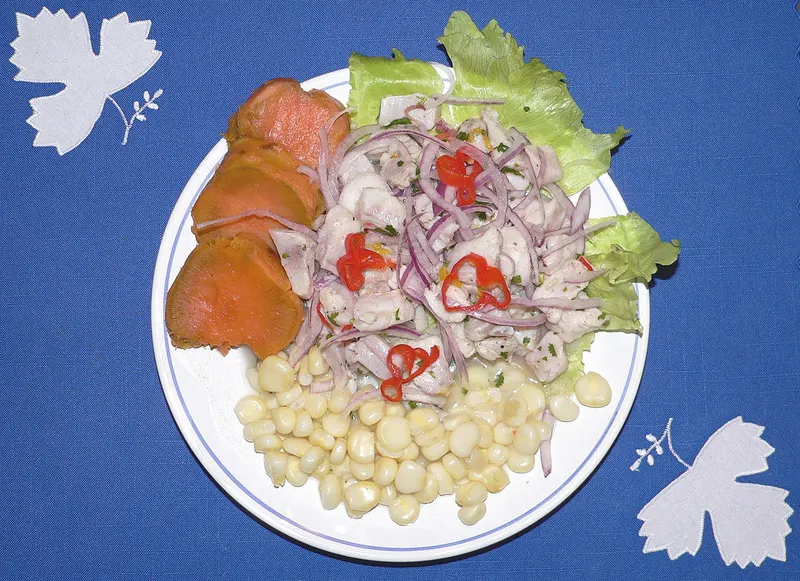
Cusco Cooking Classes
Market tours, hands-on cooking classes, pisco sour workshops and cacao experiences in Cusco — gentle, low-altitude-friendly activities to fill an acclimatization day before Machu Picchu.
Read guideMore in Cusco Base
6
Best hotels in Cusco
How to choose well among Cusco's hotels for a Machu Picchu trip — judged not on stars alone but on altitude comfort, location and walkability, character, family fit, and how cleanly they set up the onward journey to the citadel.
Read guide
Boleto Turístico del Cusco
How the COSITUC Boleto Turístico works — the combined pass that covers Sacsayhuamán, Pisac, Ollantaytambo, Moray, the Maras–style sites and a clutch of Cusco museums — and when it's actually worth buying.
Read guide
Budget hotels in Cusco
How to sleep well in Cusco for less before Machu Picchu — value hotels, guesthouses and hostels, where the cheaper rooms cluster, and the few things never to scrimp on at 3,399 m.
Read guide
Cusco & Machu Picchu Costs
A realistic way to think about the money — the fixed citadel ticket, the train that dominates the budget, buses, guides, food and the trek add-ons — and where the costs hide.
Read guide
Cusco acclimatization & altitude
How to land soft in Cusco at 3,399 m: reading soroche, pacing your first day, what to eat and drink, the easy activities that help, and when to simply rest before Machu Picchu.
Read guide
Cusco Cathedral: The Plaza de Armas Centrepiece
The great colonial cathedral on Cusco's Plaza de Armas — built on Inca foundations, hung with Cusco School paintings, and home to the famous guinea-pig Last Supper. Tickets, art, dress code and how it fits a first acclimatizing day.
Read guide