
Aguas Calientes hot springs
The thermal baths that give Aguas Calientes its name — what to expect, when to go, what to bring, and whether they're worth a soak before or after the citadel or a long trek.
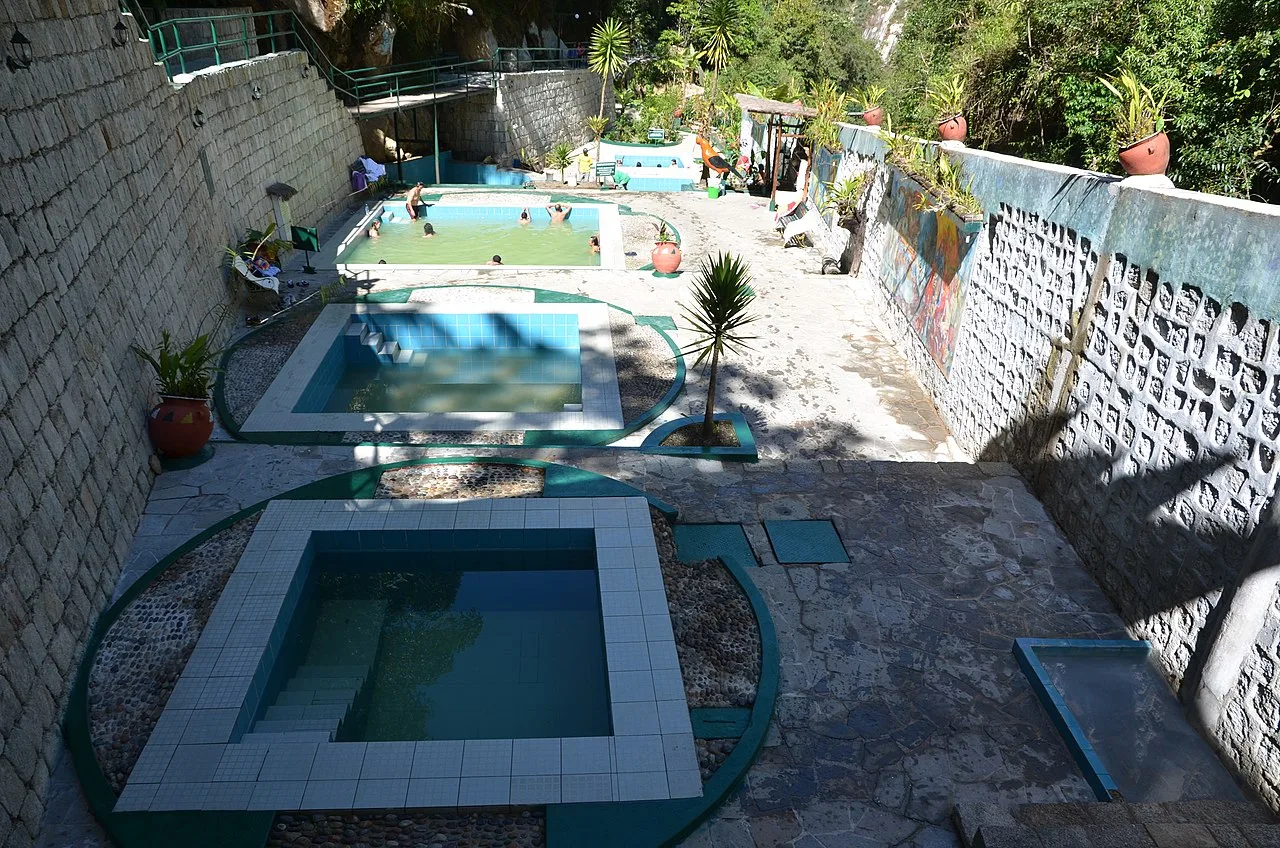
Photo: Pavel Špindler / Wikimedia Commons · CC BY 3.0
- ✓The town's hot springs are the literal source of its name — 'Aguas Calientes' means 'hot waters' — a cluster of warm, mineral pools at the top of the main street.
- ✓They are modest terraced pools, not a polished spa: tepid-to-warm, a little rustic, and best enjoyed for what they are.
- ✓The classic move is a soak after the citadel or the end of a multi-day trek, when tired legs most appreciate the warmth.
- ✓Bring your own towel, swimwear and flip-flops, and a small note for the entrance fee and locker; you can rent towels and costumes nearby if needed.
The hot waters that named the town
Before it was the gateway to Machu Picchu, the cloud-forest town at the foot of the mountain was simply the place with the warm springs. The name says so plainly: Aguas Calientes — 'hot waters'. (Its official name is now Machu Picchu Pueblo, but everyone, including most signs, still calls it Aguas Calientes, and the springs are the reason.) At the very top of the main street, where the town runs out and the gorge wall rises sheer above, a short uphill path leads to a set of terraced pools fed by natural thermal water seeping warm from the mountain. People have soaked here long before the trains and the ticket queues.
Set your expectations gently and you'll enjoy them. These are not the sculpted infinity pools of a luxury spa — they are rustic, communal, slightly worn at the edges, and the water ranges from pleasantly warm to merely tepid depending on the pool and the day. What they offer instead is atmosphere and relief: steam rising into the cool mountain air, the river audible below, and the particular bliss of lowering aching legs into warm water after a dawn on the citadel or the final descent off a four-day trek. Read this way, the springs are one of the loveliest cheap pleasures on the whole route.
At a glance
The practical shape before the questions. The entrance fee, opening hours and pool conditions are set locally and change — and the pools have been closed for repairs at times after flood damage — so confirm they're open and check current details on the spot.
- What: natural thermal pools (Baños Termales) at the top of town, the source of the name 'Aguas Calientes'.
- Where: a short walk uphill at the end of Avenida Pachacútec, the main street.
- Vibe: rustic, communal terraced pools — warm to tepid, not a polished spa.
- Bring: swimwear, a towel, flip-flops, and a small amount of cash for entry and a locker.
- Rentals: towels and swimsuits can usually be hired from shops near the entrance if you've none.
- Best for: a post-citadel or post-trek soak; tired legs feel it most.
What are the hot springs actually like?
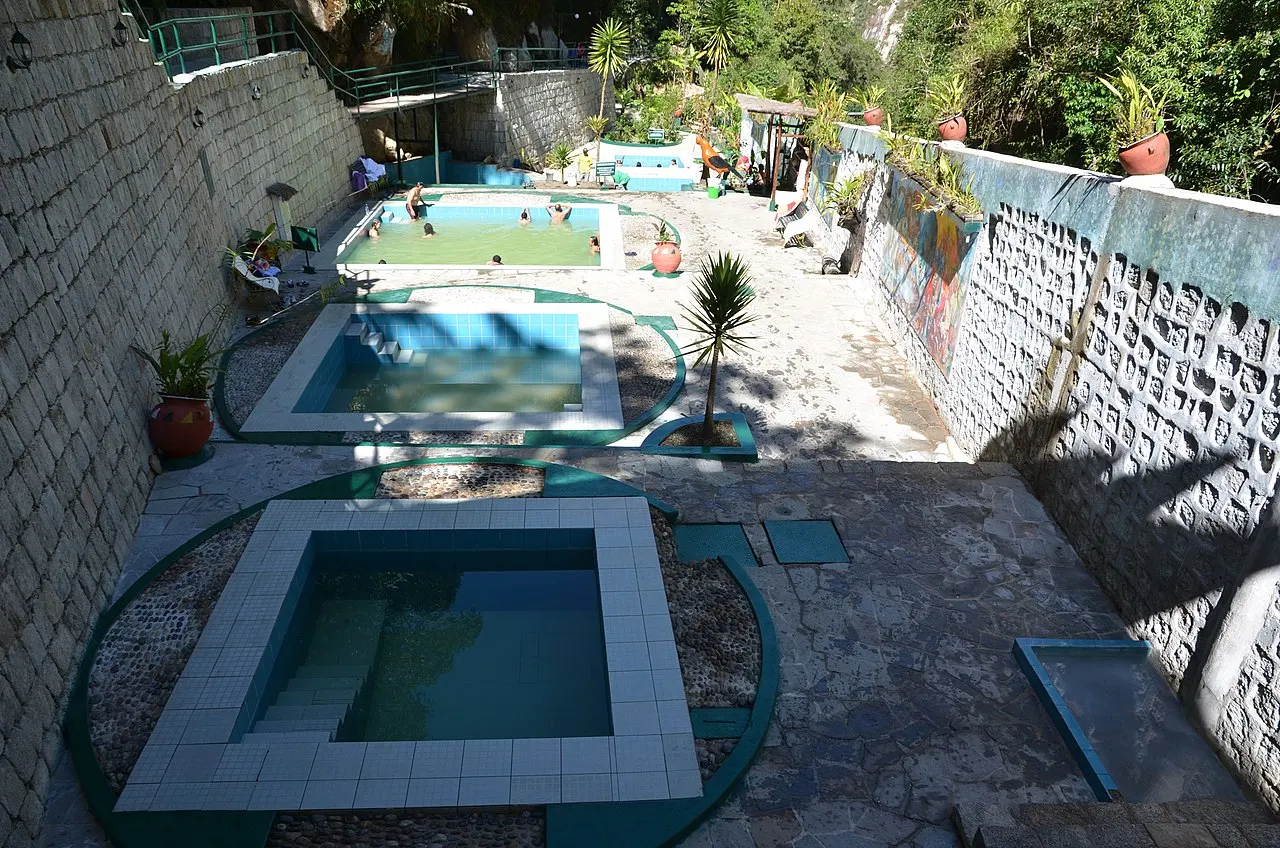
A cluster of stone-and-tile pools stepped into the hillside, fed by warm mineral water that surfaces naturally here. The largest pools tend to be the warmest and the busiest; smaller ones can be cooler. The water carries a faint mineral tint and smell — that's normal for thermal springs — and the surroundings are unfussy: changing rooms, lockers, a few benches, the green wall of the gorge rising on every side. In the late afternoon and evening the light softens, steam catches it, and the place takes on a quiet, almost ceremonial calm as soakers settle in after their day.
Honesty helps here, because the springs divide opinion. Travellers arriving with spa expectations sometimes find them underwhelming — a bit tepid, a bit crowded, a bit basic. Travellers who arrive tired, cold and unhurried tend to love them. The truth is they're a humble local bathhouse with a spectacular setting, and the experience you have depends largely on the frame you bring and the state of your legs.
How do they compare with Cocalmayo, the other thermal soak on the Machu Picchu route? If you've come the budget back door through Santa Teresa, you'll have met — or will meet — the Cocalmayo pools by the Vilcanota river, and the two make an easy contrast. The Aguas Calientes baths are the more developed and more crowded of the pair, terraced into the top of a busy town a short walk from your bed. Cocalmayo is open-air and greener, set among rock and forest by the river a ride out of Santa Teresa, with pools at different temperatures fed by genuinely hot mineral water — many travellers rate it the warmer, calmer soak. In practice which one you end up in is decided by your route rather than a preference: Aguas Calientes if you arrive by train, Cocalmayo if you come the Hidroeléctrica way.

When is the best time to go?
Timing comes down to crowds and to your own schedule. The springs are busiest in the late afternoon and early evening, when the day's visitors have come down from the citadel and trekkers have rolled into town — which is also, conveniently, exactly when a warm soak feels best. If you want quiet over warmth-of-welcome, the quietest stretches tend to be earlier in the day before the citadel crowds return; but morning is when most people are up the mountain, so for most itineraries the springs are an evening reward rather than a morning event.
Slot them into the trip where they do the most good. The two classic moments are: the evening after you've visited the citadel and before you take the train out the next morning; or the very end of a multi-day trek — Salkantay, the Inca Trail, Lares — when you've reached Aguas Calientes and your body is begging for warm water. Trekkers in particular treat the springs as the traditional full stop to the walk, and it's a fitting one. If you're only in town for a tight turnaround, weigh the soak against sleep — both are precious before a dawn start.
What should I bring?
Pack as you would for any public pool, plus a little cash. You'll want swimwear (worn under your clothes saves fumbling in the basic changing rooms), a towel, flip-flops or sandals for the wet stone, and a small dry bag or plastic bag for your damp things afterwards. Bring a little local cash for the entrance fee and for a locker to stash valuables, as well as for a towel or swimsuit rental if you've travelled light or come straight off a trek without one. Shops right by the entrance hire out costumes and towels, so a missing item isn't a dealbreaker.
A few small comforts make a difference. A bottle of water — you'll dehydrate in warm water at altitude — and something warm to put on for the walk back down into the cool night air. Leave anything you'd hate to lose at your hotel rather than in a locker. And keep it simple on the cosmetics: this is mineral spring water shared by many, so rinse off rather than treating it as a private bath.
- Essentials: swimwear, towel, flip-flops, a dry bag for wet kit.
- Cash: for entry, a locker, and a towel/swimsuit rental if needed.
- Comforts: drinking water, and warm dry clothes for the walk back.
- Leave high-value items at your accommodation rather than in a locker.
Are the hot springs worth it?
For most people, yes — provided the expectations are right and the timing is good. They are cheap, they are a two-minute walk from the middle of town, and after a day of stone steps at altitude or a long trek, the simple act of sinking into warm water under the gorge walls is genuinely restorative. As a low-key, end-of-day pleasure they punch well above their rustic looks. The travellers who come away disappointed are almost always the ones who expected a spa or who turned up at the most crowded hour with cold-weather expectations of hot water.
Skip them, or keep them optional, if you're squeezed for time before a dawn departure, if crowds in shared water aren't your thing, or if you simply prefer to spend a precious Aguas Calientes evening eating and sleeping before the citadel. They're a lovely addition to a relaxed schedule rather than a must-do you should rearrange the trip around. One practical caveat worth repeating: the pools have been damaged and closed for repair after flooding in the past, so it's wise to confirm they're open before you build an evening around them.
Etiquette, safety and the small print
Treat the baths as the shared, slightly old-fashioned bathhouse they are and you'll have no trouble. Shower or rinse before getting in, as the signs ask; keep noise and horseplay down, especially in the evening when the pools fill with weary trekkers and the mood is restful; and watch your footing on the wet, sometimes slippery stone underfoot. The changing facilities are basic, so don't expect hairdryers or plush amenities — come ready to change quickly and dry off in your own towel.
A couple of practical cautions worth holding in mind. Soaking in warm water at altitude, after a long day of exertion, can leave you light-headed, so stay hydrated, don't overdo the time in the hottest pool, and stand up slowly. Don't soak immediately after a big meal or any alcohol. And remember the structural caveat that recurs through this guide: these pools sit in a flood-prone gorge and have been closed for repair after past flooding, so an open-and-running status is never quite guaranteed — a quick check with your hotel before you head up saves a wasted walk.
Finally, keep your expectations of cleanliness calibrated to a busy public spring rather than a private hotel pool. The water is shared, the turnover is high, and the experience is communal by nature. None of that should put you off — it's simply the character of the place. People have been bathing in these warm waters for generations, and joining them, towel over your shoulder, as the steam rises into the cold mountain dark, is one of the gentlest and most human pleasures the town has to offer.
- Rinse before entering and keep the evening mood calm and quiet.
- Mind your footing on wet stone, and stand up slowly — warm water at altitude can make you light-headed.
- Stay hydrated; avoid soaking straight after a big meal or alcohol.
- Check the pools are open before heading up — flood repairs have closed them in the past.
Frequently asked questions
The quick answers travellers most often want before they go.
- Where are they? At the top of Avenida Pachacútec, the main street — a short, signposted uphill walk from the centre of Aguas Calientes.
- How hot is the water? Warm to tepid, varying by pool and day — comfortable rather than scalding. The biggest pools tend to be warmest.
- Do I need to book? No — you pay an entrance fee at the gate. Just confirm they're open, as flood repairs have closed them before.
- Can I rent a towel or swimsuit? Usually yes, from shops near the entrance — handy if you've come straight off a trek.
- Are they clean? They're a busy communal bathhouse, not a private spa — fine for a relaxed soak with the right expectations.
- Best for couples or solo? Both — it's a sociable, low-key spot; quieter earlier in the day, livelier in the evening.


Related guides
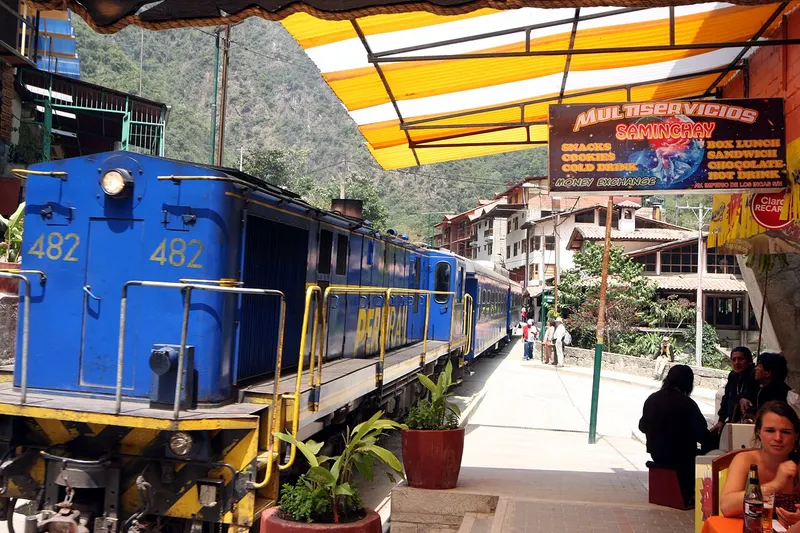
Aguas Calientes (Machu Picchu Pueblo): The Complete Guide
Aguas Calientes — officially Machu Picchu Pueblo — the cloud-forest town at the foot of the citadel. Where to sleep, how the trains and buses connect, the food, the hot springs, luggage, and how long to stay for a calmer entry.
Read guide
The Salkantay Trek to Machu Picchu
The Salkantay — the most popular permit-free alternative to the Inca Trail. Its route under a glaciered peak, the Humantay Lake detour, altitude and season, lodges versus camping, and how it differs from the classic trail.
Read guide
A Rainy Day at Machu Picchu
Rain at the citadel is normal, not a disaster — how to dress for cloud forest, which circuits cope best, how to build train buffers, the Aguas Calientes backups, and why mist makes the most haunting photographs of all.
Read guideMore in Around the Site
6
Aguas Calientes restaurants
Where and how to eat in the town below Machu Picchu — the early breakfast that makes a dawn entry possible, the warm lunch on the way down, the celebratory dinner, and how to time meals around late trains.
Read guideBelmond Sanctuary Lodge
The only hotel beside the Machu Picchu entrance gate — who should splurge on it, what its location genuinely buys you, and the things it does not solve. An honest look at the citadel's most coveted address.
Read guide
Best hotels in Aguas Calientes
How to choose well among the hotels of the town below Machu Picchu — judged not on stars alone but on bus-queue and station proximity, river views, family fit, early breakfasts, luxury and value, and how cleanly each one sets up the citadel morning.
Read guide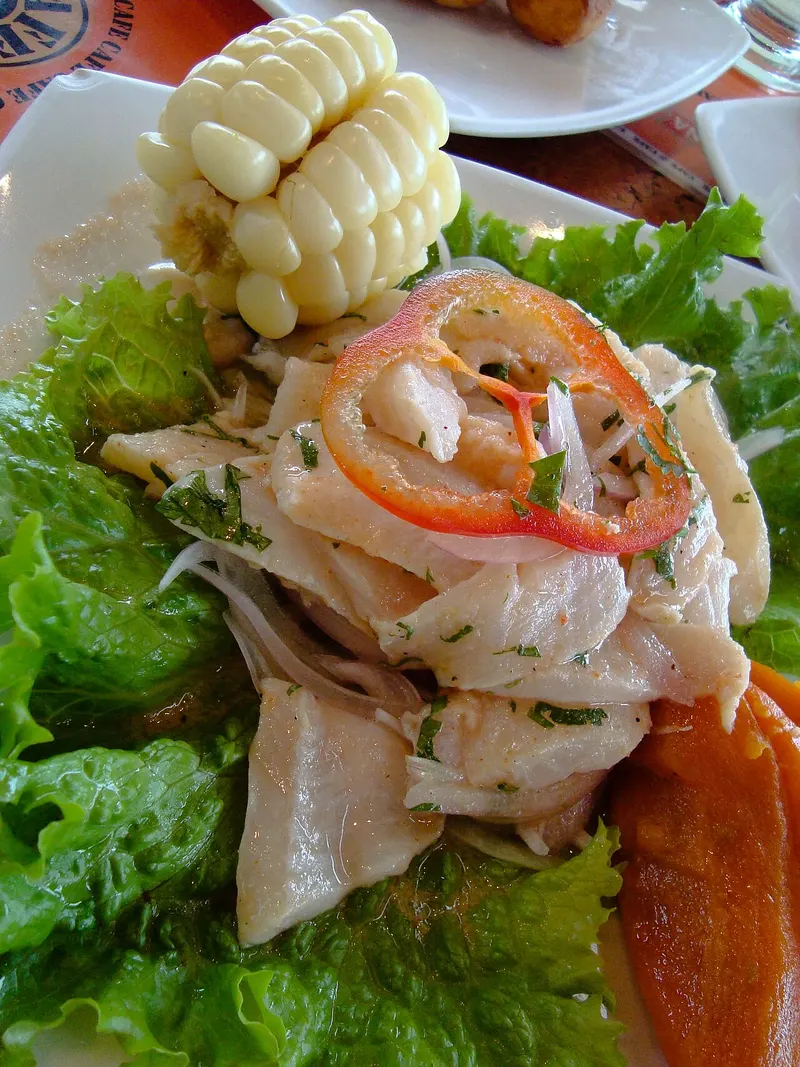
Budget food in Aguas Calientes
How to eat well for less in Aguas Calientes (Machu Picchu Pueblo) — bakeries and set menús, market snacks, an early breakfast before the bus, and where the captive-market markups hide.
Read guide
Budget hotels in Aguas Calientes
How to sleep cheaply in the town below Machu Picchu without missing a train, a bus or your early entry — what a good budget room needs to get right, where the value sits, and the traps to dodge.
Read guide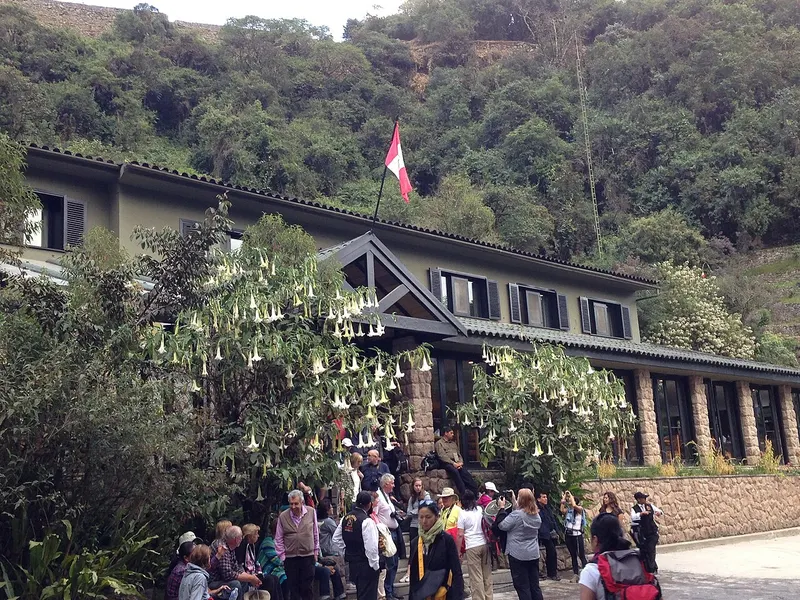
First-bus strategy
How the dawn shuttle-bus queue in Aguas Calientes really works, when catching the first bus is worth it, and how to match your effort to your timed entry slot without unnecessary pre-dawn stress.
Read guide