 Cusco Base
Cusco: Your Base for Machu Picchu
The Inca capital at 3,399 m, where you acclimatize before climbing anything — where to sleep, which gentle sights to see first, how to pace your altitude days, and how to move on to the valley and the citadel when your body is ready.

Photo: Sophia Simoes / Unsplash
- ✓Cusco (about 3,399 m) sits roughly 970 m higher than Machu Picchu itself, so the first day here is the hardest your lungs will work all trip.
- ✓Almost every Machu Picchu journey begins and ends in Cusco — it is the airport, the acclimatization stop and the place you return to before flying home.
- ✓Give the city two unhurried nights before you climb anything; the slow first day is not lost time, it is the insurance the rest of the trip rests on.
- ✓Stay near the centre for your first nights so a headache or a slow morning never means a long, breathless walk uphill.
- ✓The Boleto Turístico bundles many of the city and valley sites into one ticket — worth understanding before you pay at any single gate.
Why Cusco, and the altitude paradox
Almost every traveller bound for Machu Picchu passes through Cusco, and most begin and end the trip here. It is the regional airport, the old Inca capital, and the natural place to gather yourself before and after the citadel — a city of carved colonial arcades built straight onto Inca stone, where the history you have come to see is already underfoot in the streets. But its first and most important job is quieter than any of that. Cusco is where your body learns to breathe the thin Andean air, and the days you spend doing nothing in particular here are the ones that make the rest of the trip comfortable.
Here is the paradox worth holding onto: Cusco, at roughly 3,399 m, is markedly higher than Machu Picchu, which sits around 2,430 m. The famous citadel is the low point of the classic loop, not the high one. That changes how you should think about the whole journey — you are not building up to the altitude at the end, you are weathering it at the start, in the city, and then largely coming down as you head toward the gate. Get your acclimatization right in Cusco and the climb itself feels gentler than the guidebook photographs suggest.
- Cusco (about 3,399 m) is your high point; Machu Picchu (about 2,430 m) is nearly 1,000 m lower.
- It is the airport, the staging post and the place you return to before flying home.
- The thin air is felt most in the first 24–48 hours, then steadily eases.
- Treat the slow first day as part of the plan, not a delay to it.


Acclimatization & pacing your first days
The single best thing you can do in Cusco is slow down. Altitude is not a test of fitness; strong, healthy travellers feel it just as readily as anyone else, and pushing hard early is the surest way to a thumping head and a sleepless night. Plan a genuinely easy arrival day — a short stroll, a slow lunch, an early night — and let the second day be only a little busier. Drink far more water than feels natural, eat lightly, lay off alcohol for the first day or two, and walk everywhere at half your usual pace. The local remedy, coca tea, is offered everywhere and does no harm; it is not a cure, but the ritual of sitting with a warm cup is itself part of slowing down.
Most travellers want at least two nights in Cusco before they climb, and that buffer pays you back many times over. If anyone in your group has a history of altitude trouble, mention it to a pharmacist or doctor before you travel — preventative medication exists and is commonly used — and know the difference between ordinary, fading symptoms and the warning signs that mean descend. None of this is reason for anxiety; it is simply the price of a city this high, and it is a price most people pay easily once they stop rushing.
- Keep arrival day deliberately gentle — short walk, slow lunch, early night.
- Hydrate hard, eat lightly, and skip alcohol for the first day or two.
- Walk slowly; altitude is unrelated to fitness, so pacing matters more than stamina.
- Plan at least two nights before climbing; more if your group is altitude-sensitive.
- Discuss preventative medication with a doctor before you travel if you have a history.

Where to stay — neighbourhoods and tiers
For your first nights, location matters more than luxury, and the reason is altitude: a hotel a stiff uphill walk from anywhere is a small misery when you are short of breath. The area around the Plaza de Armas keeps you close to the cafés, the cathedral and the easy sights, with everything walkable on the flat. Just above it, the cobbled lanes of San Blas are the prettier, artier quarter — galleries, viewpoints and quiet courtyards — but they climb steeply, so they reward a second visit more than a jet-lagged first night. A little further out, residential streets are cheaper and calmer, though you will lean on short taxi rides.
On tiers, Cusco spans the full range. Budget guesthouses and hostels cluster near San Pedro market and up the slopes; comfortable mid-range hotels ring the centre; and a handful of converted-convent and colonial-mansion properties offer genuine luxury, several with piped oxygen in the rooms for the first restless nights. Families do well in the larger apartment-style stays with space to spread out. Prices swing hard with the season — dry-season months and festival weeks cost far more — so treat any figure as a starting point and verify current rates before booking.
- First nights: stay near the Plaza de Armas, flat and central, so a slow day is never a hard walk.
- San Blas is the loveliest quarter but climbs steeply — better once you have acclimatized.
- Budget beds gather around San Pedro market and the upper slopes.
- Some upper-tier hotels offer in-room oxygen for the first restless nights.
- Rates rise sharply in dry season and around festivals — verify before booking.


The gentle first-day sights
The pleasure of Cusco is that its finest sights ask very little of you, which makes them ideal for a body still finding its feet. The Plaza de Armas is the heart of it — a broad, arcaded square you can simply sit in, watching the city move, with the cathedral and the Jesuit church framing it. A few flat blocks away, Qorikancha shows the collision of two worlds in a single building: the Inca sun temple, its precision masonry still flawless, with a Spanish convent built directly on top. San Pedro market is a loud, generous, colour-soaked introduction to Andean produce, and it costs nothing to wander. None of these require a climb worth speaking of.
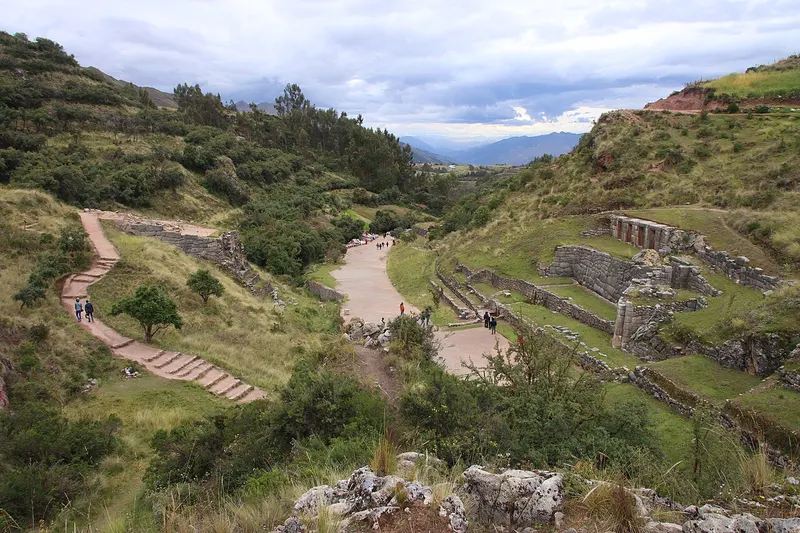
When you are ready for a little more, two gentle ascents reward the effort. Sacsayhuamán, the great zig-zag fortress of cyclopean stones above the city, is a short taxi ride up and a wonderful place to feel the scale of Inca building — go slowly and you will be fine. San Blas, the artisan quarter, climbs through narrow lanes to viewpoints over the rooftops; save it for a second day when the air feels easier. A relaxed guided city tour can knit several of these together at a sensible pace, which suits a first full day better than charging round alone.
- Plaza de Armas: flat, central and made for slow sitting — the easiest possible start.
- Qorikancha: the Inca sun temple beneath a colonial convent, a short level walk away.
- San Pedro market: free, vivid and a fine introduction to Andean food.
- Sacsayhuamán: a short ride uphill to the great fortress — take it slowly.
- San Blas: lovely but steep, so keep it for a second, easier day.


Food, cafés and where to sit
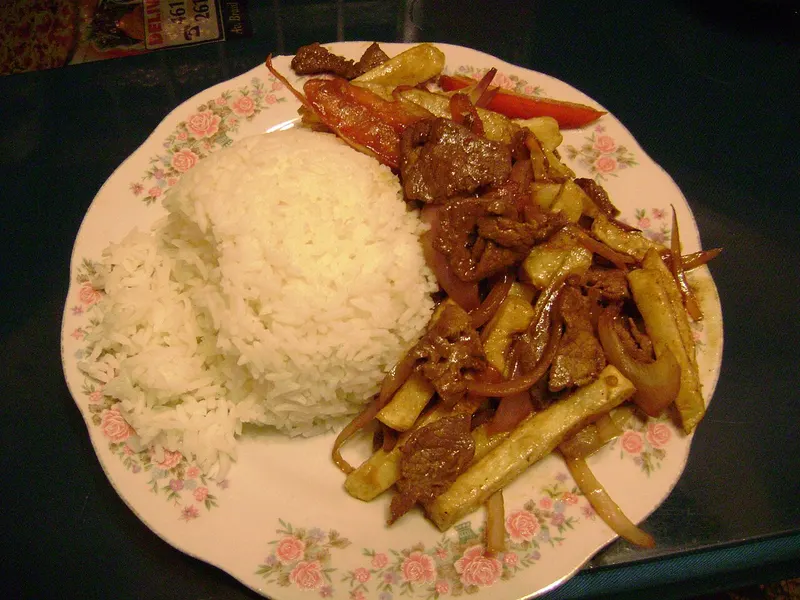
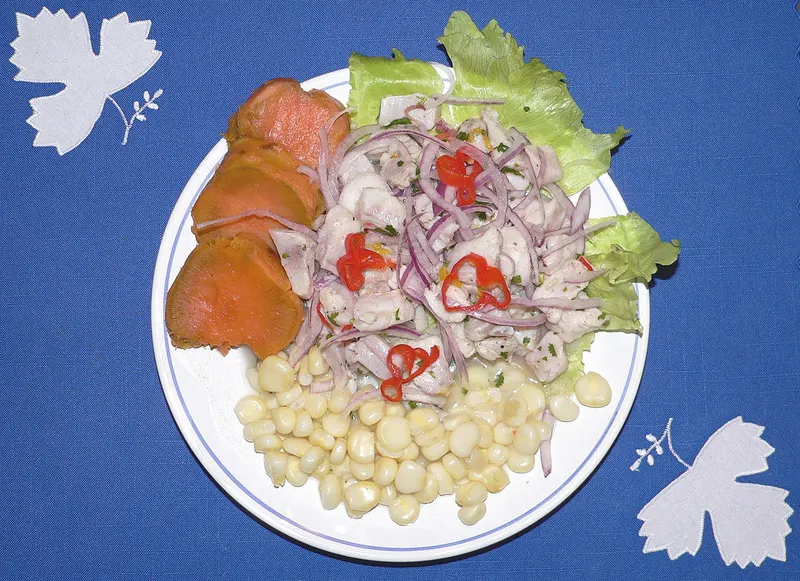
Cusco eats very well, and eating lightly here is no hardship. The food ranges from honest market stalls and family-run picanterías to a serious fine-dining scene built on Andean ingredients — quinoa, native potatoes, alpaca, river trout, and the lake-and-mountain produce that has fed this region for centuries. For your first day, lean toward soups and simple plates and go easy; rich food and altitude make uneasy companions. The cafés are part of the city's pleasure too: Cusco roasts and pours excellent coffee, and a warm corner with a window onto a cobbled lane is exactly the right place to spend an acclimatizing afternoon doing nothing in particular.
If you want to dig deeper, the city is generous with it. There are romantic balconied restaurants over the plaza for a special evening, hearty local spots a few streets back for a fraction of the price, and cooking classes that take you through the market first and the kitchen after — a good rainy-afternoon use of a slow day. As ever, treat menus and prices as moving targets, especially in the tourist-facing places around the square, and verify before you build an evening around a particular table.
- First-day eating: soups and simple plates, eaten lightly — rich food and altitude don't mix.
- The range runs from market stalls and picanterías to serious Andean fine dining.
- Cusco's coffee is genuinely good; a window seat is the right way to spend a slow afternoon.
- Cooking classes pair a market walk with a kitchen — ideal for a gentle or rainy day.

With kids, and on a rainy day
Cusco travels well with children, with the same caveat that governs everyone: the altitude. Keep the first day short and unstructured, let small bodies adjust, and treat the plaza, the market and a hot chocolate as a perfectly good day's plan. The open expanse of Sacsayhuamán is a hit with children once everyone has acclimatized — room to run, enormous stones to clamber near, and llamas grazing — and the city's flat centre means buggies and tired legs both cope. Larger apartment-style stays earn their keep with families, giving everyone space to retreat and rest between outings.
The wet season brings reliable afternoon rain, and a slow city like this absorbs it gracefully. Cusco has museums to duck into — Inca artefacts, colonial art, the story of the stones underfoot — alongside cafés, a covered market and cooking classes that turn a grey afternoon into the best part of the day. A rainy day in Cusco is rarely a wasted one; it pairs naturally with the kind of low-effort pacing acclimatization wants anyway.
- Keep children's first day short and loose while everyone adjusts to the height.
- Sacsayhuamán is a winner with kids once acclimatized — space, stones and llamas.
- The flat centre suits buggies and tired legs alike.
- Rainy afternoons suit museums, cafés and cooking classes — and the slow pace altitude wants.


Costs and the Boleto Turístico
Cusco is not an expensive city day to day, but the sights add up, and the way to manage that is the Boleto Turístico del Cusco — a single combined ticket that covers a long list of sites across the city and the Sacred Valley, including Sacsayhuamán and several valley ruins. Many of these places do not sell individual entry at the gate, so the boleto is less an optional saving than the standard way in; it comes in full and partial versions with different durations, which is worth understanding before you pay anywhere. A few headline sights, notably Qorikancha and the cathedral, sit outside it and charge separately.
On budgeting more broadly, Cusco sits at the affordable end for food and lodging, with the bigger costs of the trip — the train, the citadel ticket, longer transfers — waiting further down the line toward Machu Picchu. Plan the whole arc together rather than gate by gate, keep some cash for the markets and the smaller sites, and as always treat every price as changeable and verify the current figures before you commit.
- The Boleto Turístico bundles many city and valley sites into one ticket, in full and partial forms.
- Several covered sites sell no individual entry, so the boleto is effectively the way in.
- Qorikancha and the cathedral are charged separately, outside the boleto.
- Cusco is cheap day to day; the train and citadel ticket are the trip's bigger costs.
- Carry some cash for markets and smaller sites, and verify all prices before booking.
 Boleto Turístico del CuscoWhat the combined ticket covers, the full and partial versions, and what sits outside it.
 Cusco & Machu Picchu CostsBudgeting the whole arc, from the cheap city days to the train and citadel.
 Qorikancha sun templeOne of the sights charged separately, outside the Boleto Turístico.
Onward from Cusco to the valley and the citadel
When your body is ready, Cusco hands you off downhill. The classic and gentlest route drops first into the Sacred Valley — a thousand metres lower, warmer and kinder on the lungs — where you can sleep low and visit the terraces of Písac and the great fortress-town of Ollantaytambo, which is also where most trains to Machu Picchu actually begin. From there the railway threads down the gorge to Aguas Calientes at the foot of the mountain. It is possible to do the whole thing from Cusco in a single long day, but staging through the valley is the calmer, better-acclimatized way, and it turns the transfer into a destination in its own right.
Whichever way you go, the booking logic doesn't change: the timed-entry citadel ticket is the keystone, booked first, with the train and your beds arranged around it. Cusco is simply where that plan is assembled and where you return at the end, coming back up to its thin air for a final night before the flight home. Treat train times, transfer options and ticket rules as the most changeable parts of all, and verify them directly before you lock anything in.
- The gentlest route descends into the Sacred Valley first, sleeping low before the citadel.
- Most Machu Picchu trains depart from Ollantaytambo in the valley, not Cusco itself.
- A single long day from Cusco is possible but harder than staging through the valley.
- Book the timed-entry citadel ticket first, then the train, then the beds.
- Verify train times, transfers and ticket rules directly — they move the most.


Cusco at a glance
If you remember only a handful of things about Cusco, make them these. It is high — higher than the citadel you have come to see — so the work your body does here is the work that makes everything afterward easy. Give it time, stay central for the first nights, keep the early days gentle, and let the city's slow pleasures fill the hours while you adjust. Altitudes are evergreen; tickets, trains, prices and opening rules all move, so verify those directly before you book.
- Cusco is about 3,399 m — nearly 1,000 m higher than Machu Picchu, and the trip's high point.
- Plan at least two unhurried nights before you climb anything.
- Stay near the Plaza de Armas for your first nights; save steep San Blas for later.
- Lean on the flat, easy sights first — plaza, Qorikancha, market — and add Sacsayhuamán slowly.
- Understand the Boleto Turístico before you pay at any gate.
- Descend through the Sacred Valley toward the citadel, then return to Cusco before flying home.