
Machu Picchu Photography Itinerary
A photographer's Machu Picchu plan: the circuit and route that reach the classic frame, the light and weather windows worth chasing, what gear the site rules allow, and the Sacred Valley photo stops that bookend the citadel.

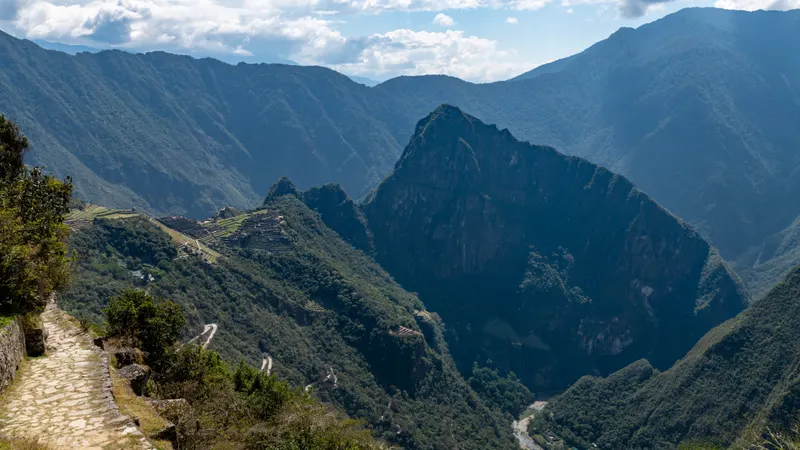
Photo: Curioso Photography / Unsplash
- ✓The classic frame lives on the upper panoramic path near the Guardhouse — so your circuit and route choice, not your camera, decides whether you get the postcard.
- ✓Light is everything and weather is fickle: dry season (May–September) gives the clearest skies, but cloud lifting off the saddle in the wet season can make the most dramatic images of all — build in a buffer to chase a second window.
- ✓Site rules restrict tripods and ban drones inside the citadel, so plan for handheld shooting and verify the current gear rules before you go.
- ✓Don't shoot only the citadel: the Sacred Valley's terraces, salt pans and Inca towns are world-class subjects in their own right and warm up your eye on the way in.
Plan for light and access, not just the camera
Machu Picchu is one of the most photographed places on earth, and that is exactly the problem for a photographer: it is easy to come home with the same flat, mid-morning, washed-out frame as everyone else. The images that sing depend on three things you control long before you raise the camera — the route you walk, the hour you're there, and the weather you're handed — and only one thing you carry. Plan the first three and the citadel does the rest; plan only your gear and you'll fight the place the whole time.
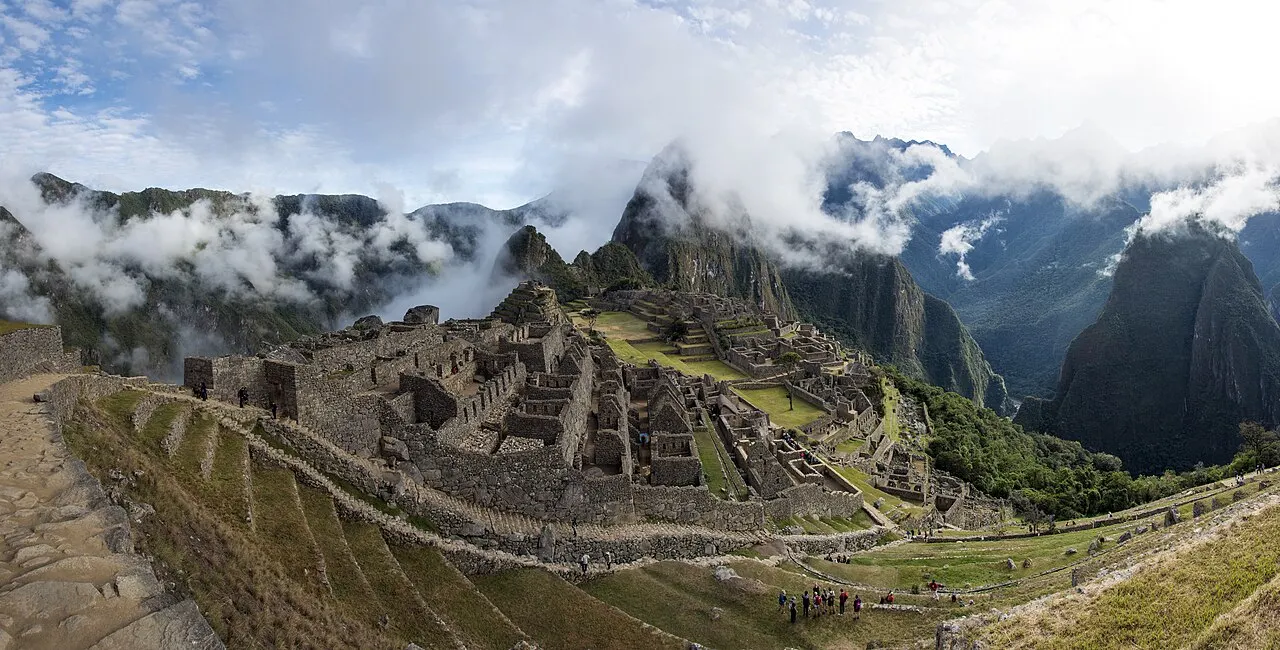
The single most important realisation is that the famous postcard view is not available from everywhere. Since the 2024 reorganisation, Machu Picchu runs on timed-entry tickets tied to specific circuits and numbered routes, and the classic elevated frame — citadel below, Huayna Picchu rising behind — lives on the upper panoramic path near the Guardhouse, reached only by certain routes. Choose the wrong circuit and you simply never stand where the postcard is taken, no matter how good your lens. So for a photographer, picking the right circuit is the first and most consequential decision of the whole trip.
This itinerary is shorter and more focused than the others on the site, because a photography trip is really an exercise in stacking the odds: the right route for the frame, the right hours for the light, and a buffer day so a single cloudy morning isn't the whole story. Get those lined up and you give yourself the best possible chance at the image you came for.

At a glance — the photo plan
The shape of the trip before you commit. Altitudes are stable; ticket circuits, gear rules, opening hours and weather all move, so verify the current circuit/route details and the official site's camera and tripod policy directly before you travel.
- Frame: the classic overlook sits on the upper panoramic path near the Guardhouse — book a circuit/route that reaches it.
- Light: an early slot for soft side-light and lifting cloud; a later one can catch the citadel emerging as mist burns off.
- Season: dry season (May–September) for the clearest skies; wet-season cloud can be more dramatic but riskier.
- Buffer: give yourself two citadel mornings if you can, so one bad-weather day doesn't end the trip.
- Gear: plan for handheld — tripods are restricted and drones are banned inside the citadel. Verify current rules.
- Bookend it: shoot the Sacred Valley's terraces, salt pans and Inca towns on the way in and out.

Choosing the circuit and the slot for the frame you want
Start with the image in your head and work backwards to the ticket. If you want the classic elevated postcard, you need a circuit and route that climb the upper panoramic path past the Guardhouse, where the whole citadel falls away below you with Huayna Picchu behind — the frame nearly every famous Machu Picchu photograph is made from. If your dream is instead the trekker's reveal from the Sun Gate (Inti Punku), or the vertiginous angle from the Inca Bridge, or a close, graphic study of stonework in the urban sector, the route that serves each is different. Decide the shot, then book the route that physically stands you there.
Then the time slot. There is no single 'golden hour' that beats all others here, because the citadel sits in a deep valley and the surrounding peaks shape when and how light arrives — direct early sun can take a while to crest the mountains. An early entry rewards you with soft, low side-light raking across the terraces and the best chance of cloud theatrically lifting off the saddle, but it can also mean shooting into thick mist that never clears. A mid-morning slot trades the softest light for a better chance of an open, sunlit citadel. Many photographers favour the earliest slot they can get and accept the gamble, because the atmosphere of mist on stone is itself the picture. Whatever you choose, remember the circuits are largely one-way: you can't drift back for a second pass at the overlook, so shoot it thoroughly when you're there.
Weather, season and the buffer that saves the trip
Weather is the one variable you can't book, and it can hand you a flawless clear morning or a wall of grey that hides the citadel entirely. The Andes have two seasons rather than four: a dry season, roughly May to September, with the clearest skies and the steadiest mornings, and a wet season, October to April, that is greener, quieter and cheaper but cloudier and wetter. Counter-intuitively, the wet season's drifting cloud can produce the single most dramatic images of all — the citadel materialising out of mist is a sight the clear-sky crowd never sees — but it's a gamble, and some mornings the mist simply wins.
The professional move, whatever the season, is to buy yourself a second chance. If your schedule and budget allow, plan two consecutive mornings at the citadel — separate timed tickets — so a cloudy or rained-out first attempt isn't the end of the story. Even within a single morning, light and cloud shift fast at altitude, so patience pays: wait out the mist, watch the saddle, and be ready when the curtain lifts, often only for a minute. Pack for the cold-to-hot swing of a mountain morning, protect your gear from drizzle and condensation, and treat the weather not as an obstacle but as the collaborator that makes the picture unrepeatable.
- Dry season (May–September): clearest skies and the safest bet for an open citadel.
- Wet season (October–April): cloudier and riskier, but capable of the most dramatic mist images.
- Build in a second morning if you can — separate tickets, doubled chances.
- Be patient on the day: cloud lifts fast and briefly; have the camera ready.
- Pack for cold-to-hot and protect gear from drizzle and condensation.

Gear, rules and what you can actually carry inside
Plan your kit around the site's rules, not your wish list, because Machu Picchu restricts what photographers most want to bring. Tripods and monopods are generally not permitted inside the citadel except under special professional arrangements, large bags are restricted, and drones are banned outright over the sanctuary. That makes this, for nearly everyone, a handheld shoot: a steady technique, image stabilisation, and a willingness to brace against a wall matter more here than the biggest tripod you own. These rules change, and special permits exist for serious professional work, so verify the current camera, tripod and drone policy directly before you travel rather than assuming.
For the handheld reality, travel light and versatile. A single body with a flexible zoom covers most of the citadel — wide enough for the sweeping overlook, long enough to isolate stonework, llamas or a distant trekker on the Sun Gate path. A polariser cuts haze and deepens those Andean skies; a lens cloth earns its place against drizzle and mist. Keep the bag small to satisfy the size limits and to move easily on the stepped, one-way paths. And remember the rhythm of the place: the circuit moves forward and doesn't loop back, so meter, compose and shoot decisively at each viewpoint rather than promising yourself a return that the route won't allow.
- Plan to shoot handheld — tripods and monopods are restricted inside the citadel.
- Drones are banned over the sanctuary; don't pack one expecting to fly it.
- Keep your bag small to meet size limits and move on the stepped paths.
- A flexible zoom, a polariser and a lens cloth cover most of what the site offers.
- Verify the current camera, tripod and drone rules directly before you travel.
Bookending the citadel: Sacred Valley photo stops
Don't let the citadel be the only thing you photograph — the journey in is a portfolio of its own, and shooting it warms up your eye and your acclimatization at the same time. The Sacred Valley, where most trips stage before the train, is studded with world-class subjects: the cliff-hanging terraces and hillside ruins of Písac, the cascading white-and-ochre salt pans of Maras glowing at golden hour, the concentric green bowls of Moray, and the living Inca town of Ollantaytambo with its terraced fortress lit at dusk. These are quieter, more photographable at your own pace, and beautifully complementary to the citadel's grandeur.
Cusco, too, repays a camera: the colonial-on-Inca stonework, the textile-bright San Pedro market, the steep lanes of San Blas at first light, the Plaza de Armas glowing after dark. Because the smart trip already builds in low-altitude valley days for acclimatization, you lose nothing by treating them as shooting days — golden hour at the salt pans, blue hour over Ollantaytambo, the market in the morning. By the time you reach the gorge, your eye is in, your body is adjusted, and the citadel is the climax of a sequence rather than a single isolated frame.
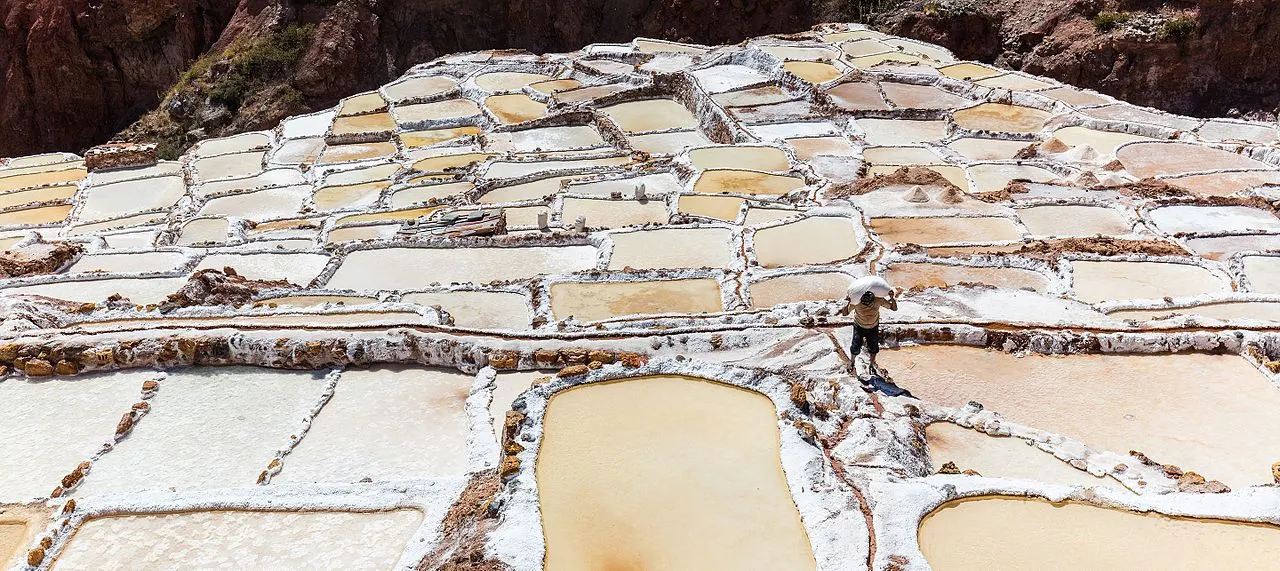
- Shoot the valley: Písac's terraces, the Maras salt pans, Moray's bowls, Ollantaytambo at dusk.
- Work Cusco at the edges of the day — markets in the morning, plazas at blue hour.
- Use the acclimatization days as shooting days; you lose nothing and gain a portfolio.
- Treat the citadel as the climax of a sequence, not a single isolated frame.




Related guides

Best Circuit for the Classic Machu Picchu Photo
Which routes deliver the iconic postcard view, when the light is best, how mist and season play, and how to avoid the photo disappointment that catches first-timers.
Read guideBest Photography Spots at Machu Picchu
Where the great Machu Picchu photographs are actually made — the classic upper-terrace frame, the llamas, the morning cloud, and which circuit reaches each angle. Plus the sunrise myth and what you simply cannot access.
Read guide
Machu Picchu Weather Guide
What the weather actually does on the ridge — the two Andean seasons, daily cloud and clearing, rain and landslide risk, how to read your time slot, and how it all shapes your packing and your nerves.
Read guideMore in Itineraries
6
A Luxury Machu Picchu Itinerary
A high-end Machu Picchu plan with palace hotels in Cusco, luxury Sacred Valley lodges, the Hiram Bingham train, private guiding and soft, altitude-kind pacing.
Read guide
A Machu Picchu Honeymoon
How to build a honeymoon around Machu Picchu — romantic hotels in Cusco and the Sacred Valley, a luxury train into the gorge, a private guide, spa days and a dawn at the citadel.
Read guide
Beyond the Citadel: Peru Add-Ons to Machu Picchu
How to bolt the rest of Peru onto a Machu Picchu trip — Rainbow Mountain, Humantay Lake, the South Valley and the bigger leaps to the Amazon, Lake Titicaca, Lima and Arequipa — sequenced for altitude and time.
Read guide
Family Machu Picchu Itinerary: A Kid-Paced Plan
A family-paced Machu Picchu itinerary built around the altitude ladder, kid-friendly circuits, the train, Sacred Valley downtime and unhurried buffer days — so children and grandparents arrive at the citadel rested, not wrecked.
Read guide
Five Days: Cusco, the Sacred Valley & Machu Picchu
A balanced five-day Machu Picchu itinerary — proper Cusco acclimatization, an unhurried Sacred Valley, an overnight in Aguas Calientes and the citadel, with altitude and ticket buffers built in so a cloudy morning or a late train never sinks the trip.
Read guide
Machu Picchu by Train: A Step-by-Step Itinerary
A train-based Machu Picchu itinerary from Cusco or Ollantaytambo — the booking order, hotel timing, the bus up from Aguas Calientes, and the backups that keep the day calm.
Read guide