
Best Photography Spots at Machu Picchu
Where the great Machu Picchu photographs are actually made — the classic upper-terrace frame, the llamas, the morning cloud, and which circuit reaches each angle. Plus the sunrise myth and what you simply cannot access.

Photo: Fabien Moliné / Unsplash
- ✓The famous postcard frame sits on the upper terraces near the Guardhouse — reached on the upper panoramic routing, not the lower circuit.
- ✓Your circuit decides your angles: there is no wandering back, so pick the route that reaches the shot you most want.
- ✓Morning cloud, not sunrise light, is the magic at Machu Picchu — the site faces such that there is no dramatic sun-cresting-the-citadel moment.
- ✓Tripods, drones and large bags are restricted inside the citadel; travel light and shoot handheld — verify current rules.
The photograph everyone has seen, and how it's made
There is one image of Machu Picchu that lives in every imagination before you ever arrive: the whole citadel laid out below you, terraces stepping down to the urban core, and the sugarloaf peak of Huayna Picchu rising behind it like a held breath. That photograph is not taken from inside the ruins. It is made from above them, on the upper terraces near the Guardhouse, looking down the long axis of the city. Understanding that one fact reorganises your whole plan: the picture you came for lives on the high, panoramic path, and you have to choose the ticket that reaches it.
Machu Picchu is, in a sense, designed to be photographed — but only from the right places, and under the post-2024 circuit system those places are not all on the same ticket. This guide maps the shots that matter to the routes that reach them, tells you the truth about the 'sunrise', and is honest about what you cannot get to. Plan the photograph, then book the circuit that delivers it.
At a glance
The essentials before you shoot. Equipment rules and circuit definitions are set by Peru's Ministry of Culture and can change — confirm current restrictions and routing at the point of sale.
- Best classic frame: upper terraces near the Guardhouse, on the upper/panoramic routing.
- Light: chase morning cloud and shifting mist, not a 'sunrise' — the geometry gives no sun-over-citadel moment.
- Equipment: tripods and drones are generally not permitted inside; large bags are restricted — verify.
- Circuit-locked: the path is one-way, so you cannot return for a missed angle — choose your route deliberately.
- Llamas: usually grazed on the upper terraces, near the classic viewpoint — a bonus, not a guarantee.
The spots, ranked by what they give you
Machu Picchu's best photographs cluster at a handful of vantage points, each tied to a part of the site and therefore to a circuit. Here is the working list — read it as 'where the picture is', then match it to the route that reaches it.
- The Guardhouse / upper terrace overlook — the classic full-citadel frame with Huayna Picchu behind. Upper panoramic routing.
- The Sun Gate (Inti Punku) — a distant, lofty view of the whole citadel from above, the trekkers' first sight. Reached on foot, on routes that include the Sun Gate trail.
- The Inca Bridge viewpoint — the cliff-edge causeway, a dramatic detail shot. Upper routing, where the route includes the bridge path.
- Inside the urban sector — tight compositions of trapezoidal doorways, the Temple of the Three Windows, the masonry up close. Lower routing.
- The Sacred Rock — the stone echoing the mountain behind it; a quieter, conceptual frame. Lower routing.
- Huayna Picchu summit — a vertiginous bird's-eye of the citadel far below, for permit-holders only. Lower routing plus a separate permit.

Your circuit is your shot list
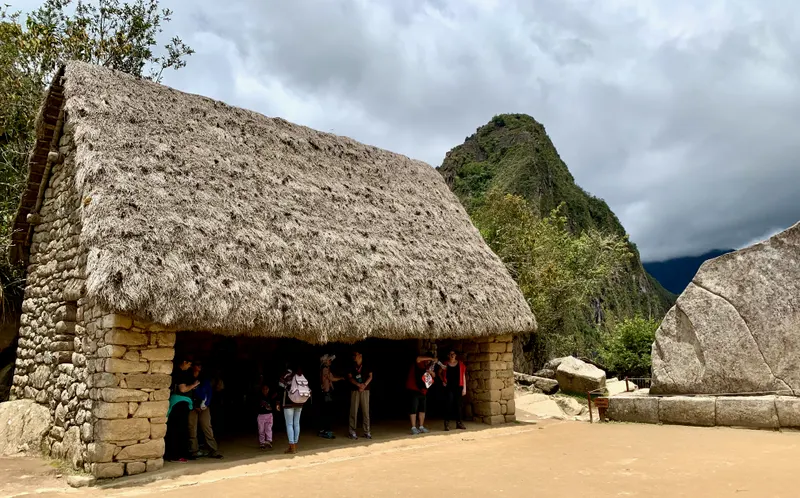
This is the part casual visitors discover too late. Because the citadel runs on capped, timed, largely one-way circuits, the angles you can photograph are decided when you buy the ticket — not when you walk in. The upper panoramic routing (Circuit 1) owns the classic overlook, the Sun Gate trail and the Inca Bridge; the lower routing (Circuit 3) owns the urban-sector close-ups, the Temple of the Sun, the Sacred Rock and the Huayna Picchu approach; the classic full visit (Circuit 2) threads a middle path that pairs the postcard view with a descent into the city.
What this means in practice: you cannot get every photograph in one visit, and you cannot double back for a frame you missed. Decide your priority shot before you book. If the full-citadel overlook is the picture you cannot live without, you want the upper or classic routing. If you are after intimate masonry and temple details, the lower routing serves you better. Confirm the current circuit definitions when you buy, because they have been revised before and may change again.
- Upper/panoramic (Circuit 1): classic overlook, Sun Gate, Inca Bridge.
- Classic (Circuit 2): the postcard view plus a descent into the urban sector.
- Lower/royal (Circuit 3): urban close-ups, Temple of the Sun, Sacred Rock, Huayna Picchu.
- One-way and capped — no backtracking for a missed angle. Verify routing before booking.


The sunrise myth, and the real magic hour
Travellers arrive expecting a golden sunrise over Machu Picchu, and many leave faintly disappointed by it — because, geographically, it does not really happen. The citadel sits in a deep gorge ringed by high peaks, so the sun does not crest a clean horizon and flood the ruins with low light; instead it climbs slowly over the mountains, already high by the time it reaches the stones. There is no dramatic moment of the sun rising behind Huayna Picchu for your lens.
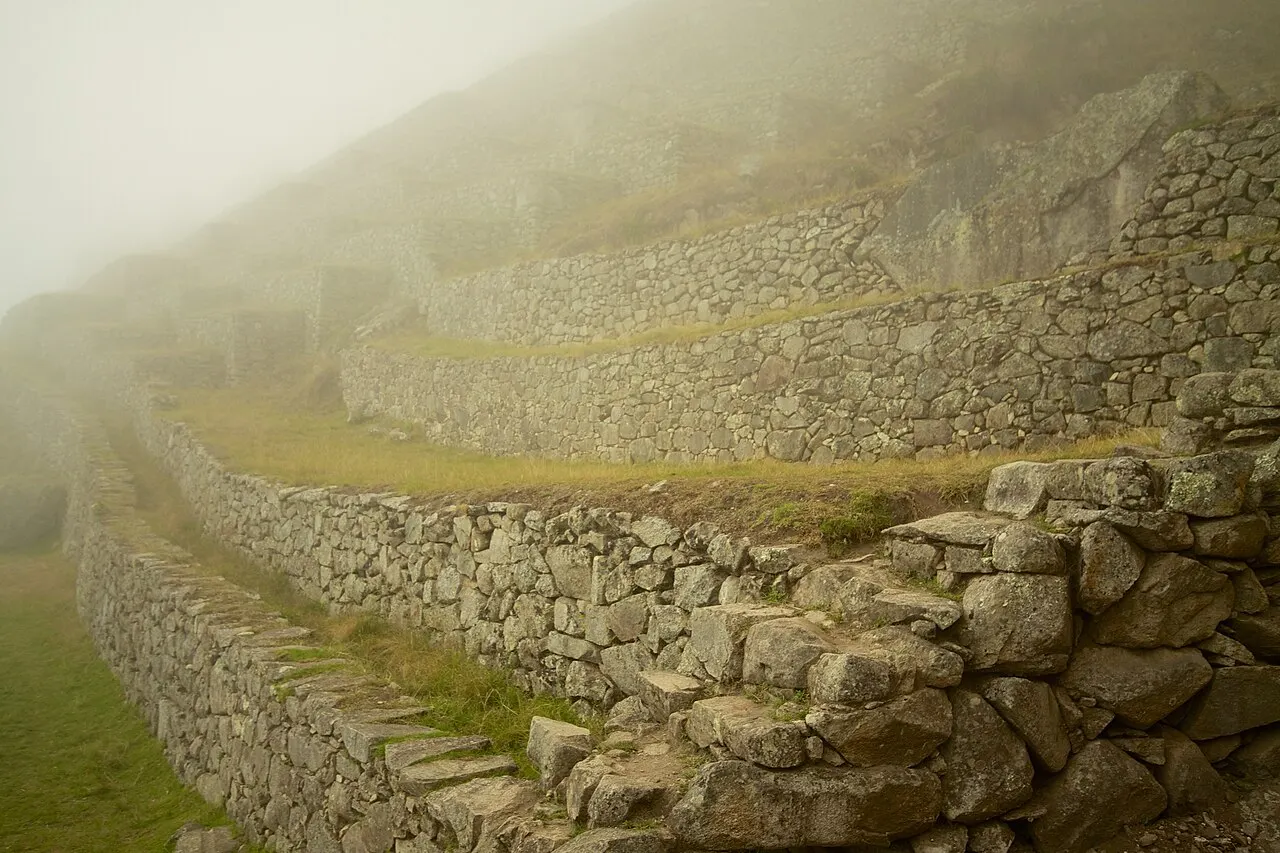
What there is — and it is better — is the cloud. In the early morning, especially in the shoulder and wet seasons, the citadel is wrapped in mist that lifts, parts and reforms, revealing and hiding the ruins in slow theatrical sweeps. The frame where the cloud tears open to show the city below is the photograph that actually rewards an early entry. Chase weather and timing, not a textbook sunrise: a clearing dawn, or a moody mist-bound one, will give you something the harsh midday light never can.
What you cannot photograph — and the gear rules
Honesty about the limits saves disappointment. You cannot photograph the citadel from a drone — drones are not permitted in the sanctuary. You cannot set up a tripod inside the ruins for long-exposure work; tripods are generally restricted, so plan to shoot handheld and lean on fast lenses or higher ISO instead. You cannot bring a large camera backpack through the gate, since bag-size limits apply and there is usually a left-luggage option outside. And you cannot wander off the marked circuit to find a private angle: the paths are fixed and patrolled, both to protect the site and to keep the one-way flow moving.
Within those limits, travel light and shoot fast. A single versatile lens, a phone for the wide sweeps, and a willingness to be patient with the cloud will out-perform a heavy kit you cannot deploy. Treat the marked viewpoints as your studio. And remember that the most photographed living residents of the site — the llamas grazing the upper terraces — wander where they like; if one strolls into your classic frame, you have the postcard the whole world recognises. Verify the current equipment and bag rules before you go, as the Ministry adjusts them periodically.
- No drones in the sanctuary.
- Tripods generally restricted inside — plan to shoot handheld.
- Large bags not allowed through the gate; use left-luggage outside.
- Stay on the marked circuit — no wandering for a private angle.
- Rules change — verify current equipment and bag limits before your visit.

Related guides

Best Circuit for the Classic Machu Picchu Photo
Which routes deliver the iconic postcard view, when the light is best, how mist and season play, and how to avoid the photo disappointment that catches first-timers.
Read guide
The Guardhouse Viewpoint: The Classic Machu Picchu View
The upper terrace overlook by the Casa del Guardián — the postcard frame of Machu Picchu. Which circuit reaches it, when the light is best, and how to plan the shot you came for.
Read guide
Machu Picchu Photography Itinerary
A photographer's Machu Picchu plan: the circuit and route that reach the classic frame, the light and weather windows worth chasing, what gear the site rules allow, and the Sacred Valley photo stops that bookend the citadel.
Read guideMore in Highlights
6
A Rainy Day at Machu Picchu
Rain at the citadel is normal, not a disaster — how to dress for cloud forest, which circuits cope best, how to build train buffers, the Aguas Calientes backups, and why mist makes the most haunting photographs of all.
Read guide
Aguas Calientes (Machu Picchu Pueblo): The Complete Guide
Aguas Calientes — officially Machu Picchu Pueblo — the cloud-forest town at the foot of the citadel. Where to sleep, how the trains and buses connect, the food, the hot springs, luggage, and how long to stay for a calmer entry.
Read guide
Around the Site: Machu Picchu Up Close
The hub for the world immediately around the citadel — what to see inside it, the town of Aguas Calientes below, where to stay, the first buses up, the hot springs, the restaurants, and how to visit responsibly.
Read guide
Budget hotels for Machu Picchu
Better-value places to sleep along the Machu Picchu route — honest guesthouses and well-run hostels in Cusco, Ollantaytambo and Aguas Calientes — chosen to stretch the trip without wrecking the altitude ladder or the citadel-morning logistics.
Read guide
Luxury hotels for Machu Picchu
The top-end stays that string together a polished Machu Picchu journey — restored monasteries and oxygen-equipped suites in Cusco, hacienda-and-spa retreats in the Sacred Valley, and the one true luxury option at the gate of the citadel itself.
Read guide
Machu Picchu Highlights: What You'll See
The set pieces inside the citadel — the Guardhouse overlook, the Temple of the Sun, the Intihuatana, the Sacred Rock, the Sun Gate and the Inca Bridge — and which circuit and route reaches each one.
Read guide