
Cusco Cooking Classes
Market tours, hands-on cooking classes, pisco sour workshops and cacao experiences in Cusco — gentle, low-altitude-friendly activities to fill an acclimatization day before Machu Picchu.
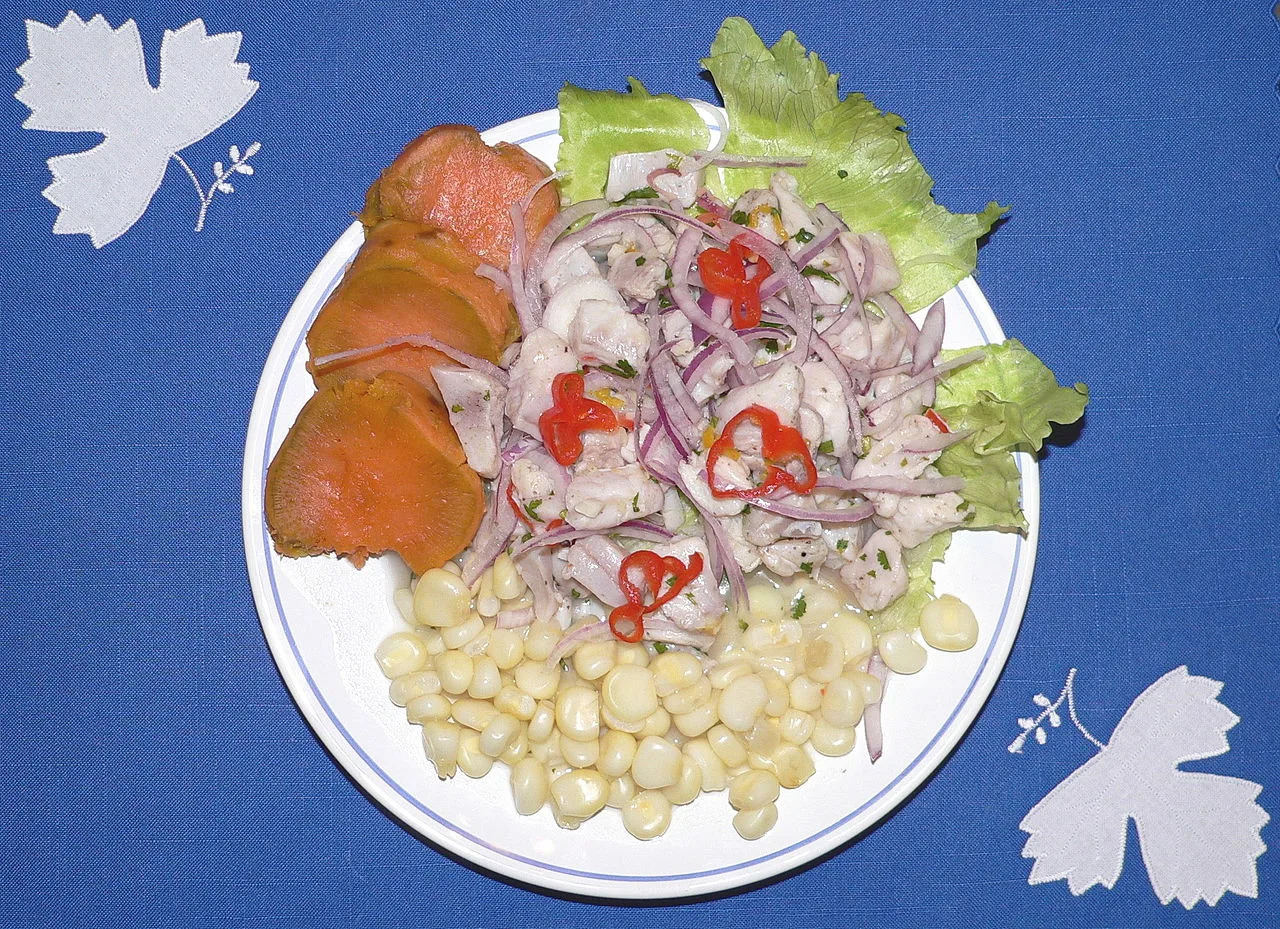
Photo: Manuel González Olaechea / Wikimedia Commons · CC BY 3.0
- ✓A cooking class is one of the best acclimatization-day activities in Cusco — engaging, mostly seated and indoors, and gentle on the altitude.
- ✓Most classes begin with a guided San Pedro market tour, so you learn the ingredients before you cook them.
- ✓Couples can choose from full Peruvian cooking classes, pisco-sour workshops, and bean-to-bar cacao and chocolate experiences.
- ✓It's an ideal rainy-day plan, and a hands-on way to take a piece of Andean cooking home with you.
The acclimatization activity that's actually fun
There's a tension in the first day or two in Cusco: you want to be doing things, but at 3,399 m your body is asking you to take it easy. A cooking class threads that needle better than almost anything. It's social, hands-on and genuinely memorable, but it's mostly indoors and on your feet only gently — no climbing, no exertion, nothing the altitude punishes. For couples, it's also one of the warmest, most fun shared experiences of the whole trip.
And it pays off twice. You spend a relaxed acclimatization day learning the food you've been eating, and you leave knowing how to recreate a piece of the Andes at home — the lomo saltado, the pisco sour, the quinoa dishes — long after the trip ends. Few souvenirs travel as well as a recipe you can actually cook.
How a class usually runs: market first, then the kitchen
Most Cusco cooking classes follow the same satisfying arc. They start with a guided walk through the Mercado Central de San Pedro, where the instructor introduces the ingredients — the dozens of native potatoes, the Andean grains, the ají chillies, the unfamiliar fruit — and you shop for what you'll cook. It doubles as a gentle, flat morning of exactly the kind your acclimatizing body wants.
Back in the kitchen, you cook a handful of dishes hands-on, then sit down to eat what you've made — usually with a pisco sour you've shaken yourself. The whole thing tends to run a relaxed few hours, and ends, as the best meals do, around a table. It's a low-effort, high-reward way to spend a day-one or day-two morning.
Full Peruvian cooking classes
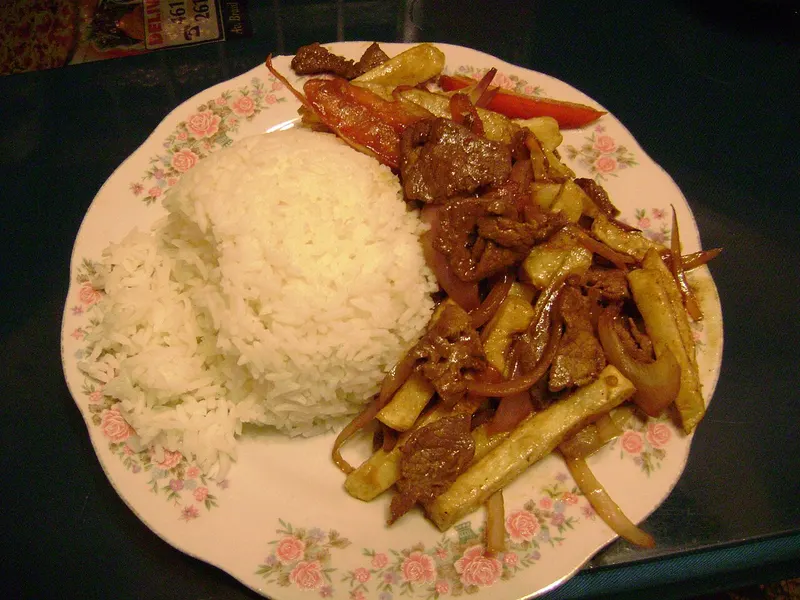
The classic option teaches you Peru's greatest hits and a highland speciality or two. Expect to make a ceviche (Cusco being inland, often a trout or vegetarian version), a lomo saltado, perhaps an ají de gallina or a causa, and of course the pisco sour. You'll learn the techniques — the chilli pastes, the stir-fry heat, the layering — that underpin the whole cuisine.
These run as group classes (a sociable mix of fellow travellers) or as private sessions for two, which couples often prefer for a more intimate, go-at-your-own-pace afternoon. Vegetarian and vegan versions are widely available — quinoa and potato dishes make the plant-based menu easy and authentic.
- Typically make: pisco sour, ceviche (trout/veg inland), lomo saltado, plus a highland dish.
- Group or private: private classes suit couples wanting an intimate pace.
- Vegetarian & vegan: easily accommodated — the Andes are a plant-based cook's dream.
Pisco workshops and the perfect sour
If you'd rather a shorter, looser experience, a pisco-sour workshop is the joyful option. Pisco — Peru's grape brandy — is the soul of the national cocktail, and an hour or two learning to balance the pisco, lime, syrup, egg white and bitters is a genuinely fun couple's activity, often with a tasting flight of different piscos alongside.
It pairs naturally with a meal or slots into a free evening, and it travels well: the pisco sour is the one Peruvian drink you can recreate anywhere. Go gently on the tasting at altitude, though — the thin air makes every sip count for more than it would at sea level.

Cacao and chocolate experiences
Peru grows some of the world's finest cacao in its Amazon-facing valleys, and Cusco has a lively scene of bean-to-bar chocolate workshops. In a typical session you roast, peel and grind the beans, learn the history of cacao in the Andes, and make your own chocolate bars and a cup of the thick, spiced traditional drink to take away.
It's the gentlest experience of all — seated, sweet, and utterly indoor-friendly — which makes it a perfect rainy-day or low-energy-day plan, and a lovely thing to do as a couple. You leave with chocolate you made yourselves, which is a far better souvenir than anything off a shelf.
- What you do: roast and grind cacao, learn its Andean history, make your own bars and hot chocolate.
- Best for: a rainy day, a low-energy acclimatization afternoon, a sweet-toothed couple.
- Take home: chocolate you made — a genuinely good edible souvenir.

Practical notes for booking
Cooking classes, pisco workshops and cacao experiences all cluster in the historic centre, within easy walking reach of central hotels — keeping them squarely in the gentle radius your acclimatizing body should stick to. They run in both group and private formats, and many operators offer pickup or a central meeting point.
Book a day or two ahead in dry season, especially for private sessions and around the June peak. Flag dietary needs when you book — kitchens here handle vegetarian, vegan and allergy requests well. As with everything time- and price-sensitive, confirm current schedules, durations and costs directly with the operator; treat anything specific you read in advance as something to verify.

At a glance
The cooking-class essentials in one card. Formats and customs are evergreen; verify current schedules, durations and prices with the operator.
- Best for: a gentle, indoor, fun acclimatization-day activity for couples.
- Format: most start with a San Pedro market tour, then cook and eat together.
- Options: full Peruvian cooking class, pisco-sour workshop, or bean-to-bar cacao experience.
- Altitude-friendly: mostly seated and indoors — no exertion, ideal for day one or two.
- Rainy-day plan: cacao and pisco sessions are perfect when the weather turns.
- Book ahead: a day or two in dry season; flag dietary needs and verify times.
What you'll actually cook
A typical Cusco cooking class teaches the dishes that define Peruvian and Andean food, and the line-up is a genuine introduction to the cuisine rather than tourist filler. Most classes build around ceviche — the raw fish 'cooked' in lime and ají, Peru's most famous dish — and the chicken-and-cheese-and-chilli classic ají de gallina, often alongside lomo saltado, the stir-fry that fuses Andean ingredients with the Chinese-Peruvian chifa tradition. You'll usually learn to handle the building blocks of Peruvian flavour: ají amarillo and rocoto chillies, huacatay (the pungent black mint), purple corn, and the staggering variety of Andean potatoes, of which Peru grows thousands of varieties. Many classes finish by mixing and drinking your own pisco sour, the grape-brandy cocktail that is Peru's national drink.
The teaching is hands-on and unhurried, which is exactly what makes it such a good acclimatization-day activity. You're standing in a kitchen, chopping and stirring at a relaxed pace, not exerting yourself at altitude — and you come away able to recreate the meals at home, which is more than most souvenirs offer. Vegetarian and vegan adaptations are widely available; flag dietary needs when you book. The market tour that usually opens the class doubles as a primer on the ingredients you'll see on every Cusco and Sacred Valley menu for the rest of the trip.
- Common dishes: ceviche, ají de gallina, lomo saltado, plus a pisco sour to finish.
- Key flavours you'll learn: ají amarillo and rocoto chillies, huacatay, purple corn, native potatoes.
- Hands-on and relaxed — ideal low-exertion activity for an altitude-adjustment day.
- Vegetarian and vegan versions widely available; the opening market tour decodes the cuisine.



Related guides
Cusco Food Guide
What and where to eat in Cusco before Machu Picchu — altitude-friendly dishes, the markets, the Andean staples, and the special dinners worth saving an evening for.
Read guide
San Pedro Market: Cusco's Sensory Heart
Cusco's main covered market — fresh-fruit juices, cheap set-lunch counters, chocolate and souvenirs, and a glorious first-day overload of colour, smell and altitude. How to visit well, eat safely and not get fleeced.
Read guide
Best Cafés in Cusco
Where to take coffee, breakfast and a gentle acclimatization morning in Cusco — the plaza spots, the San Blas hideaways and the quieter local lanes, mapped for couples easing into the altitude.
Read guideMore in Cusco Base
6
Best hotels in Cusco
How to choose well among Cusco's hotels for a Machu Picchu trip — judged not on stars alone but on altitude comfort, location and walkability, character, family fit, and how cleanly they set up the onward journey to the citadel.
Read guide
Boleto Turístico del Cusco
How the COSITUC Boleto Turístico works — the combined pass that covers Sacsayhuamán, Pisac, Ollantaytambo, Moray, the Maras–style sites and a clutch of Cusco museums — and when it's actually worth buying.
Read guide
Budget hotels in Cusco
How to sleep well in Cusco for less before Machu Picchu — value hotels, guesthouses and hostels, where the cheaper rooms cluster, and the few things never to scrimp on at 3,399 m.
Read guide
Cusco & Machu Picchu Costs
A realistic way to think about the money — the fixed citadel ticket, the train that dominates the budget, buses, guides, food and the trek add-ons — and where the costs hide.
Read guide
Cusco acclimatization & altitude
How to land soft in Cusco at 3,399 m: reading soroche, pacing your first day, what to eat and drink, the easy activities that help, and when to simply rest before Machu Picchu.
Read guide
Cusco Cathedral: The Plaza de Armas Centrepiece
The great colonial cathedral on Cusco's Plaza de Armas — built on Inca foundations, hung with Cusco School paintings, and home to the famous guinea-pig Last Supper. Tickets, art, dress code and how it fits a first acclimatizing day.
Read guide