
Cusco Food Guide
What and where to eat in Cusco before Machu Picchu — altitude-friendly dishes, the markets, the Andean staples, and the special dinners worth saving an evening for.
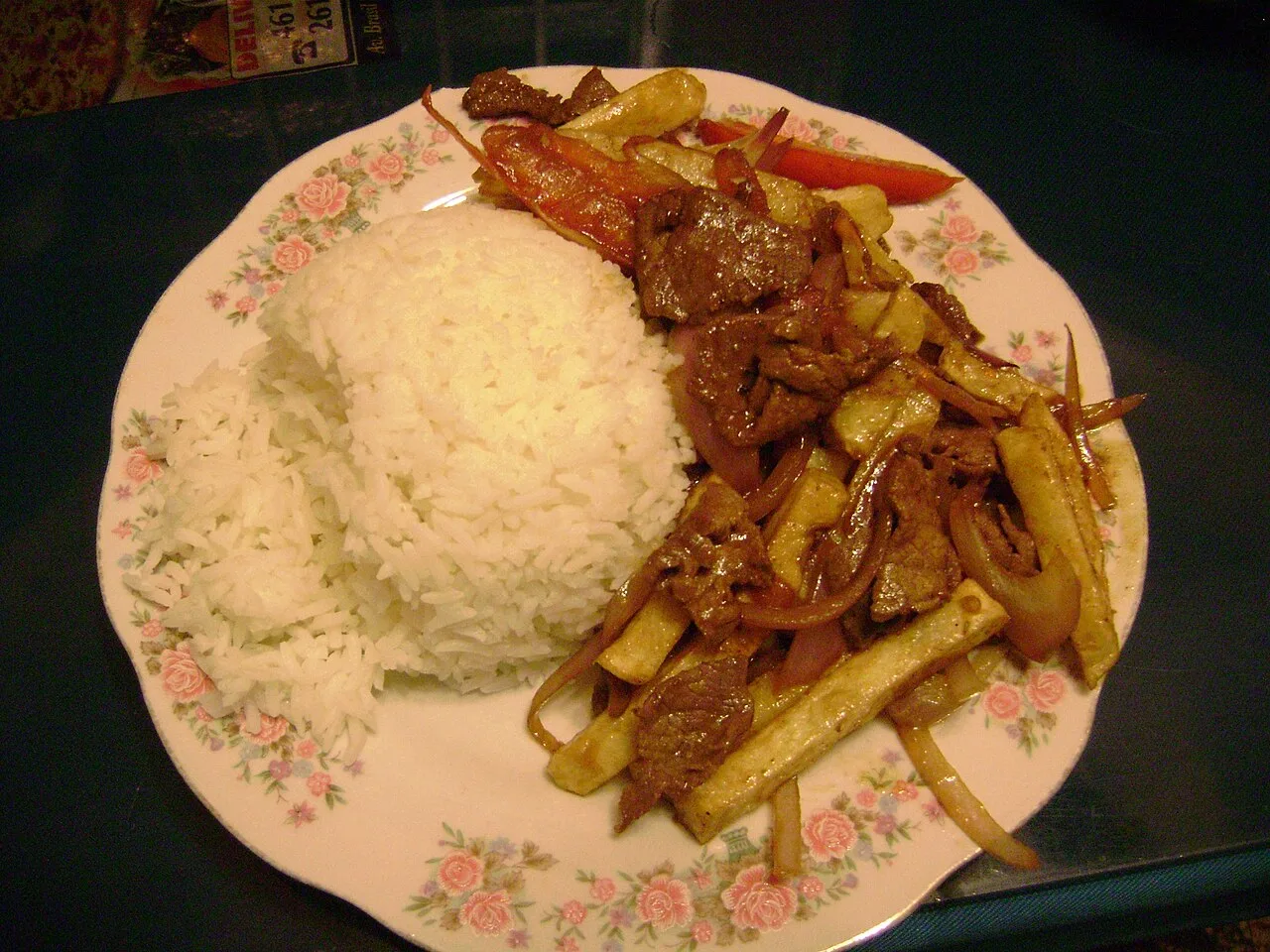
Photo: Dtarazona / Wikimedia Commons · CC BY-SA 3.0
- ✓Eat light and warm on your first day at 3,399 m — soups, quinoa and small plates sit far better than heavy meat while you acclimatize.
- ✓Cusco's food runs from the bustling San Pedro market to candlelit Novoandina dining rooms — the whole spectrum within a few walkable blocks.
- ✓The local stars: lomo saltado, ají de gallina, cuy, alpaca steak, chairo and quinoa soup, choclo con queso, and the rainbow of native potatoes.
- ✓Go easy on alcohol the first night — altitude amplifies it — and let coca tea and chicha morada do the gentle work instead.
Eat for the altitude first, the flavour second
Cusco is one of the great eating cities of South America, but its first lesson isn't a dish — it's restraint. You'll arrive at 3,399 m, higher than the citadel you've come to see, and your body will be busy adjusting. Heavy, fatty, boozy meals on the first night are the surest way to turn ordinary acclimatization into a miserable one. So the guide starts here: on day one, eat warm, eat light, and let the city's soups do the comforting.
Andean cooking is, conveniently, built for exactly this. Brothy quinoa soups, the hearty-but-gentle chairo, a plate of choclo (giant Andean corn) with fresh cheese — these are the dishes the highlands evolved to eat at altitude, and they'll treat you kindly. Save the celebratory cuy and the big alpaca steaks for night two or three, once you've found your feet.

The dishes to know
Peruvian food is justly famous, and Cusco serves both the national greatest hits and the highland specialities you won't meet on the coast. A short field guide so you can read a menu like a local.
- Lomo saltado — beef stir-fried with onion, tomato and ají, served with chips and rice. The national comfort dish, and a safe, satisfying choice.
- Ají de gallina — shredded chicken in a creamy, mildly spicy yellow-pepper sauce. Gentle and warming, good for early days.
- Cuy (guinea pig) — the Andean ceremonial dish, traditionally roasted whole. A genuine local rite of passage; order it once you've acclimatized.
- Alpaca — lean, tender, slightly sweet red meat, often served as a steak or in skewers. A highland speciality worth seeking out.
- Quinoa soup & chairo — brothy, grain-and-vegetable soups built for the cold and the altitude. Start your trip here.
- Choclo con queso — fat-kernelled Andean corn with a slab of fresh cheese, the classic market and street snack.
- Rocoto relleno & causa — stuffed hot pepper and a chilled, layered potato dish; small plates that showcase Peru's range.
- Native potatoes — the Andes gave the world the potato, and Cusco's markets carry dozens of colours and textures you'll see nowhere else.
Start at the market: San Pedro
No food guide to Cusco begins anywhere but the Mercado Central de San Pedro, the city's working market a few minutes downhill from the Plaza de Armas. It's the antidote to any worry that Cusco's food is a tourist performance: this is where the city actually shops, and where the fruit juices, the soup stalls and the produce mountains tell you what's in season.
For a couple, it's also one of the most charming low-effort mornings of the whole trip — exactly the kind of gentle, flat-ish wandering your acclimatizing body wants. Order a fresh juice (the vendors will blend almost anything), graze the food stalls, and let the rows of native potatoes and unfamiliar Andean fruit do their work. Keep an eye on your bag, pay in small cash, and don't over-order — the portions are generous.
Coffee, cafés and a gentle breakfast
Peru grows superb coffee, much of it in the cloud forests not far from here, and Cusco's café scene has caught up beautifully. A slow breakfast — eggs, fresh bread, fruit, good coffee — is the ideal acclimatization-day ritual: low effort, high comfort, and a chance to people-watch on a plaza or a quiet San Blas lane while your body adjusts.
The cafés cluster around the Plaza de Armas, climb up into the artistic San Blas quarter, and hide down quieter side streets where the prices ease and the locals linger. We've mapped the best of them — the acclimatization stops, the breakfast spots and the proper coffee — in a dedicated guide.
Novoandina and the special dinner
Cusco is also where Peru's celebrated Novoandina movement — modern cooking built on ancient highland ingredients — shows off. Restaurants take native potatoes, quinoa, Andean grains, river trout, alpaca and the country's astonishing range of chillies and lift them into tasting menus and beautifully plated dishes. It is some of the most exciting, rooted cooking on the continent.
For couples, this is the trip's natural place for one memorable dinner: a candlelit Novoandina table, a glass of Peruvian wine or a pisco sour, and the slow recap of everything you've seen. We keep a separate guide to the most romantic of these rooms — the special-occasion places worth booking ahead, particularly in dry season when the good tables fill.
What to drink
The drinks deserve their own paragraph. Pisco — the grape brandy at the heart of the pisco sour — is the national pour, and Cusco mixes a fine one; but the altitude makes alcohol hit harder and faster, so go gently on your first night especially. Peruvian wine is a quietly good companion to a Novoandina dinner once you've adjusted.
The non-alcoholic side is just as rewarding. Mate de coca (coca-leaf tea) is the highland standby that genuinely helps with altitude. Chicha morada — a deep-purple, spiced drink made from native corn — is delicious and ubiquitous. And the fruit juices at San Pedro are a meal's worth of refreshment on their own.
- Pisco sour — the national cocktail; superb, but ease in at altitude.
- Mate de coca — coca-leaf tea, the local altitude remedy and comfort drink.
- Chicha morada — sweet, spiced purple-corn drink, alcohol-free and everywhere.
- Peruvian wine — a good match for a special Novoandina dinner once you've acclimatized.
Eating well, safely
A few practical notes so the food stays a joy. Stick to bottled or properly treated water, and be sensible with raw salads and unpeeled fruit early in the trip while your system settles. Street and market food is part of the pleasure of Cusco — eat where it's busy, freshly cooked and turning over fast, and you'll be fine.
If you have dietary needs, Cusco copes well: vegetarian and vegan menus are common in the centre, quinoa and potato dishes make naturally plant-based meals, and Novoandina kitchens are used to accommodating. As ever, the romantic dinners and busiest tables are worth reserving a day or two ahead in high season.
At a glance
The Cusco eating essentials in one card. Dishes and customs are evergreen; verify any specific restaurant hours and reservations locally.
- Day one: eat warm and light — soups, quinoa, choclo. Save cuy and big steaks for later.
- Markets: start at San Pedro for juices, soup stalls and native produce.
- Local stars: lomo saltado, ají de gallina, alpaca, cuy, chairo, choclo con queso.
- Drink: pisco sour (gently at altitude), mate de coca, chicha morada.
- Special dinner: a Novoandina room — book ahead in dry season.
- Stay safe: bottled water, freshly cooked street food, ease into raw salads.

Related guides

San Pedro Market: Cusco's Sensory Heart
Cusco's main covered market — fresh-fruit juices, cheap set-lunch counters, chocolate and souvenirs, and a glorious first-day overload of colour, smell and altitude. How to visit well, eat safely and not get fleeced.
Read guide
Best Cafés in Cusco
Where to take coffee, breakfast and a gentle acclimatization morning in Cusco — the plaza spots, the San Blas hideaways and the quieter local lanes, mapped for couples easing into the altitude.
Read guide
Romantic Restaurants in Cusco
Where to take a special dinner in Cusco — candlelit Novoandina rooms, colonial courtyards and quiet corner tables for honeymooners and couples celebrating before or after Machu Picchu.
Read guideMore in Cusco Base
6
Best hotels in Cusco
How to choose well among Cusco's hotels for a Machu Picchu trip — judged not on stars alone but on altitude comfort, location and walkability, character, family fit, and how cleanly they set up the onward journey to the citadel.
Read guide
Boleto Turístico del Cusco
How the COSITUC Boleto Turístico works — the combined pass that covers Sacsayhuamán, Pisac, Ollantaytambo, Moray, the Maras–style sites and a clutch of Cusco museums — and when it's actually worth buying.
Read guide
Budget hotels in Cusco
How to sleep well in Cusco for less before Machu Picchu — value hotels, guesthouses and hostels, where the cheaper rooms cluster, and the few things never to scrimp on at 3,399 m.
Read guide
Cusco & Machu Picchu Costs
A realistic way to think about the money — the fixed citadel ticket, the train that dominates the budget, buses, guides, food and the trek add-ons — and where the costs hide.
Read guide
Cusco acclimatization & altitude
How to land soft in Cusco at 3,399 m: reading soroche, pacing your first day, what to eat and drink, the easy activities that help, and when to simply rest before Machu Picchu.
Read guide
Cusco Cathedral: The Plaza de Armas Centrepiece
The great colonial cathedral on Cusco's Plaza de Armas — built on Inca foundations, hung with Cusco School paintings, and home to the famous guinea-pig Last Supper. Tickets, art, dress code and how it fits a first acclimatizing day.
Read guide