
Where to stay for Machu Picchu
A clear comparison of the four real bases for a Machu Picchu trip — Cusco, the Sacred Valley, Ollantaytambo and Aguas Calientes — weighed on altitude, train access, ticket timing, character and price, so you sleep in the right places in the right order.

Photo: Sebastian Tapia Huerta / Unsplash
- ✓There is no single best base — a good trip usually sleeps in two or three places in altitude order: high Cusco or the lower valley first, then closer to the train, then optionally Aguas Calientes the night before the citadel.
- ✓Trains to the citadel run from Ollantaytambo in the Sacred Valley, so where you sleep the night before decides how early and how stressful your citadel morning is.
- ✓Cusco is the highest base (3,399 m) and where most altitude sickness happens; the Sacred Valley floor (around 2,800 m) is gentler and a kinder first night for sensitive travellers.
- ✓We name no nightly rates — Peru's hotel prices swing with season and demand, so verify every price live when you book.
Four bases, and why you'll likely use more than one
The honest answer to 'where should I stay for Machu Picchu' is rarely one place. A Machu Picchu trip is a journey down a mountain gorge with no road to the end of it, and the smartest itineraries sleep in two or three spots along the way rather than commuting from a single base. The four real options are Cusco, the wider Sacred Valley, the valley town of Ollantaytambo, and Aguas Calientes (officially Machu Picchu Pueblo) at the very foot of the citadel. Each does a different job, and the art is matching the right base to the right night.
Two threads run through every choice: altitude and the train. Altitude, because Cusco at 3,399 m is the highest you sleep and where soroche bites hardest, so the order you stay matters as much as the places themselves. The train, because the line to the citadel begins at Ollantaytambo down in the valley — so the closer you sleep to that platform the night before, the gentler your citadel morning. Hold those two threads and the rest falls into place.


At a glance — the four bases compared
A quick way to read the options. Specifics like train departure points and prices change, so confirm them live close to your dates.
- Cusco (3,399 m): the highest base, richest in sights, hotels and food — but the hardest on lungs and roughly 1.5–2 hours by road from the Ollantaytambo train.
- Sacred Valley (around 2,800 m): lower, warmer and gentler on arrival; spread out, scenic and a kinder first night, with the train within easy reach.
- Ollantaytambo (around 2,800 m): the valley town where the train actually leaves from — best for the lightest, lowest-stress citadel morning.
- Aguas Calientes (around 2,040 m): the only base at the foot of the citadel; book it to be first up the mountain or to buffer against rain and delays.
Cusco: the high base with everything on tap
Cusco is where most trips begin and where you find the deepest choice of hotels, from colonial palaces to backpacker bunks. It is also the highest you sleep, so the trade-off is comfort against altitude: the city's restaurants, sights and atmosphere are unmatched, but your first night here can be the toughest of the trip. Use Cusco for acclimatizing days and city sightseeing, choose a flat, central, warm room, and do not plan to ride the train straight from here on day one — the early road transfer to Ollantaytambo makes a Cusco-based citadel day long.

The Sacred Valley: the gentler first night
The Sacred Valley floor sits several hundred metres below Cusco, which makes it the kinder place to land — many altitude-sensitive travellers now drop straight from the airport into the valley and save Cusco for later, coming down to it at the trip's end. The valley is spread out and scenic, with Inca sites, markets and some of Peru's best country hotels, and it puts you within easy reach of the train. The cost is that it is rural and dispersed, so you'll want a clear sense of which part of the valley your hotel sits in relative to Ollantaytambo's platform.

Ollantaytambo: closest to the train
Ollantaytambo is both a living Inca town and the platform where the line to the citadel begins, which makes it the lowest-stress place to sleep the night before. Stay here and your citadel morning starts with a short walk to the station rather than a pre-dawn road transfer — a real advantage for early entry slots. It is smaller than Cusco with fewer rooms, so book ahead, but for the night immediately before Machu Picchu it is often the smartest single choice in the whole valley.


Aguas Calientes: the night at the foot of the mountain
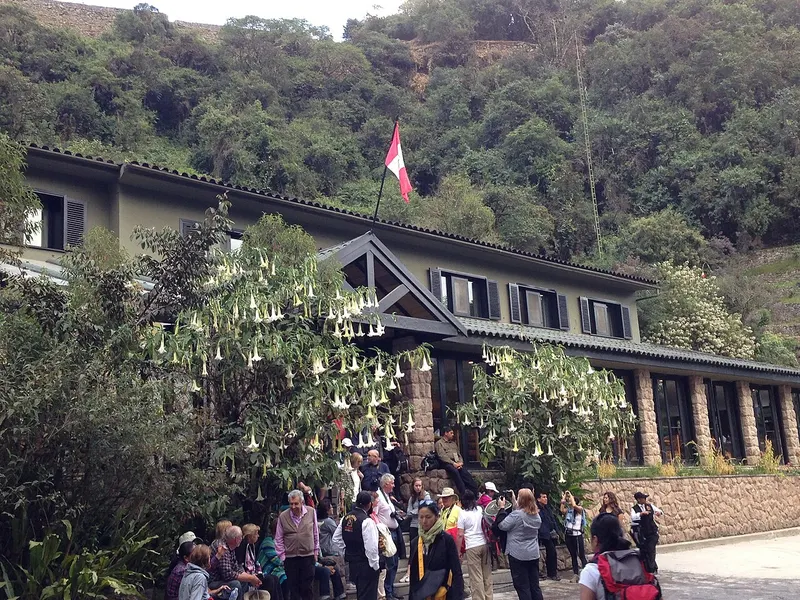
Aguas Calientes — Machu Picchu Pueblo — is the only place you can sleep within reach of the citadel itself, at the bottom of the gorge below the ruins. It is touristy and not especially pretty, but it earns its keep for two things: catching the very first buses up the mountain for a quieter, mistier citadel, and buffering against the weather, since an overnight here gives you a second roll of the dice if rain or delays spoil your slot. Many trips sleep one night here either side of the citadel visit and otherwise base in the valley or Cusco.
How to put the nights in the right order
Tie it together and a typical sequence looks like this: land and acclimatize (Cusco or, more gently, the lower Sacred Valley), spend the night before the citadel close to the train (Ollantaytambo or Aguas Calientes), visit Machu Picchu, then come back out. The two rules that never change: book the timed citadel ticket and the train first, because they are the capped, fixed bones the hotels hang off — and verify every nightly price live, because nothing in Peru's hotel market stays still for long.
- Sleep in altitude order: high or low-and-gentle first, then close to the train, then optionally Aguas Calientes.
- Match the base to the job: Cusco for sights, the valley for a soft landing, Ollantaytambo for the train, Aguas Calientes for the first bus and weather buffer.
- Lock the citadel ticket and train before any hotel — they are the fixed points.
- Verify every price live; the rates in any guide, including this one, are not printed here for a reason.




Related guides

Where to stay in Aguas Calientes
How to choose a base in the little town below Machu Picchu — weighed not on stars but on how cleanly it gets you onto the first bus, off a late train, fed early, and settled for an altitude-friendly night before the citadel.
Read guide
Where to stay in Cusco
A neighbourhood-by-neighbourhood guide to basing in Cusco before Machu Picchu — weighing altitude comfort, charm, walkability, station and airport access, and which area suits families, couples, luxury and budget travellers.
Read guide
Where to Stay in the Sacred Valley
A base-by-base guide to sleeping in the Sacred Valley before Machu Picchu — Ollantaytambo, Urubamba, Yucay, Písac and the luxury riverside lodges — chosen for altitude comfort, train access and the kind of trip you're taking.
Read guideMore in Highlights
6
A Rainy Day at Machu Picchu
Rain at the citadel is normal, not a disaster — how to dress for cloud forest, which circuits cope best, how to build train buffers, the Aguas Calientes backups, and why mist makes the most haunting photographs of all.
Read guide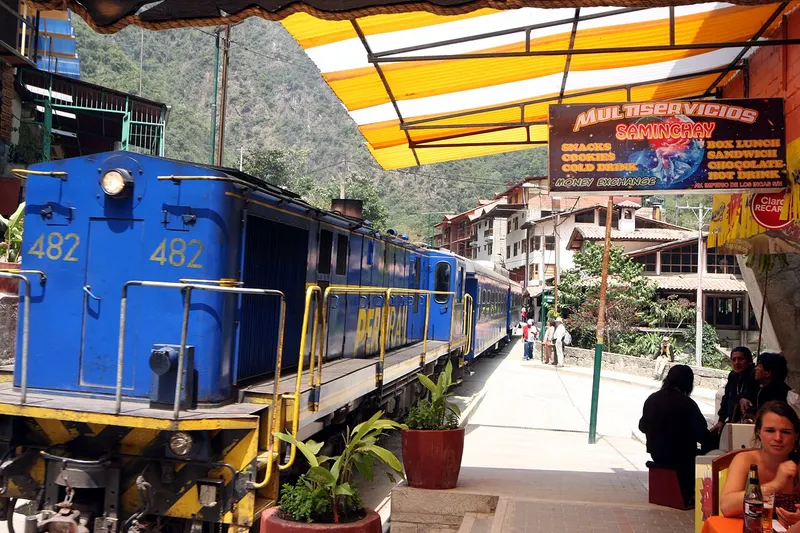
Aguas Calientes (Machu Picchu Pueblo): The Complete Guide
Aguas Calientes — officially Machu Picchu Pueblo — the cloud-forest town at the foot of the citadel. Where to sleep, how the trains and buses connect, the food, the hot springs, luggage, and how long to stay for a calmer entry.
Read guide
Around the Site: Machu Picchu Up Close
The hub for the world immediately around the citadel — what to see inside it, the town of Aguas Calientes below, where to stay, the first buses up, the hot springs, the restaurants, and how to visit responsibly.
Read guide
Best Photography Spots at Machu Picchu
Where the great Machu Picchu photographs are actually made — the classic upper-terrace frame, the llamas, the morning cloud, and which circuit reaches each angle. Plus the sunrise myth and what you simply cannot access.
Read guide
Budget hotels for Machu Picchu
Better-value places to sleep along the Machu Picchu route — honest guesthouses and well-run hostels in Cusco, Ollantaytambo and Aguas Calientes — chosen to stretch the trip without wrecking the altitude ladder or the citadel-morning logistics.
Read guide
Luxury hotels for Machu Picchu
The top-end stays that string together a polished Machu Picchu journey — restored monasteries and oxygen-equipped suites in Cusco, hacienda-and-spa retreats in the Sacred Valley, and the one true luxury option at the gate of the citadel itself.
Read guide