
Semana Santa in Cusco
Holy Week in the old Inca capital — the Señor de los Temblores procession, the red ñucchu rain, the food of Holy Thursday, and how the date, the crowds and the rail demand reshape a Machu Picchu trip.

Photo: Azzedine Rouichi / Unsplash
- ✓Semana Santa (Holy Week) is Cusco's great Easter festival, peaking on Holy Monday with the procession of the Señor de los Temblores — the city's beloved 'Lord of the Earthquakes'.
- ✓Easter is a moveable feast, usually falling in late March or April, so the dates shift each year — verify them for your year before you book anything.
- ✓It sits near the tail of the wet season: greener, cloudier and cooler than the June peak, with a real chance of rain.
- ✓It's a Peruvian-holiday week as well as a festival, so domestic travel, trains and Cusco hotels see a sharp spike in demand.
Holy Week in the navel of the world
Semana Santa is Cusco at its most solemn and most moving. Where Inti Raymi blazes and Corpus Christi dazzles, Holy Week is hushed, devotional and ancient — and its centrepiece is one of the most beloved images in all of Peru. On the afternoon of Holy Monday, the Señor de los Temblores, the dark-skinned crucified Christ known as the 'Lord of the Earthquakes', is carried out of the cathedral and through the streets around the Plaza de Armas. The story Cusqueños tell is that a great earthquake once threatened the city until the effigy was brought out to face it and the ground stilled; ever since, El Señor has been the city's protector, and his Monday procession draws the whole of Cusco into the square.
As the litter passes, people on the balconies above shower it with ñucchu — small red flowers whose colour evokes Christ's wounds — until the procession moves through a falling red rain. It is unlike anything else in the Cusco calendar, and for a traveller it offers a glimpse of the city's soul that no ruin tour can match. The catch, as ever, is logistical: Holy Week is a national holiday in Peru, so the festival you came to witness also brings a wave of domestic travel that presses on the same trains, tickets and hotels your Machu Picchu plan needs.


Semana Santa at a glance
The week in one card. The pattern is evergreen, but Easter's date moves every year and the city's logistics shift with it — verify the exact dates, hotel availability, train schedules and any closures before you commit.
- When: the week before Easter Sunday — a moveable feast, usually late March or April; check the dates for your year.
- Peak day: Holy Monday, with the procession of the Señor de los Temblores around the Plaza de Armas.
- Where: centred on the cathedral and the Plaza de Armas, with processions through the old centre.
- Season: late wet season — greener and cloudier than June, with a genuine chance of rain.
- Signature food: a twelve-dish Holy Thursday meal in many homes and restaurants.
- Demand: a Peruvian public holiday — domestic travel, trains and hotels all spike.
The week, day by day
Holy Week builds across several days, but for visitors the gravitational centre is Holy Monday and the procession of El Señor de los Temblores. Arrive in the streets around the Plaza de Armas in good time that afternoon, find a spot with a sightline, and be ready to stand among a vast, devout crowd as the blackened figure passes beneath its rain of red flowers. The days that follow carry their own quieter observances through to Easter Sunday, and many churches across the old centre keep their own rhythm of services and smaller processions.
You need no ticket and no tour to take part — like Cusco's other great festivals, it all happens in the open. Base yourself within walking distance of the plaza, plan to be on your feet for a while, and treat the whole thing as a guest at someone else's most important week of the year rather than a spectator at a show.
- Holy Monday: the Señor de los Temblores procession — the unmissable peak of the week.
- Through the week: services and smaller processions across the old centre to Easter Sunday.
- No ticket needed — arrive early near the plaza for a sightline and expect to stand.

The food of Holy Thursday
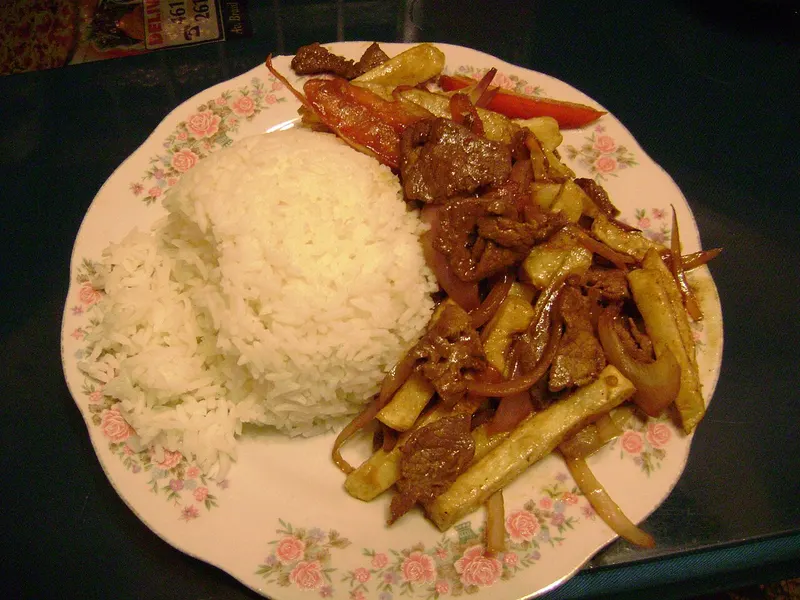
Cusco's Holy Week has its own table as well as its own processions. The tradition centres on a meatless Holy Thursday meal built around twelve dishes — a number that echoes the twelve apostles — that many families and restaurants prepare across the city. Soups, stuffed peppers, fish, beans, salads and a sequence of small plates make up a long, slow, communal meal, and it's one of the most rewarding ways to taste the festival rather than only watch it. Look for restaurants advertising the twelve-dish menu in the days around Holy Thursday, and book ahead — the good ones fill fast in a week when the whole city is eating out.

The weather you'll actually get
Holy Week sits near the end of the Andean wet season, which gives it a very different feel from the bright, hard-skied June festivals. Expect a greener, lusher Cusco and Sacred Valley, cooler and cloudier days, and a real possibility of rain — sometimes a brief afternoon downpour, sometimes longer spells. It is rarely a washout, and the green-season light can be beautiful, but you plan around the chance of weather rather than against it. Pack a proper waterproof, quick-dry layers and footwear that copes with wet cobbles, and aim for an early entry slot on your citadel day to catch the clearer morning.
That same late-wet-season timing carries a second, quieter consideration: the heavy rains earlier in the season can leave the steep slopes above the rail corridor unstable, so the train through the Urubamba gorge to Aguas Calientes occasionally faces delays or precautionary closures. It's far less likely than at the height of the rains, but it argues for a buffer day in the schedule, especially if you have an onward flight to catch.
- Late wet season: greener, cloudier, cooler, with a genuine chance of rain.
- Pack serious rain gear and grippy footwear; chase an early, clearer entry slot.
- Lingering rains can still affect the gorge railway — build in a buffer day.

The catch: a national holiday meets your citadel plan
Semana Santa is not only a festival; it is one of Peru's big public holidays, and that changes the maths of a Machu Picchu trip. Peruvians travel in large numbers during Holy Week, which means the trains to Aguas Calientes, the timed-entry citadel tickets and the Cusco hotels all see a sharp spike in demand on top of the international visitors already in town. Central Cusco rooms near the Plaza de Armas — exactly where you want to be for the Holy Monday procession — book up early and command higher rates, and the popular morning citadel slots and add-on peaks go first.
The defence is the same discipline that serves any peak window, applied earlier than you'd think necessary. Reserve the citadel ticket first, then the train and your night in Aguas Calientes, then your festival-week Cusco hotel — weeks or months ahead. Separate your Holy Monday in the plaza from your citadel day, so a long, crowded evening of processions doesn't collide with a pre-dawn train and a fixed entry slot. If a plaza-side room is gone, a base in San Blas or just off the square keeps the festival within walking reach while you sleep a little quieter.
- Holy Week is a Peruvian public holiday — domestic travel pushes trains, tickets and hotels harder.
- Book the citadel ticket first, then the train, then the festival-week hotel — all well ahead.
- Keep Holy Monday and your citadel day on separate days to avoid a procession-versus-early-train clash.
- No plaza-side room? San Blas keeps you walkable to the processions and a touch calmer.

Frequently asked
The questions that come up most when travellers try to fit Holy Week and the citadel into the same trip.
- When exactly is Semana Santa? It's the week before Easter Sunday, a moveable feast usually in late March or April — verify the dates for your travel year.
- Is Machu Picchu open during Holy Week? Yes — the citadel stays open; it's the trains, tickets and hotels that come under extra pressure from the holiday.
- Will it rain? Quite possibly — it's the late wet season. Pack proper rain gear and aim for an early entry slot for the best shot at a clear view.
- Do I need tickets for the processions? No — they happen in public around the Plaza de Armas. Arrive early for a good sightline.
- Should I book further ahead than usual? Yes — Holy Week's domestic-holiday demand means booking the citadel ticket, train and hotel earlier than a normal week.

The Semana Santa verdict
If your dates land in Holy Week, lean in. Semana Santa shows you the most heartfelt face of Cusco — the red-flower rain over the Señor de los Temblores is a sight you won't forget — and it happens in the city you'd base yourself in anyway. The price is forward planning against a national-holiday spike and late-wet-season weather: book the citadel ticket, train and a central hotel earlier than feels necessary, pack for rain, keep a buffer day, and separate your Holy Monday from your entry slot. Do that, and you come home with both the citadel and one of the Andes' most moving festivals woven into the same trip.

Related guides

Best Time to Visit Machu Picchu
Two Andean seasons, not four — a full month-by-month guide to weather, crowds, ticket urgency, trains, treks and altitude, so you can pick the dates that fit the trip you actually want.
Read guide
Where to stay in Cusco
A neighbourhood-by-neighbourhood guide to basing in Cusco before Machu Picchu — weighing altitude comfort, charm, walkability, station and airport access, and which area suits families, couples, luxury and budget travellers.
Read guide
Cusco: Your Base for Machu Picchu
The old Inca capital at 3,399 m is where every Machu Picchu trip begins — where to stay, how to acclimatize, what to see on a gentle first day, and how to stage the train down to the citadel.
Read guideMore in By month
6
Christmas & New Year
Visiting Machu Picchu over the festive season — the holiday demand spike that meets wet-season weather, the booking windows, the Cusco festivities, and how to make a green, atmospheric, lower-crowd Christmas trip work.
Read guide
Corpus Christi in Cusco
Cusco's grandest Catholic-Andean festival — fifteen saints and virgins carried into the Plaza de Armas, the food, the crowds, and how to fold it into a Machu Picchu trip without losing your hotel or your slot.
Read guide
Machu Picchu in February
February at Machu Picchu — the wettest month, the annual Inca Trail closure, the highest disruption risk of the year, and the flexible, buffer-heavy planning that makes a green-season visit work.
Read guide
Machu Picchu in January
January at Machu Picchu — deep rains and deeper greens, the thinnest crowds of the year, real landslide and train risk, and the flexible, buffer-built strategy that makes the green season work.
Read guide
Machu Picchu in March
March at Machu Picchu — the late rains easing, the Inca Trail reopening after its February closure, terraces at their greenest, and the shoulder-season value that makes this an underrated month to visit.
Read guide
Santurantikuy in Cusco
Cusco's vast Christmas Eve craft fair, one of the largest in the Andes — the figures, the Niño Manuelito, the wet-season cold and crowds, and how to weave a festive market day into a Machu Picchu trip.
Read guide