
What to Eat in Cusco & the Sacred Valley
A field guide to eating across the highlands before Machu Picchu — the Andean staples, the national greats, coca tea, alpaca, the rainbow of corn and potatoes, the markets and farm-tables of the valley, and what to eat (and avoid) on altitude days.

Photo: Ashim D’Silva / Unsplash
- ✓Two larders, one trip: Cusco's old-capital kitchens and the Sacred Valley's farm-tables and markets, both built on the same Andean ingredients.
- ✓Eat for the altitude first — warm, light, brothy food (quinoa soup, choclo, trout) sits far better than heavy meat and booze while you acclimatize.
- ✓The cast to know: lomo saltado, ají de gallina, cuy, alpaca, trucha, chairo, quinoa soup, choclo con queso, and the dozens of native potatoes the Andes gave the world.
- ✓Drink wisely: mate de coca and chicha morada do the gentle work; pisco sours and Peruvian wine are best saved for once you've found your feet.
One cuisine, two stages
The food you'll eat on a Machu Picchu trip is, at heart, a single highland cuisine served in two settings. Cusco — the old Inca capital at 3,399 m — is where Peru's national dishes meet the city's celebrated modern kitchens, from working market stalls to candlelit Novoandina dining rooms. The Sacred Valley, lower and warmer along the Río Urubamba, is the larder itself: this is where the corn, the potatoes, the trout and the quinoa actually come from, and where farm-to-table lunches and Sunday markets put them on the plate within sight of the fields. Between the two, you can eat your way through the whole Andean story in a few unhurried days.
What ties them together is altitude and ingredient. Andean cooking evolved in thin, cold air, so it leans on warming soups, hearty grains, lean highland meats and an astonishing diversity of potatoes and corn. That heritage happens to be exactly what your acclimatizing body wants, which is why the smartest way to read any menu here is to think about how you'll feel afterwards, not just how it tastes. Get that right and food becomes one of the great quiet pleasures of the trip — a romantic dinner in San Blas, a bowl of soup at a market stall, a trout lunch on a terrace above the valley.
Eat for the altitude on day one
The first lesson of eating in the highlands isn't a dish — it's restraint. You'll arrive in Cusco higher than the citadel you've come to see, and your body will spend its first day or two adjusting to the thin air. Heavy, fatty, alcohol-soaked meals on that first night are the surest way to turn ordinary acclimatization into a queasy, headachey one. So on arrival, eat warm and eat light, and let the highlands' own comfort food do the work: a brothy quinoa soup, a plate of choclo with fresh cheese, a simple trucha (trout) rather than a slab of red meat.
Andean cooking is conveniently built for exactly this. The grain soups, the gentle chairo, the steamed corn — these are the dishes the mountains evolved to eat at altitude, and they treat newcomers kindly. Save the ceremonial cuy, the big alpaca steaks and the celebratory pisco sours for your second or third evening, once you've found your footing. Drinking plenty of water and going easy on alcohol the first night matters more than any specific food choice; altitude amplifies booze, so a single pisco sour at 3,399 m hits like two at sea level.
- Day one: warm, light, brothy — quinoa soup, choclo con queso, trout, small plates.
- Hold off on cuy, big alpaca steaks and heavy fried food until you've acclimatized.
- Mate de coca (coca-leaf tea) is the local altitude standby — sip it freely.
- Hydrate hard and go gently on alcohol the first night; it hits harder up here.

The dishes to know
Peruvian food is justly celebrated, and the highlands serve both the national greatest hits and specialities you won't meet on the coast. A short field guide so you can read a menu like a local — and pick the right dish for how acclimatized you are.
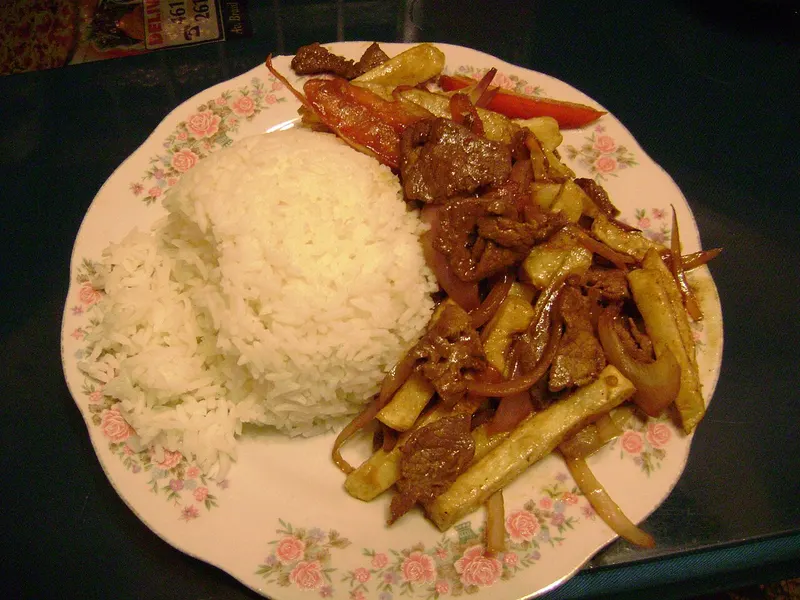
- Lomo saltado — beef stir-fried with onion, tomato and ají, served with chips and rice. The national comfort dish and a safe, satisfying choice any night.
- Ají de gallina — shredded chicken in a creamy, mildly spicy yellow-pepper sauce. Gentle and warming, good for early days.
- Cuy (guinea pig) — the Andean ceremonial dish, traditionally roasted whole. A genuine local rite of passage; order it once you've settled.
- Alpaca — lean, tender, faintly sweet red meat, served as steak or skewers. A highland speciality worth seeking out.
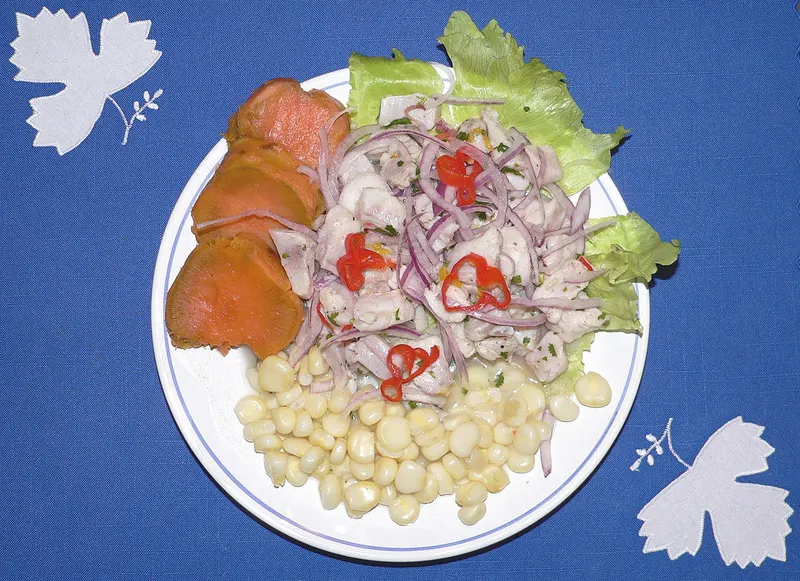
- Trucha (trout) — farmed in the cold Urubamba and valley streams; light, fresh and a perfect altitude-friendly main.
- Quinoa soup & chairo — brothy grain-and-vegetable soups built for the cold and the thin air. Start your trip here.
- Choclo con queso — fat-kernelled Andean corn with a slab of fresh white cheese; the classic market and roadside snack.
- Rocoto relleno, causa & papa a la huancaína — stuffed hot pepper and cold layered-potato dishes that show off Peru's range.
- Native potatoes — the Andes gave the world the potato, and the markets here carry dozens of colours and textures, often freeze-dried into chuño you'll find in stews.
Cusco: markets, cafés and the special dinner
In Cusco the food runs the full spectrum within a few walkable blocks. Begin at the Mercado Central de San Pedro, the working market downhill from the Plaza de Armas, where the city actually shops — fruit-juice stalls that will blend almost anything, soup counters, mountains of native potatoes and unfamiliar Andean fruit. It's one of the gentlest, most charming low-effort mornings of the whole trip, which is exactly what an acclimatizing body wants. Order a juice, graze the stalls, watch your bag, and don't over-order; the portions are generous.
From there the city climbs into cafés and the artistic San Blas quarter. Peru grows superb coffee in the nearby cloud forests, and a slow breakfast of eggs, fresh bread, fruit and good coffee is the ideal acclimatization ritual. And Cusco is where Peru's Novoandina movement — modern cooking built on ancient highland ingredients — shows off, lifting native potatoes, quinoa, river trout and alpaca into beautifully plated tasting menus. For couples, this is the trip's natural place for one memorable, candlelit dinner; the best rooms fill in dry season, so book ahead.


The Sacred Valley: farm-tables, markets and the source
Drop into the Sacred Valley and the food gets closer to the ground. This warmer, lower stretch of the Urubamba is the breadbasket the Inca prized — the place where the corn grows fattest and the potatoes come in every colour — and the eating reflects it. Picturesque farm-to-table lunches sit among the fields and terraces, serving trout from valley streams, just-picked vegetables and the giant white-kernelled corn the valley is famous for. After a morning at the ruins of Pisac or Ollantaytambo, a long, unhurried valley lunch is one of the trip's quiet highlights.
The markets are the other half of the story. Pisac's famous market spills over with produce, breads and the herbal teas of the highlands; the salt terraces of Maras have, for centuries, harvested the pink mineral salt you'll find seasoning your meals across the region. Eating in the valley is also kinder on the body than Cusco, because you're lower — many sensitive travellers find their appetite returns the moment they descend from the capital into the valley's gentler air.

What to drink
The drinks deserve their own paragraph. Pisco — the grape brandy at the heart of the pisco sour — is the national pour, and both Cusco and the valley mix a fine one; but altitude makes alcohol hit harder and faster, so go gently on your first night especially. Peruvian wine is a quietly good companion to a Novoandina dinner once you've adjusted, and craft beer has crept into Cusco's livelier bars.
The non-alcoholic side is just as rewarding, and far kinder while you acclimatize. Mate de coca (coca-leaf tea) is the highland standby that genuinely helps with the altitude and warms you against the cold nights. Chicha morada — a deep-purple, spiced drink made from native corn — is delicious, alcohol-free and everywhere. And there's chicha de jora, the lightly fermented traditional corn beer you'll see sold under red-flag markers in valley villages, for the curious. The fresh fruit juices at San Pedro and the valley markets are a meal's worth of refreshment on their own.
- Mate de coca — coca-leaf tea, the local altitude remedy and comfort drink.
- Chicha morada — sweet, spiced purple-corn drink, alcohol-free and ubiquitous.
- Pisco sour — the national cocktail; superb, but ease in at altitude.
- Chicha de jora — traditional lightly fermented corn beer, for the curious.
- Peruvian wine — a good match for a special Novoandina dinner once you've adjusted.
Eating well, safely
A few practical notes so the food stays a joy. Stick to bottled or properly treated water, and be sensible with raw salads and unpeeled fruit in the first days while your system settles. Street and market food is part of the pleasure here — eat where it's busy, freshly cooked and turning over fast, and you'll be fine. If you have dietary needs, the highlands cope well: quinoa and potato dishes make naturally plant-based meals, vegetarian and vegan menus are common in the centre of Cusco, and Novoandina kitchens are used to accommodating.
One lovely, low-effort way to go deeper is a cooking class — a relaxed, indoor, rainy-day-friendly activity that doubles as gentle acclimatization and teaches you the dishes hands-on. As ever, the romantic dinners and the busiest valley farm-tables are worth reserving a day or two ahead in high season. Specific prices, hours and reservations change, so confirm them locally; the dishes and customs here are evergreen.
At a glance
The highland eating essentials in one card. Dishes and customs are evergreen; verify specific restaurant hours, prices and reservations locally.
- Day one: eat warm and light — quinoa soup, choclo, trout. Save cuy and big steaks for later.
- Cusco: start at San Pedro market; Novoandina dinner for a special night; superb coffee for breakfast.
- Sacred Valley: farm-to-table trout lunches, Pisac market produce, Maras salt seasoning everything.
- Local stars: lomo saltado, ají de gallina, alpaca, cuy, trucha, chairo, choclo con queso.
- Drink: mate de coca and chicha morada freely; pisco sour and wine once acclimatized.
- Stay safe: bottled water, freshly cooked busy stalls, ease into raw salads.


Related guides
Cusco Food Guide
What and where to eat in Cusco before Machu Picchu — altitude-friendly dishes, the markets, the Andean staples, and the special dinners worth saving an evening for.
Read guide
Where to Eat in the Sacred Valley
A food guide to the Sacred Valley between Písac, Urubamba and Ollantaytambo — farm-to-table tables and tasting menus, the valley brewery, market lunches, trout and alpaca, and the practical notes that make eating here easy.
Read guide
San Pedro Market: Cusco's Sensory Heart
Cusco's main covered market — fresh-fruit juices, cheap set-lunch counters, chocolate and souvenirs, and a glorious first-day overload of colour, smell and altitude. How to visit well, eat safely and not get fleeced.
Read guideMore in Sacred Valley
6
Best Hotels in the Sacred Valley
A curated shortlist of where to sleep in the Sacred Valley before Machu Picchu — sorted by what each does best: shortest train day, gardens and acclimatization comfort, family space, honeymoon luxury and value.
Read guide
Chinchero: Weaving, Terraces & the High Plateau
The 'birthplace of the rainbow' on the plateau above the Sacred Valley — its living weaving tradition, the church built on Inca foundations, the terraces, the Sunday market, and how the new airport and a valley loop fit around it.
Read guide
Family Hotels in the Sacred Valley
Where families should sleep in the Sacred Valley before Machu Picchu — garden resorts with lawns and pools, family rooms, easy meals, low-altitude comfort and smooth train-day logistics.
Read guide
Hiring a Private Driver in the Sacred Valley
When a private driver beats a group tour in the Sacred Valley — the flexibility, the off-road plateau sites, families and luggage, citadel-morning transfers, and realistic route ideas with honest timing.
Read guide
Luxury Sacred Valley Hotels
The Sacred Valley's high-end lodges, spa retreats and honeymoon bases — destination hotels where pampering doubles as low-altitude acclimatization before Machu Picchu.
Read guide
Maras & Moray: A Half-Day Route
A practical half-day plan for combining Moray's circular Inca terraces and the Maras salt pans — from Cusco or a Sacred Valley base. Transport options compared, the best order, timing for light and crowds, tickets, altitude notes and how to add it to a bigger valley day.
Read guide