
San Pedro Market: Cusco's Sensory Heart
Cusco's main covered market — fresh-fruit juices, cheap set-lunch counters, chocolate and souvenirs, and a glorious first-day overload of colour, smell and altitude. How to visit well, eat safely and not get fleeced.

- ✓Mercado de San Pedro is Cusco's main covered market — produce, juices, street food, chocolate, textiles and souvenirs all under one historic iron roof.
- ✓The juice stalls are the headline act: vast glasses of fresh fruit blended to order, and a row of cheap, filling set-lunch (menú) counters behind them.
- ✓It's a few blocks downhill from the Plaza de Armas — flat, walkable and easy on a first acclimatizing day, if a touch of sensory overload.
- ✓Bring small change, watch your bag in the crowds, and choose busy food stalls with high turnover for the safest, freshest eating.
Step into the city's pantry
Every Andean town runs on its market, and Cusco's is the Mercado Central de San Pedro — a great hall under a glass-and-iron roof, a short walk downhill from the Plaza de Armas. Step through the doors and the city arrives all at once: pyramids of tropical fruit, sacks of a dozen kinds of potato and corn, hanging sides of meat, towers of bread, walls of woven textiles, and the warm, layered smell of soup, citrus and herbs. It is loud, bright, cheap and entirely real — the working heart of Cusco, not a show put on for visitors, even if plenty of visitors find their way here.
For a traveller fresh off the plane, it's also a gentle, flat, indoor introduction to Andean life at the exact moment your body is busy adjusting to the altitude. You don't have to buy anything. Wander the aisles, let the colour and noise wash over you, watch the vendors in their bright pollera skirts and bowler hats, and you've had one of the most memorable hours in Cusco for the price of a juice.

What to eat and drink
Start with the juice stalls — they're the market's signature. A whole row of vendors will blend you an enormous glass of fresh fruit to order: papaya, mango, maracuyá (passion fruit), the tangy granadilla, or a 'special' that throws half a dozen fruits together. They're cheap, delicious, and a vivid first taste of Peru. Behind and around the juices run the menú counters — simple food stalls serving a set lunch of soup followed by a main for a few soles, the way most working Cusqueños eat midday.
Beyond that the market is a tasting tour of the Andean larder: rounds of fresh cheese, local chocolate and cacao, dozens of potato and maize varieties, breads, olives, and stacks of herbs and remedies. It's the best place in town to understand what you'll later be served in a restaurant — and to grab snacks for the train down to the citadel. Eat where the locals queue: high turnover means fresher food.
- Fresh-fruit juices blended to order — the market's must-try, and very cheap.
- Menú counters: a set soup-and-main lunch for a few soles, the local way to eat at midday.
- Cheese, chocolate, breads and a stunning range of Andean potatoes and corn to browse.
- Snacks and fruit to take on the long train or trek down to Aguas Calientes.
Souvenirs, textiles and the art of the haggle
Around the edges of the food halls, San Pedro shades into a souvenir market: alpaca (and 'alpaca') jumpers and scarves, woven blankets, ponchos, hats, jewellery and the usual run of trinkets. Prices are generally better here than in the polished shops around the Plaza de Armas, and gentle bargaining is expected — ask the price, offer a bit less, settle somewhere in between, and keep it good-humoured. For genuine high-quality weaving you may do better at a dedicated artisan cooperative, but for cheerful, affordable bits and pieces the market is hard to beat.
A word on the alpaca question: much of what's sold as 'baby alpaca' is a blend, and that's fine if the price matches. Real, fine alpaca is soft and warm and costs accordingly; if it's suspiciously cheap, it's probably acrylic. Buy what you like at a price you're happy with and don't overthink the label.
At a glance
A quick reference before you go. Opening hours, exactly which stalls trade on which days, and prices all shift over time, so treat this as evergreen guidance and confirm locally. The market is free to enter — you only pay for what you eat or buy.
- What it is: Cusco's main covered market — food, produce, juices, set lunches, textiles and souvenirs.
- Where: a few blocks downhill from the Plaza de Armas, near the San Pedro church and train station — flat and walkable.
- Cost: free to enter; juices and a menú lunch cost only a handful of soles — verify current prices.
- Best time: mornings are freshest and liveliest; it quietens later in the day.
- Bring: small change in soles, a watchful eye on your bag, and an appetite.
Visiting well: safety, money and altitude
San Pedro is welcoming but it's a busy, crowded market, so use ordinary big-market sense: keep your bag zipped and in front of you, don't flash a fat wallet, and watch your pockets in the tight aisles. Carry small notes and coins — vendors won't love breaking a large bill for a glass of juice. Many stalls now take card, but cash is king. A few vendors charge a small fee to photograph them; ask first, and it's polite to buy something if you're lingering at a stall.
On the food: a fresh juice or a busy menú counter is a delight, and the turnover at the popular stalls is your best safety net. If your stomach is still settling into Peru and the altitude, ease in gently rather than diving into the most adventurous dish on day one. And remember Cusco sits at 3,399 m — the market is flat and easy, which is exactly why it's such a good first-day outing while you're still acclimatizing for the trip down to Machu Picchu.
- Keep your bag in front of you and carry small change; cash beats card here.
- Eat at busy stalls with high turnover; ease into adventurous dishes if your stomach is still adjusting.
- Ask before photographing vendors — and consider buying something if you do.
The Andean larder, decoded
Half the pleasure of San Pedro is learning to read the produce, because almost everything you'll be served in Cusco's restaurants starts here as a raw ingredient. The Andes are the original home of the potato, and the market makes the point with a humbling spread: dozens upon dozens of varieties, from waxy yellows to inky purples, alongside chuño and moraya — potatoes freeze-dried by the old Andean method of leaving them out in the high-altitude night frost. Beside them stand towers of corn, including the giant-kernelled choclo and the dark purple maize that's boiled into chicha morada, the deep-violet spiced drink you'll grow to love.
Then there are the things you'll only find this side of the Andes: lucuma, the dry, custardy fruit that flavours half the desserts in Peru; the dragon-fruity pitahaya; sacks of quinoa and other ancient grains; bundles of muña, the local mint used for soothing stomach and altitude; and, of course, the coca leaf, sold by the bagful for the tea that takes the edge off the thin air. Even if you buy nothing, walking the produce aisles slowly is the single fastest way to understand what Peruvian food actually is.
- Dozens of potato varieties, plus freeze-dried chuño and moraya — the Andes' founding crop.
- Choclo (giant corn) and purple maize for chicha morada, the violet spiced drink.
- Lucuma, pitahaya and other fruits you'll meet again in juices and desserts.
- Muña (Andean mint) and coca leaf — the local remedies for stomach and altitude.

Related guides
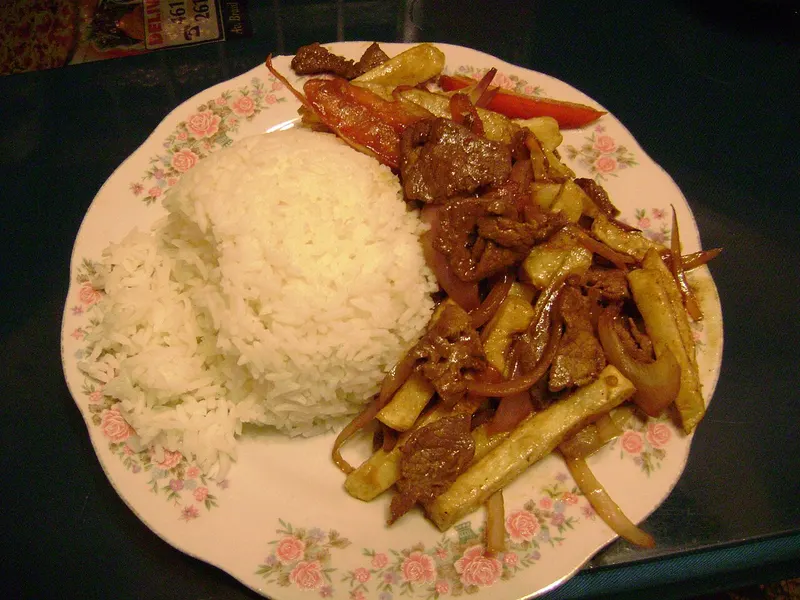
Cusco Food Guide
What and where to eat in Cusco before Machu Picchu — altitude-friendly dishes, the markets, the Andean staples, and the special dinners worth saving an evening for.
Read guide
Best Cafés in Cusco
Where to take coffee, breakfast and a gentle acclimatization morning in Cusco — the plaza spots, the San Blas hideaways and the quieter local lanes, mapped for couples easing into the altitude.
Read guide
Machu Picchu on a Budget: The Cheaper Way In
A lower-cost Machu Picchu itinerary staging via Ollantaytambo or the long Hidroeléctrica route, with budget hotels, market food and honest tradeoffs — without pretending the one truly fixed cost, the entry ticket, is optional.
Read guideMore in Cusco Base
6
Best hotels in Cusco
How to choose well among Cusco's hotels for a Machu Picchu trip — judged not on stars alone but on altitude comfort, location and walkability, character, family fit, and how cleanly they set up the onward journey to the citadel.
Read guide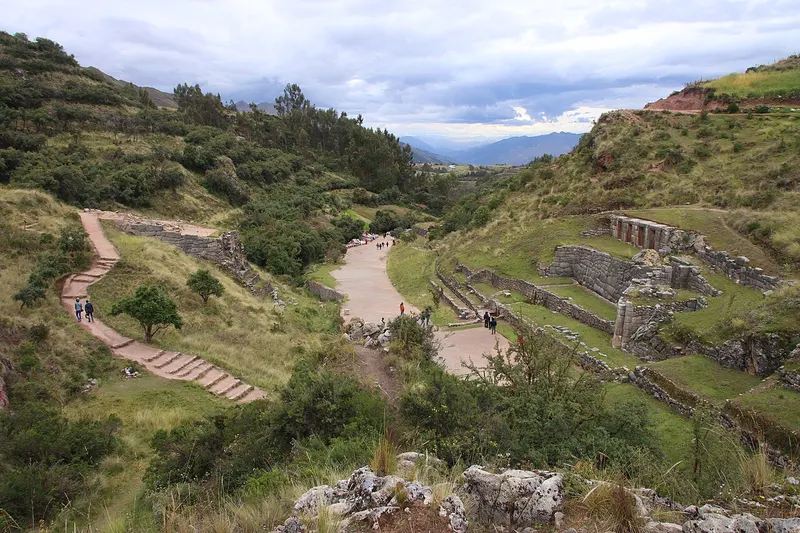
Boleto Turístico del Cusco
How the COSITUC Boleto Turístico works — the combined pass that covers Sacsayhuamán, Pisac, Ollantaytambo, Moray, the Maras–style sites and a clutch of Cusco museums — and when it's actually worth buying.
Read guide
Budget hotels in Cusco
How to sleep well in Cusco for less before Machu Picchu — value hotels, guesthouses and hostels, where the cheaper rooms cluster, and the few things never to scrimp on at 3,399 m.
Read guide
Cusco & Machu Picchu Costs
A realistic way to think about the money — the fixed citadel ticket, the train that dominates the budget, buses, guides, food and the trek add-ons — and where the costs hide.
Read guide
Cusco acclimatization & altitude
How to land soft in Cusco at 3,399 m: reading soroche, pacing your first day, what to eat and drink, the easy activities that help, and when to simply rest before Machu Picchu.
Read guide
Cusco Cathedral: The Plaza de Armas Centrepiece
The great colonial cathedral on Cusco's Plaza de Armas — built on Inca foundations, hung with Cusco School paintings, and home to the famous guinea-pig Last Supper. Tickets, art, dress code and how it fits a first acclimatizing day.
Read guide