
Budget food in Aguas Calientes
How to eat well for less in Aguas Calientes (Machu Picchu Pueblo) — bakeries and set menús, market snacks, an early breakfast before the bus, and where the captive-market markups hide.
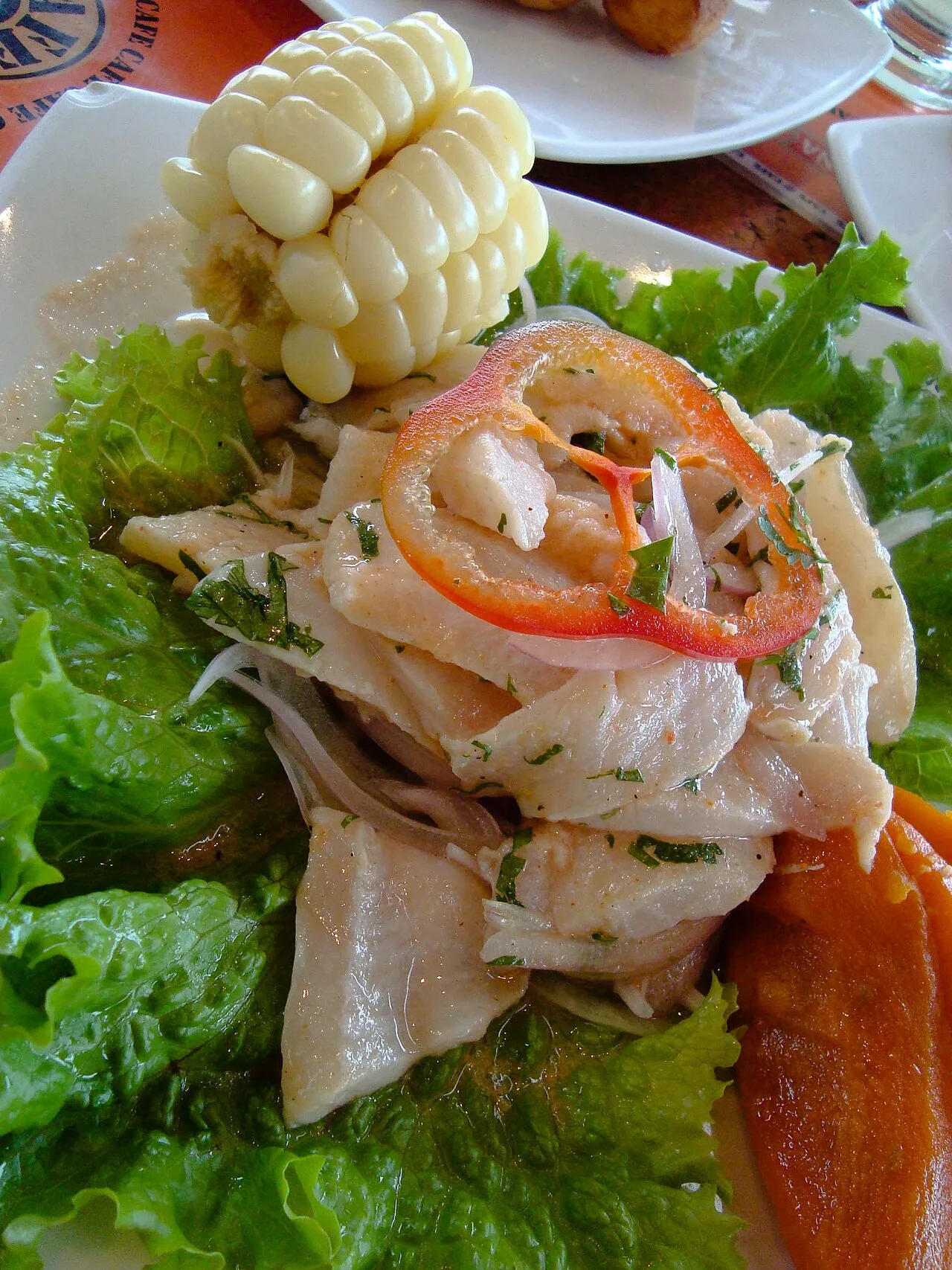
Photo: CEllen / Wikimedia Commons · CC BY-SA 4.0
- ✓Aguas Calientes is a captive market — almost everything arrives by train, so prices run higher than Cusco; the trick is knowing where the value hides.
- ✓The fixed-price menú del día (a set lunch of soup, main and a drink) is the single best-value meal in town.
- ✓Bakeries (panaderías) cover breakfast, the pre-bus snack and the pocket-able lunch for the citadel far cheaper than a sit-down restaurant.
- ✓Carry your own refillable water and a few snacks bought back in Cusco or Ollantaytambo — the markup on bottled drinks and trail bars is steepest here.
Eating at the foot of the mountain, for less
Aguas Calientes — officially Machu Picchu Pueblo — is a town with one purpose and one captive audience. It is wedged into a cloud-forest gorge where the Río Vilcanota roars through, reachable only by train or on foot, which means nearly everything you eat here has been carried in on the same rails that brought you. That logistics tax shows up on the menu: a plate that costs little in Cusco can cost noticeably more once it has ridden the gorge. None of that has to wreck a budget. The town has a genuine, unglamorous food economy underneath the touts and the laminated tourist menus, and once you can see it, you eat well for a fraction of what the restaurant row on the Avenida Pachacútec quietly hopes you will spend.
The romance of Aguas Calientes is real — eating warm bread in the dark before the first bus, the river loud against the windows, the mountains invisible above you in the mist — and it costs almost nothing. This guide is about finding that version of the town: the bakeries, the set-lunch counters, the market stalls and the small habits (bring your own water, snack from Cusco) that keep the food budget sane so you can spend on the things that can't be done cheaply, like the ticket and the train.
At a glance
The shape of eating cheap here, before the details. Prices are deliberately left out — they drift, and Aguas Calientes is more volatile than most — so treat this as the playbook rather than a price list, and check current costs on the spot.
- Best-value meal: the menú del día — a fixed-price set lunch (often soup, a main, a drink) at a small restaurant or comedor.
- Cheapest breakfast: a bakery (panadería) — bread, empanadas, coffee — open early, before the bus.
- Citadel lunch: a packed sandwich or empanadas from a bakery, eaten outside the gate (food is restricted inside).
- Carry in: a refillable water bottle and snacks bought in Cusco or Ollantaytambo, where they cost far less.
- Most marked-up: bottled water, soft drinks, beer, and anything branded for trekkers.
- Where the value clusters: the streets back from the main tourist strip, and the small market by the station.
Why is food expensive here — and where does the value hide?
It helps to understand the economics, because they tell you exactly where to look. There is no road into Aguas Calientes; produce, gas, bottled drinks and most ingredients come up the line by train and are then hauled by hand or hand-cart through the narrow streets. Every restaurant pays that freight, and the ones on the prime tourist frontage — the bridge, the bottom of Pachacútec, the square — also pay for the location and the touts who reel diners in. Those are the places with the multilingual laminated menus and the staff calling 'amigo, pizza, lomo saltado!' as you pass. They are not a rip-off exactly, but they are the most expensive version of the town.
The value sits one or two streets back, and in the meals locals and guides actually eat. The further you walk from the river bridge and the rail line, the more the prices soften and the more you see a different clientele: porters, drivers, day-trippers in the know. The same dishes — lomo saltado, trucha (river trout), soups — appear for less. The single most reliable saving, though, is structural rather than geographic: order the set menu rather than à la carte, and shop the bakeries and market for everything that doesn't need a table.
The menú del día: the best-value plate in town
If you eat one proper sit-down meal in Aguas Calientes, make it lunch, and make it a menú del día. This Peruvian institution — a fixed-price set lunch — is the backbone of cheap, decent eating all over the country, and it survives even here. For a single flat price you typically get a starter or soup, a main course (often with a couple of options like chicken, trout or a stir-fry), and sometimes a drink or a small dessert. It is filling, it is hot, and it is a fraction of what the same components would cost ordered separately from a tourist menu.
Look for the words 'menú' or 'menú del día' chalked on a board outside, usually on the smaller streets rather than the showpiece frontage, and usually at midday rather than dinner. The trout is a genuine local speciality worth ordering — the rivers here are farmed for it — and a steaming bowl of Andean soup is exactly right after a cold dawn on the mountain. Lunch is also when the set menus are cheapest and most plentiful; by dinner the town tilts back toward à la carte tourist pricing, so front-load your big meal to the middle of the day.
- Hunt the chalkboards: 'menú' or 'menú del día' means a fixed-price multi-course set meal.
- It's a lunchtime thing — best value and most widely offered at midday.
- Trout (trucha) and hearty soups are local, satisfying and usually included as options.
- Walk back from the river and the rail line to find the cheaper, less touristed kitchens.
Bakeries: breakfast, the pre-bus snack and a pocketed lunch
The humble panadería is the budget traveller's best friend in Aguas Calientes, because it solves three problems at once. First, breakfast: bakeries open early — well before the first shuttle bus grinds up the switchbacks — so you can grab fresh bread, an empanada and a coffee in the dark while the sit-down cafés are still shuttered or charging a small fortune for the same. Second, the pre-bus snack: something warm to eat in the queue when your body is awake far too early. Third, and most usefully, lunch for the citadel itself.
That last point matters because of a rule people forget until they're hungry on the mountain. Eating is restricted inside Machu Picchu — you are not meant to picnic among the ruins — so the practical play is to carry a small, discreet snack and a sandwich, and eat properly at the café and snack area outside the gate, or back down in town afterwards. A couple of bakery sandwiches or empanadas tucked in your daypack cover that midday gap for a sliver of the price of buying anything at the gate, where the captive-market markup peaks. Bread, empanadas, a banana and water from a panadería is a complete citadel lunch for next to nothing.
The market and street snacks
There is a small market near the train station — the kind of huddle of stalls every Peruvian town has — and it is worth a look for fruit, bread, basic provisions and a cheap plate of something hot. Market comedores (the no-frills food counters at the back of a market) serve the same set menus as the small restaurants, often for even less, because the overheads are lower and the crowd is local. It is not a refined experience, but it is honest, hot and cheap, and it is exactly where you want to be on a tight budget.
Around town you'll also find vendors selling fruit, juices, corn, and the occasional skewer or sweet. Buying loose fruit and bread to assemble your own breakfast or trail snacks is reliably the cheapest route of all. As ever, the closer to the river bridge and the tourist core you stand, the more you pay for the same banana; walk a couple of minutes uphill or toward the market and the price drops.
Water, drinks and the snacks to bring from Cusco
The steepest markup in Aguas Calientes is not on meals — it's on drinks. Bottled water, soft drinks and beer all carry the full freight tax and then the captive-market premium on top, and you will drink a lot of water at altitude and on the climb. The fix is simple and saves a surprising amount over a couple of days: carry a refillable bottle and fill it. Many hostels and hotels offer filtered or boiled water, and you avoid both the cost and the parade of single-use plastic that the Machu Picchu sanctuary is actively trying to reduce. Note the related point that the citadel discourages single-use plastic bottles, so a refillable is the responsible move as well as the thrifty one.
The other quiet saving is to do your snack shopping before you arrive. Trail bars, chocolate, nuts, biscuits and the like are far cheaper in a Cusco or Ollantaytambo supermarket than in Aguas Calientes, where they're priced for desperate trekkers. Buy a small stash on your way through and you'll cover the citadel day and the train ride without paying gorge prices for a chocolate bar. Combine that with bakery bread and a market lunch, and your daily food spend in the most expensive town on the route can come in well under what a single tourist-row dinner would cost.
- Bring a refillable water bottle and fill it at your accommodation — bottled water here is pricey and plastic is discouraged on the sanctuary.
- Buy trail snacks (bars, nuts, chocolate) in Cusco or Ollantaytambo, not in Aguas Calientes.
- Alcohol carries a heavy markup — a beer here costs well above Cusco prices.
- Hot drinks and coca tea are cheap comfort; many lodgings offer them free.

A simple cheap-eats day
Put it together and a budget food day around the citadel looks like this. Breakfast is a bakery run before the bus — bread, an empanada, coffee — eaten in the queue. Lunch is either a packed bakery sandwich on the mountain (you'll be glad of it) or a menú del día back in town once you're down, hot and cheap. The afternoon is fruit from the market and water from your refilled bottle. Dinner, if you want a treat, is a set menu or a shared plate of trout at one of the smaller kitchens off the main strip, with the saving from everything else spent guilt-free on something good.
The point isn't to eat joylessly — Aguas Calientes does have warm, friendly little restaurants and the trout really is worth ordering — it's to spend deliberately. Skip the laminated tourist menus on the bridge, lean on bakeries and set lunches, carry your own water and snacks, and the most expensive town on the Machu Picchu route stops being a budget problem and becomes a perfectly affordable place to rest, eat and stage for the mountain.

Related guides

Machu Picchu on a Budget: The Cheaper Way In
A lower-cost Machu Picchu itinerary staging via Ollantaytambo or the long Hidroeléctrica route, with budget hotels, market food and honest tradeoffs — without pretending the one truly fixed cost, the entry ticket, is optional.
Read guide
Aguas Calientes restaurants
Where and how to eat in the town below Machu Picchu — the early breakfast that makes a dawn entry possible, the warm lunch on the way down, the celebratory dinner, and how to time meals around late trains.
Read guide
Budget hotels in Aguas Calientes
How to sleep cheaply in the town below Machu Picchu without missing a train, a bus or your early entry — what a good budget room needs to get right, where the value sits, and the traps to dodge.
Read guideMore in Around the Site
6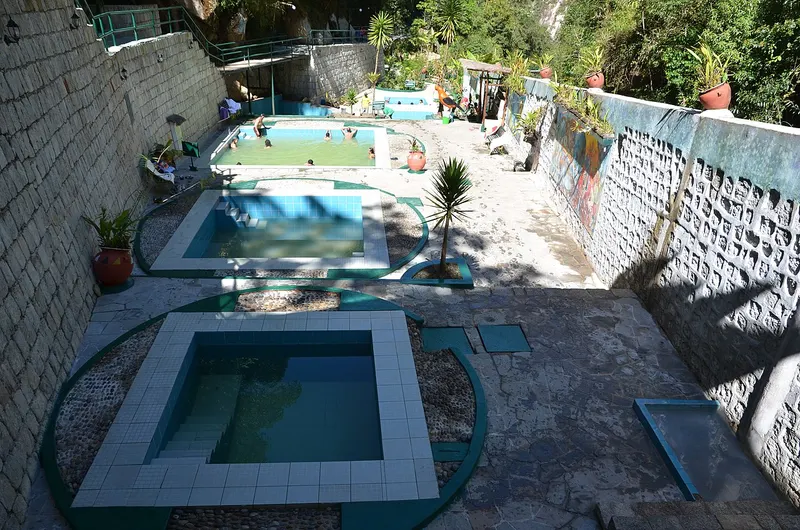
Aguas Calientes hot springs
The thermal baths that give Aguas Calientes its name — what to expect, when to go, what to bring, and whether they're worth a soak before or after the citadel or a long trek.
Read guideBelmond Sanctuary Lodge
The only hotel beside the Machu Picchu entrance gate — who should splurge on it, what its location genuinely buys you, and the things it does not solve. An honest look at the citadel's most coveted address.
Read guide
Best hotels in Aguas Calientes
How to choose well among the hotels of the town below Machu Picchu — judged not on stars alone but on bus-queue and station proximity, river views, family fit, early breakfasts, luxury and value, and how cleanly each one sets up the citadel morning.
Read guide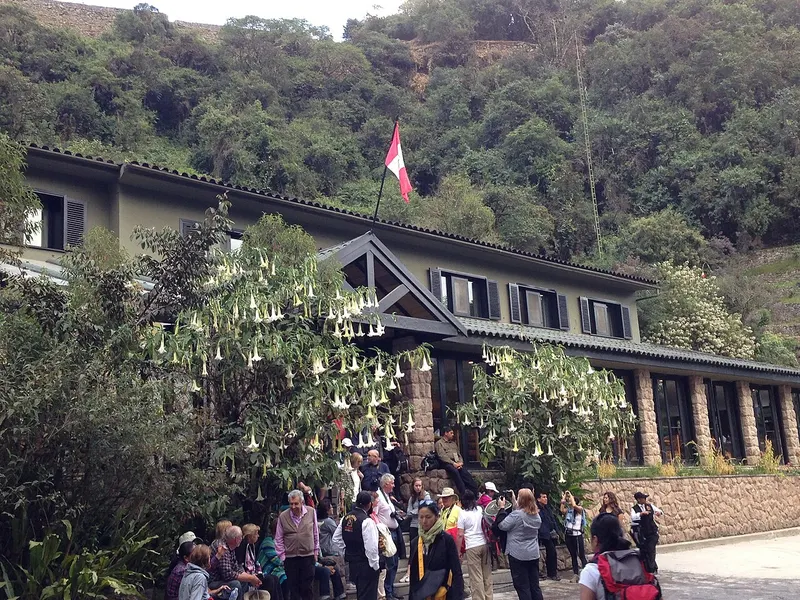
First-bus strategy
How the dawn shuttle-bus queue in Aguas Calientes really works, when catching the first bus is worth it, and how to match your effort to your timed entry slot without unnecessary pre-dawn stress.
Read guide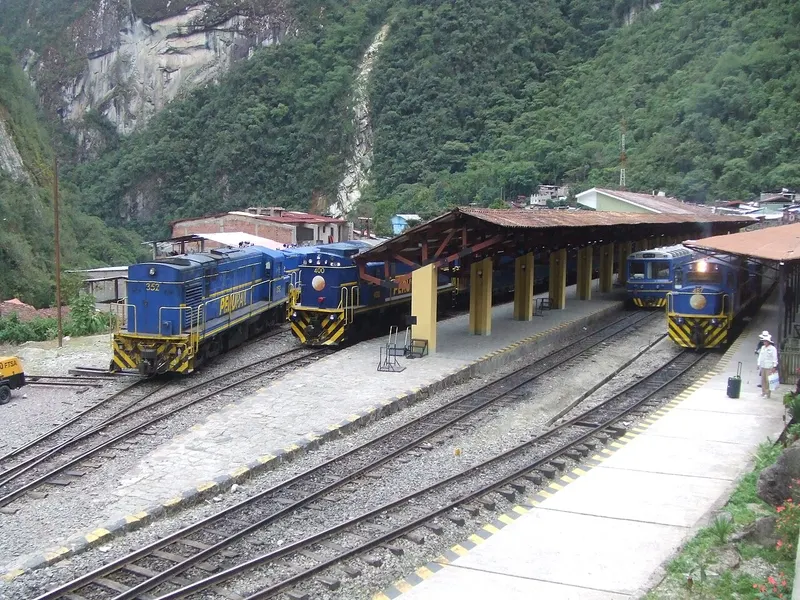
Machu Picchu Pueblo station
Arrival and departure flow at the Aguas Calientes (Machu Picchu Pueblo) train station — the craft-market exit, finding your hotel, the bus stop, luggage, and timing your train to avoid the station scrum.
Read guide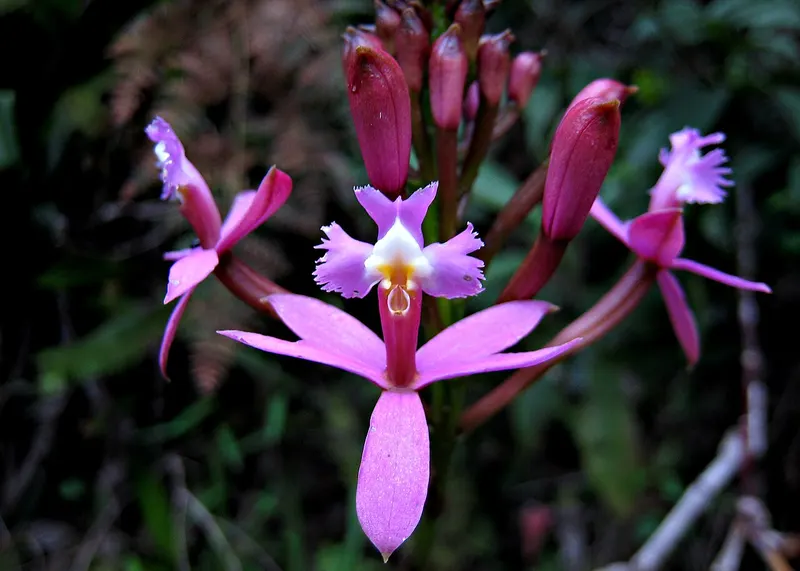
Mandor Gardens guide
A quiet cloud-forest walk along the railway from Aguas Calientes to the Mandor waterfall — orchids, birdlife and butterflies, and the perfect low-key extra day or rainy-citadel alternative.
Read guide