
Aguas Calientes restaurants
Where and how to eat in the town below Machu Picchu — the early breakfast that makes a dawn entry possible, the warm lunch on the way down, the celebratory dinner, and how to time meals around late trains.

Photo: Pirata Studio Film / Unsplash
- ✓Eating in Aguas Calientes is mostly about timing — the early breakfast that powers a dawn entry, and the late dinner that fits a train schedule — as much as about the food itself.
- ✓The town's restaurants cluster along the main pedestrian streets and the square; expect Andean staples, pizza, pasta and tourist-priced menus, with a few standouts.
- ✓The single most useful meal to plan is breakfast: many kitchens open too late for the first buses, so sort it the night before.
- ✓We name no prices and no specific opening hours: those move, so verify live and treat any figure as 'check on the day'.
Eating in a town built around a mountain
Aguas Calientes is not a culinary destination, and it would be misleading to sell it as one. It is a small, captive-market town in a river gorge, and its restaurants — clustered along the pedestrian streets, around the square and over the water — serve the steady stream of travellers heading up to or down from the citadel. What that means in practice is a lot of familiar comfort food: Andean staples, wood-fired pizza, pasta, soups and set tourist menus, at prices a notch above what you'd pay in Cusco, because everything has to come in by train. There are genuinely good meals to be had, but the smart traveller eats here for fuel and warmth and timing as much as for discovery.
And timing is the real subject. More than almost anywhere on the trip, when you eat in Aguas Calientes is shaped by the citadel's schedule and the trains. The breakfast that has to come before a pre-dawn bus, the warm lunch on the way back down, the dinner squeezed before or after a train — these are logistical meals first and pleasures second. Get the timing right and you eat well and on schedule; get it wrong and you climb the mountain hungry or miss your train waiting on a kitchen. This guide is organised around those meals and their timing, with a note on where the better food tends to be.

At a glance — the meals that matter
Three meals are worth planning deliberately in Aguas Calientes. The rest will sort themselves out.
- The early breakfast: the one that has to happen before the first buses — sort it the night before.
- The come-down meal: a warm lunch or late breakfast after the citadel, when you're tired and hungry.
- The celebratory dinner: the trip's emotional high point, often the night you arrive or the night before you leave.
- Train-timed meals: anything eaten with a departure looming — leave a buffer, kitchens can be slow.
- Self-catering backup: packed snacks for the gate, where food options are minimal and you can't rely on buying.
Breakfast before the bus: the meal to plan
If you take one piece of food advice from this page, make it this: sort breakfast before a dawn entry the night before. The first buses to the citadel climb in the pre-dawn dark, and most of the town's restaurants — and many hotel dining rooms — simply aren't open yet. Climb the mountain on an empty stomach and a long, demanding morning at altitude gets needlessly hard. The reliable solution is to have your hotel box a breakfast or serve early, which the better-organised places will do; failing that, pack something the night before from a shop, or scout which café, if any, opens early enough.
Don't assume you'll find a hot breakfast on the way to the bus queue at 4 or 5am — assume you won't, and plan around it. A boxed roll, fruit and something warm to drink, eaten in the queue or at the gate, is worth far more than a grand sit-down breakfast you don't have time for. Save the leisurely eggs for the morning you're not chasing the early bus. The travellers who climb to the citadel fed and steady are almost always the ones who decided where breakfast was coming from the evening before.
- Arrange it the night before — box a breakfast or confirm an early-serving spot.
- Don't count on cafés being open before the first buses.
- A warm drink and something portable beats a sit-down breakfast you can't fit in.
The come-down meal: lunch after the citadel
Coming back down from Machu Picchu, you arrive in town tired, often damp from the cloud forest, and properly hungry — and this is when a good warm meal lands best. The restaurants along the main streets and around the square fill through the early afternoon with returning visitors doing exactly this, and it's a fine time to sit, thaw out and refuel before your train. A hot soup — the Andean staples do this well — a plate of something hearty, a coca tea or a cold drink, and the morning's effort settles into a glow. After an early start and a steep mountain, you've earned it.
The one thing to watch is your train. If you have a fixed departure, leave a comfortable buffer between sitting down and needing to be on the platform, because kitchens here can be slow when the town fills with the post-citadel crowd. Order, relax, but keep an eye on the clock — better to finish unhurried with time to spare than to bolt a meal or skip it. If your train is tight, a quicker bite or a takeaway is the safer call, with the proper sit-down dinner saved for a less pressured evening.

The celebratory dinner
For many travellers the evening in Aguas Calientes is the trip's emotional high point — the meal that bookends the pilgrimage to the citadel, whether eaten the night you arrive in anticipation or the night before you leave in satisfaction. The town has a handful of warmer, more characterful restaurants — riverside terraces, candle-lit rooms, places that lean into Andean ingredients and Peruvian cooking with more care than the standard tourist menu — that suit the occasion. This is the meal worth spending a little more on and lingering over: pisco to toast with, a proper plate of something regional, the river running below.
Because the town is compact, you can wander the main streets and the square reading menus before you settle, which is half the pleasure. Look past the most aggressively touted spots — the touts on the main drag are not a reliable guide to quality — toward the places recent diners praise for actual cooking rather than just location. For a honeymoon, an anniversary or simply the glow of having stood on the terraces, the right dinner here is a lovely close to the day. Match it to your train and your energy: if you're leaving early the next morning, the arrival-night dinner may be the better celebration.
- Pick a warmer, characterful spot — riverside terrace or candle-lit room.
- Ignore the touts; trust recent reviews for cooking, not just location.
- Toast with a pisco sour and order something regional.
- Time it to your train and your energy — arrival night may beat departure night.


Eating well on a budget
Because everything arrives by train, Aguas Calientes runs a touch pricier than Cusco, and the captive market means the touristy spots on the main drag can charge for location over quality. The budget-conscious traveller does better a street back from the busiest frontage, and by leaning on the things that are good value anyway: a hot bowl of soup, a set menu del día where one is offered, a shared pizza, fruit and supplies from a shop for breakfast and the gate. You can eat perfectly well here without paying celebratory-dinner prices at every meal — save the splurge for one evening and keep the rest simple.
The same packed-snacks logic that helps your budget also helps your logistics: a little fruit, bread or chocolate carried up to the citadel covers the gap where food options are minimal and overpriced, and means you're not relying on finding something open at an awkward hour. Spend where the meal matters — the celebratory dinner, the warm come-down lunch — and economise on the functional fuel around them. Done that way, eating in the town stays affordable without ever feeling mean.
Practical notes worth knowing
A few things smooth the eating side of an Aguas Calientes stay. Carry some cash — small restaurants and shops don't all take cards reliably, and you don't want to discover that with a train to catch. Be wary of the touts working the main drag; their enthusiasm tracks commission, not cooking, so let recent reviews and a glance at who's actually eating there guide you instead. And remember the gorge has patchy connectivity, so screenshot any map or recommendation you want to rely on rather than assuming you'll look it up on the spot.
Above all, keep meals subordinate to the trip's fixed points. The timed citadel entry, the bus and the train run on their own schedule, and a meal should never be the reason you miss one of them. Leave buffers, sort the dawn breakfast the night before, and save the long, lingering dinner for an evening with no early start or imminent train behind it. Eat for warmth, fuel and the occasional celebration, plan the timing with a little care, and the town feeds you well enough to round out the pilgrimage.
- Carry cash — not every small place takes cards reliably.
- Ignore the touts; trust recent reviews and who's actually eating there.
- Screenshot maps and picks — the gorge has patchy signal.
- Never let a meal cost you the bus, the train or your entry slot.

Related guides
Aguas Calientes (Machu Picchu Pueblo): The Complete Guide
Aguas Calientes — officially Machu Picchu Pueblo — the cloud-forest town at the foot of the citadel. Where to sleep, how the trains and buses connect, the food, the hot springs, luggage, and how long to stay for a calmer entry.
Read guide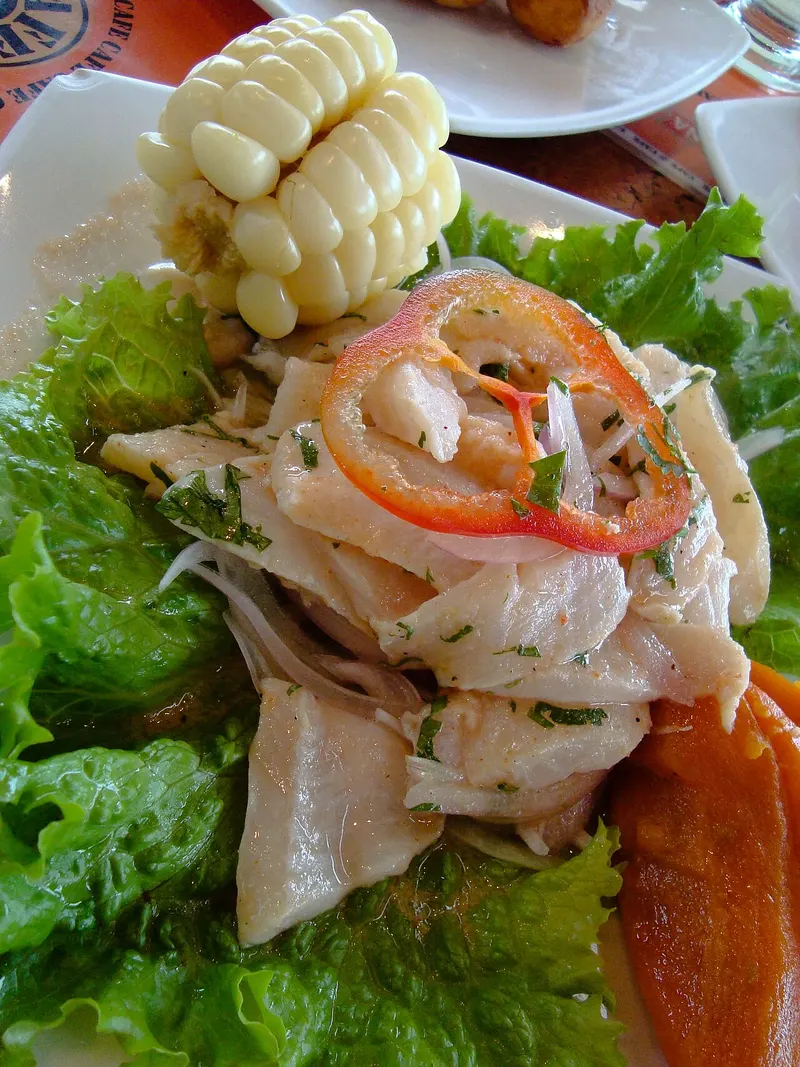
Budget food in Aguas Calientes
How to eat well for less in Aguas Calientes (Machu Picchu Pueblo) — bakeries and set menús, market snacks, an early breakfast before the bus, and where the captive-market markups hide.
Read guide
Where to stay in Aguas Calientes
How to choose a base in the little town below Machu Picchu — weighed not on stars but on how cleanly it gets you onto the first bus, off a late train, fed early, and settled for an altitude-friendly night before the citadel.
Read guideMore in Around the Site
6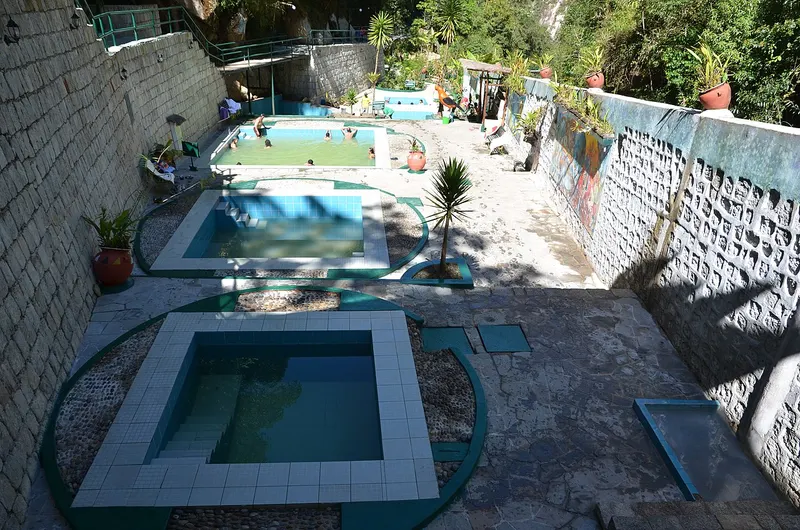
Aguas Calientes hot springs
The thermal baths that give Aguas Calientes its name — what to expect, when to go, what to bring, and whether they're worth a soak before or after the citadel or a long trek.
Read guideBelmond Sanctuary Lodge
The only hotel beside the Machu Picchu entrance gate — who should splurge on it, what its location genuinely buys you, and the things it does not solve. An honest look at the citadel's most coveted address.
Read guide
Best hotels in Aguas Calientes
How to choose well among the hotels of the town below Machu Picchu — judged not on stars alone but on bus-queue and station proximity, river views, family fit, early breakfasts, luxury and value, and how cleanly each one sets up the citadel morning.
Read guide
Budget hotels in Aguas Calientes
How to sleep cheaply in the town below Machu Picchu without missing a train, a bus or your early entry — what a good budget room needs to get right, where the value sits, and the traps to dodge.
Read guide
First-bus strategy
How the dawn shuttle-bus queue in Aguas Calientes really works, when catching the first bus is worth it, and how to match your effort to your timed entry slot without unnecessary pre-dawn stress.
Read guide
Machu Picchu Pueblo station
Arrival and departure flow at the Aguas Calientes (Machu Picchu Pueblo) train station — the craft-market exit, finding your hotel, the bus stop, luggage, and timing your train to avoid the station scrum.
Read guide