
Wiñay Wayna: The Inca Trail's Hidden Masterpiece
Wiñay Wayna — 'forever young' — the spectacular terraced ruin near the end of the Inca Trail, with its ritual fountains and cloud-forest setting. Why trekkers rank it above the citadel, and how it fits the classic and two-day routes.
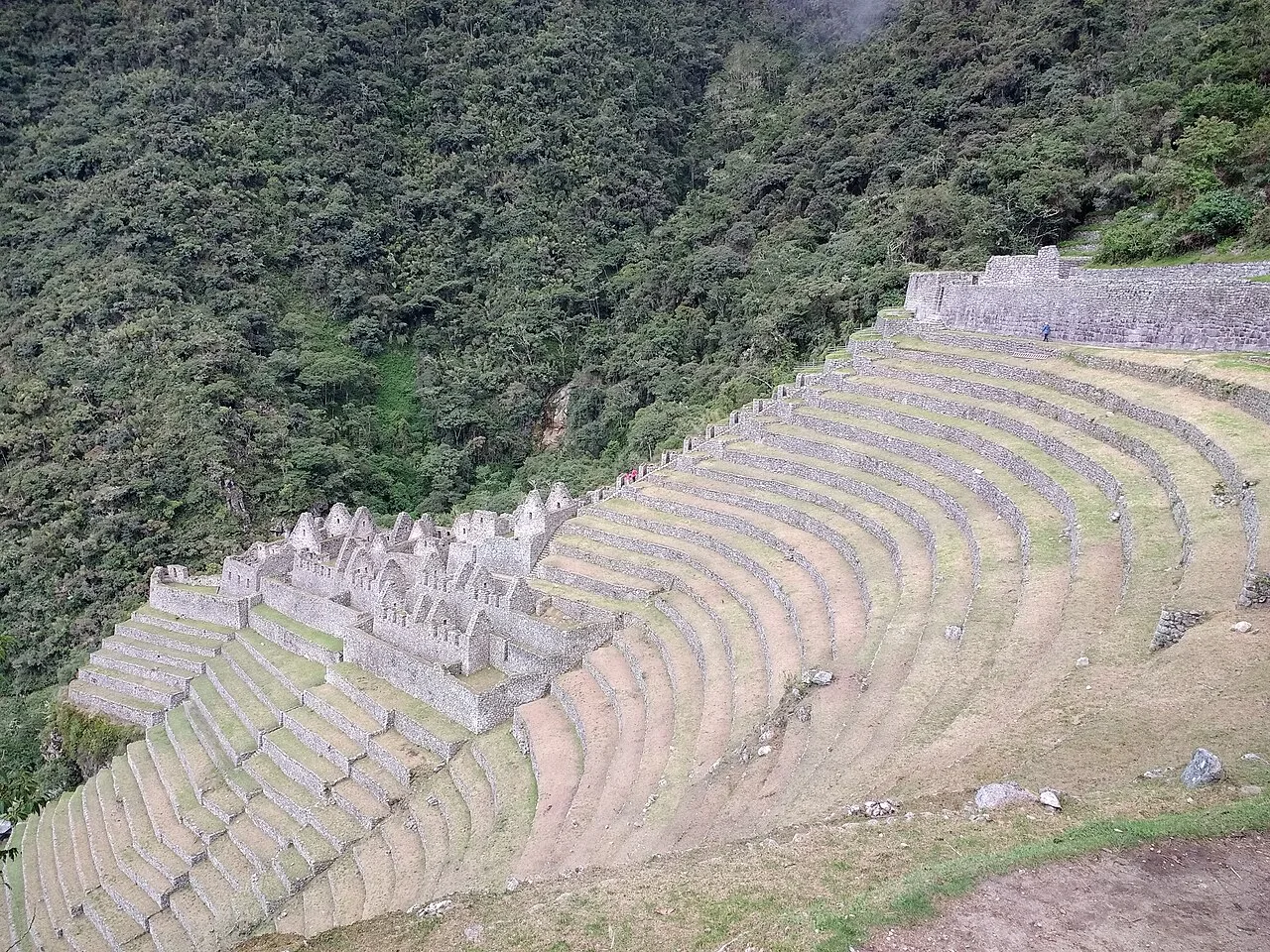
Photo: Mx. Granger / Wikimedia Commons · CC0
- ✓Wiñay Wayna ('forever young' in Quechua) is a terraced Inca site near the end of the Inca Trail, often the trekkers' favourite ruin of the whole route — and one only walkers reach.
- ✓It is reached on foot via the Inca Trail; there is no train, bus or day-visitor access. Its name is shared with the trail's last campsite.
- ✓Both the classic four-day Inca Trail and the shorter two-day Inca Trail pass it on the final approach to the Sun Gate.
- ✓Curved farming terraces, a long stair of ritual fountains and a tight cluster of buildings make it a complete Inca settlement in miniature, set above the Urubamba gorge.
Forever young
Quechua names the great places of the Andes with a poet's economy, and few are lovelier than Wiñay Wayna — 'forever young', taken from a species of orchid that blooms here much of the year. The site clings to a steep cloud-forest ridge a couple of hours' walk short of Machu Picchu, on the only path that has reached it for five centuries: the Inca Trail itself. No train comes here. No bus, no day ticket. To stand at Wiñay Wayna you must walk the trail, which is exactly why so many who do call it the moment the trek truly delivers.
It is a complete Inca world in miniature. Fans of curved agricultural terraces spill down the hillside in green tiers; a long, narrow stair of ten ritual fountains carries water through the heart of the settlement; and a cluster of finely built houses and a half-round temple crown the upper level. Below it all the Urubamba roars unseen in its gorge, and across the valley the mountains stack into haze. After three days on the trail, rounding the corner into this is the kind of view that stops conversation.

At a glance
The essentials before you fold Wiñay Wayna into a trek. Permit rules, capacities and dates are set by Peru's Ministry of Culture and change — confirm current details with a licensed operator before you commit.
- What it is: a terraced Inca site with ritual fountains and a half-round temple, named for an orchid — 'forever young'.
- How you reach it: on foot via the Inca Trail only — no road, rail or day-visitor access.
- On the route: both the classic 4-day and the shorter 2-day Inca Trail pass it near the end.
- Nearby: the trail's final campsite shares the name, and the Sun Gate (Inti Punku) lies an hour or so beyond.
- Permit: the Inca Trail is capped and permitted, sells out months ahead, and closes every February — verify.
- Why go: many trekkers rate it above the citadel itself for setting and solitude.
Why trekkers love it more than the citadel
It is a heresy that quietly unites people who have walked the Inca Trail: Wiñay Wayna can move you more than Machu Picchu does. The reasons are honest ones. You arrive on foot, having earned it over days of high passes and stone stairways, so the site lands with the weight of a destination rather than a stop. There are no crowds — only the handful of trekkers on your section of trail, where the citadel that afternoon may hold thousands. And the ruin itself is exquisite: the terraces sweep, the fountains still run, and the whole settlement hangs over the gorge with nothing between you and the drop but Inca masonry.
There is also a sense of intimacy the citadel cannot offer. At Machu Picchu you follow a fixed one-way circuit with a guide and a timed slot; at Wiñay Wayna you can sit on a terrace edge, hear the water, watch the cloud move through the valley, and feel for a moment that you have the Inca world to yourself. For many, this — not the famous overlook the next morning — is the photograph they keep and the silence they remember.

Where Wiñay Wayna fits the routes
Two versions of the Inca Trail both pass Wiñay Wayna, and the difference between them is mostly the days before it. The classic four-day Inca Trail crosses the high passes — including Dead Woman's Pass — and spends its final night at the Wiñay Wayna campsite, the last stop before the dawn push to the Sun Gate. Walkers usually visit the ruin in the afternoon on arrival at camp or briefly the next morning, then rise in the dark to reach Inti Punku for first light over the citadel.
The shorter two-day Inca Trail — often called the 'short' or 'one-day' Inca Trail because the second day is the citadel visit — starts lower down the valley at a railway kilometre marker and walks in along the same final stretch, passing Wiñay Wayna and continuing to the Sun Gate. It gives you the trail's grand finale, Wiñay Wayna and the Inti Punku entrance, without the camping or the high passes — a popular choice for those short on time or wary of the altitude.
Either way, the site arrives near the end, as the trail's last great flourish before the Sun Gate frames Machu Picchu below. Both routes need a permit and a licensed operator, and both are subject to the same caps and the February closure, so they are booked well in advance.
- Classic 4-day Inca Trail: high passes, final night at the Wiñay Wayna campsite, dawn to the Sun Gate.
- Short 2-day Inca Trail: starts lower in the valley, walks the final stretch past Wiñay Wayna to Inti Punku — no high passes or camping.
- Both pass the ruin near the end and both require a permit and a licensed operator.
- The classic trail closes every February for maintenance — verify current dates.

Wiñay Wayna the campsite, and the dawn beyond
Confusingly but conveniently, the name Wiñay Wayna belongs to two things on the trail: the ruin and the last campsite, a short walk apart. On the classic four-day route this is where the final night is spent, in a cluster of tents above the gorge, with the ruin within reach for a late-afternoon or early-morning wander. It is a charged place to sleep — the closest camp to the citadel, full of the nervous excitement of trekkers who know that tomorrow they walk into Machu Picchu through the Sun Gate.
From the campsite the trail makes its celebrated final push before dawn: an hour or so of forest path that climbs to a steep stone stair nicknamed the 'monkey steps', and then, suddenly, the gateway of Inti Punku. Step through it as the light comes up and Machu Picchu lies below you across the valley, the way the Inca intended pilgrims to first see it. Wiñay Wayna is the deep breath before that moment — and for many, the more affecting of the two.
Practical notes for the visit
Because Wiñay Wayna sits on a permitted, guided trail, the practicalities are mostly handled by your operator — but a few things help you make the most of it. Pace your final afternoon so you reach the ruin with energy and light to spare rather than collapsing into camp; this is not a place to rush past. The setting is steep and the terraces are unfenced in places, so move with care, especially when wet. And as everywhere in the sanctuary, the rule is to look, not touch: stay on the paths, off the masonry, and leave the orchids that give the site its name where they grow.
Weather shapes the experience. In the dry season the views across the gorge are vast and clear; in the wet months the cloud forest closes in, the terraces drip, and the place takes on a brooding, mist-wrapped beauty of its own. Neither is wrong — but the February closure of the classic trail means the very wettest weeks are off the table anyway. Confirm the current permit, closure and operator details before you plan around it.


Related guides

The Classic 4-Day Inca Trail to Machu Picchu
The four-day Inca Trail — the only trek that walks you into Machu Picchu through the Sun Gate. Permits, camps, Dead Woman's Pass, altitude, porters and what each day actually feels like.
Read guideIntipunku, the Sun Gate: How to Reach It
The Sun Gate above the citadel — the Inca Trail's grand entrance and a stiff out-and-back for ticket holders. How to reach it, the seasonality, the views and the effort involved.
Read guideMore in Highlights
6
A Rainy Day at Machu Picchu
Rain at the citadel is normal, not a disaster — how to dress for cloud forest, which circuits cope best, how to build train buffers, the Aguas Calientes backups, and why mist makes the most haunting photographs of all.
Read guide
Aguas Calientes (Machu Picchu Pueblo): The Complete Guide
Aguas Calientes — officially Machu Picchu Pueblo — the cloud-forest town at the foot of the citadel. Where to sleep, how the trains and buses connect, the food, the hot springs, luggage, and how long to stay for a calmer entry.
Read guide
Around the Site: Machu Picchu Up Close
The hub for the world immediately around the citadel — what to see inside it, the town of Aguas Calientes below, where to stay, the first buses up, the hot springs, the restaurants, and how to visit responsibly.
Read guide
Best Photography Spots at Machu Picchu
Where the great Machu Picchu photographs are actually made — the classic upper-terrace frame, the llamas, the morning cloud, and which circuit reaches each angle. Plus the sunrise myth and what you simply cannot access.
Read guide
Budget hotels for Machu Picchu
Better-value places to sleep along the Machu Picchu route — honest guesthouses and well-run hostels in Cusco, Ollantaytambo and Aguas Calientes — chosen to stretch the trip without wrecking the altitude ladder or the citadel-morning logistics.
Read guide
Luxury hotels for Machu Picchu
The top-end stays that string together a polished Machu Picchu journey — restored monasteries and oxygen-equipped suites in Cusco, hacienda-and-spa retreats in the Sacred Valley, and the one true luxury option at the gate of the citadel itself.
Read guide