
Inti Raymi in Cusco
Cusco's Festival of the Sun on 24 June — the great Inca winter-solstice pageant at Sacsayhuamán, and how to plan Machu Picchu around the busiest, brightest week of the year.

Photo: Grecia Calancha / Unsplash
- ✓Inti Raymi, the Festival of the Sun, takes place on 24 June — a recreated Inca winter-solstice rite and Cusco's biggest celebration of the year.
- ✓The main pageant unfolds at the Sacsayhuamán fortress above the city; ticketed grandstand seating sells out, but the streets and Coricancha stages are free to watch.
- ✓It falls in the dry-season peak, so views are at their clearest and crowds — and prices — at their highest; book months ahead.
- ✓Plan acclimatization and tickets early: the same week that fills Cusco also fills the trains, hotels and Machu Picchu entry slots.
The Festival of the Sun
Inti Raymi — Quechua for 'Festival of the Sun' — is the most spectacular event in the Andean calendar, and for many travellers a reason in itself to time a Machu Picchu trip for late June. Held on 24 June, it recreates the great Inca rite that once honoured Inti, the sun god, at the southern winter solstice, when the sun sits lowest in the sky and the Inca prayed for its return and a good growing year. Suppressed in the colonial era and revived in the twentieth century as a staged historical pageant, today's Inti Raymi draws hundreds of costumed performers and tens of thousands of spectators to Cusco.
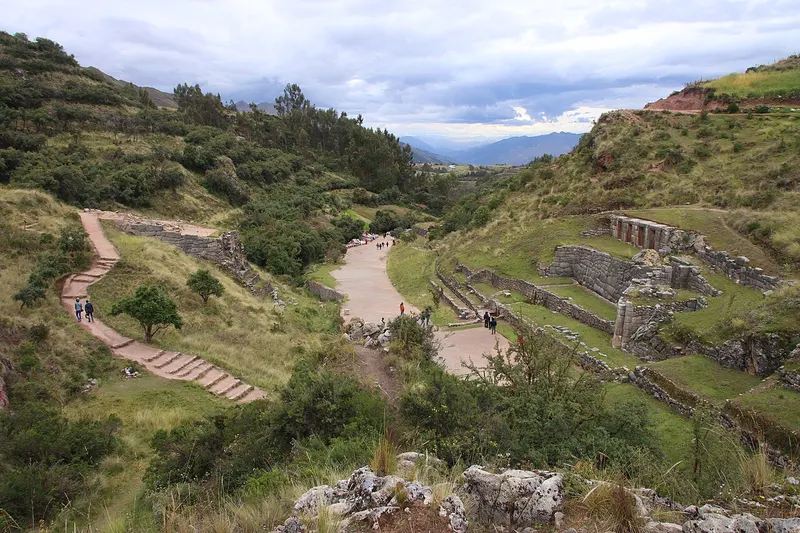
The day is a moving theatre that travels through the city. It traditionally opens at the Coricancha — the Inca sun temple over which the Spanish built the church of Santo Domingo — moves to the Plaza de Armas for a ceremony before the assembled crowds, and culminates in the great afternoon spectacle on the esplanade below the cyclopean walls of Sacsayhuamán, the fortress on the hill above Cusco. There the Sapa Inca, borne aloft on a litter, presides over music, dance and a symbolic offering, all in Quechua, against one of the most dramatic ancient backdrops on earth.
At a glance
Inti Raymi in a single card. The date and the broad shape of the day are evergreen; verify current grandstand ticket prices, sale dates and the exact programme with official sources before you lock plans.
- Date: 24 June every year, with related festivities and parades through much of the month.
- Where: Coricancha → Plaza de Armas → the Sacsayhuamán esplanade above Cusco.
- Tickets: paid grandstand seating at Sacsayhuamán sells out ahead; street and plaza viewing is free.
- Season: dry-season peak — clearest skies, biggest crowds, highest prices region-wide.
- Book early: hotels, trains and Machu Picchu entry slots all tighten in the days around 24 June.
- Altitude: it all happens at Cusco's 3,399 m — acclimatize before the festival, not during it.
Watching the pageant: tickets, stands and the free city
There are two ways to experience the main event at Sacsayhuamán. You can buy a seat in the ticketed grandstands that ring the esplanade, which gives you a guaranteed view of the central ceremony for the price of a fixed-price ticket sold through official channels and tour operators — these sell out well ahead, so secure them early if a grandstand seat matters to you. Or you can join the free crowds on the surrounding hillsides, which means arriving early, claiming a spot and standing through a long, cold-then-warm afternoon, but costs nothing and puts you among the locals.
Either way, the morning acts at the Coricancha and the Plaza de Armas are free to watch from the streets, and the whole city is given over to parades, music and costume for much of June. Even if you skip the Sacsayhuamán grandstand, you will not miss the festival — it is impossible to be in Cusco that week and not feel it. Dress in layers: the June solstice means cold mornings and nights at 3,399 m, but the midday sun on an exposed hillside is strong.
Planning Machu Picchu around the festival
Inti Raymi falls squarely in the dry-season peak, which is both its great advantage and its main complication. June brings the clearest skies of the year and the best odds of an unclouded overlook at the citadel — but the festival concentrates demand to a point. The same week that fills Cusco's plazas also fills its hotels, the trains down to Aguas Calientes, and the Machu Picchu timed-entry slots. Since the post-2024 reorganisation by Peru's Ministry of Culture, every citadel visit runs on a timed ticket tied to one of three circuits and a numbered route, with no general admission, and in late June the prime morning slots and the add-on peak climbs (Huayna Picchu and Machu Picchu Mountain) sell out earliest of all.
The way to do both well is sequencing. Decide which you are anchoring the trip to — the festival or the citadel — and book that fixed point first, then fit the rest around it. A common, comfortable shape is to acclimatize and enjoy Inti Raymi in Cusco, then travel down to the Sacred Valley and on to Machu Picchu in the days after 24 June, once the festival crowd thins. Whatever the order, book months ahead: this is the single busiest week of the Machu Picchu year.
Altitude: acclimatize before the celebration
It is easy to forget, amid the spectacle, that Inti Raymi happens at altitude. Cusco sits at 3,399 m — nearly a kilometre higher than the citadel at 2,430 m — which means most altitude sickness strikes here, on arrival, exactly when you most want energy for a full festival day. A long afternoon standing on the Sacsayhuamán hillside, even higher than the city, is no place to be battling soroche.
The fix is to arrive a couple of days before 24 June and take it gently: hydrate, go easy on alcohol the first day, walk slowly, and lean on the local coca tea if it helps. Better still, sleep low-to-high-to-low — a night or two in the lower Sacred Valley (around 2,800 m) before Cusco blunts the worst of it. Get the altitude right first, and you arrive at the festival, and later at the citadel, with the energy to enjoy both.

Frequently asked questions
When is Inti Raymi held? Inti Raymi takes place on 24 June every year, marking the southern winter solstice; related parades, rehearsals and festivities run through much of June.
Where does the main event happen? The day moves through Cusco — beginning at the Coricancha sun temple, passing through the Plaza de Armas, and culminating in the great afternoon pageant on the esplanade below the Sacsayhuamán fortress above the city.
Do I need a ticket? Only for the grandstand seating at Sacsayhuamán, which is paid and sells out ahead. The morning ceremonies in the city and the hillside viewing at Sacsayhuamán are free, though the free spots require arriving early and a long wait.
Is it a good time to visit Machu Picchu too? Yes for weather — late June is the dry-season peak with the clearest skies — but it is the busiest, priciest week of the year, so trains, hotels and timed-entry tickets must be booked months ahead. Many travellers see the festival in Cusco, then visit the citadel in the days just after 24 June.
How should I handle the altitude? Arrive a couple of days early, take it easy, hydrate, and consider sleeping first in the lower Sacred Valley. Cusco's 3,399 m is higher than the citadel, and Sacsayhuamán is higher still, so acclimatize before festival day rather than during it.


Related guides

Machu Picchu in June
Peak dry-season clarity, the coldest nights of the year, and Cusco's great Inti Raymi sun festival on 24 June — with the heavy crowds and early-booking pressure that come with all of it.
Read guide
Sacsayhuamán: Cusco's Hilltop Inca Fortress
The colossal zigzag walls on the hill above Cusco — what to see, the entry ticket, the altitude effort, walking up versus taking a taxi, and the timing around the Inti Raymi festival.
Read guide
Where to stay in Cusco
A neighbourhood-by-neighbourhood guide to basing in Cusco before Machu Picchu — weighing altitude comfort, charm, walkability, station and airport access, and which area suits families, couples, luxury and budget travellers.
Read guideMore in Best time to visit
6
Accessible Machu Picchu
An honest look at mobility at the citadel — the uneven Inca stone, the stairs, how the train and shuttle bus help, hotel strategy, the gentlest circuit and route, and why a private guide is the key to a workable visit.
Read guide
Altitude & When to Go: The When-to-Visit Hub
The home for timing your trip — the two Andean seasons, altitude and acclimatization, dry- versus rainy-season trade-offs, and the month-by-month guides that tell you what each part of the year really means at the citadel.
Read guide
Altitude in Machu Picchu, Cusco & the Valley
How altitude really works across the trip — why Cusco is higher than the citadel, where soroche hits hardest, the low-to-high-to-low ladder, and sensible pacing, with medical-caution language throughout.
Read guide
Hiking & Site Safety at Machu Picchu
Staying safe on the steep, slick, exposed parts of the visit — the citadel's stone stairs, wet-weather footing, altitude on the climbs, and the demanding mountain ascents of Huayna Picchu and Machu Picchu Mountain.
Read guide
Is Machu Picchu Safe?
An honest safety picture for the whole trip — trains and buses, the treks, altitude, petty theft and money, occasional strikes and weather disruption, crowds, and travelling solo or as a woman.
Read guide
Luggage Storage in Cusco & Aguas Calientes
Where to leave the big bag for the citadel — hotel storage in Cusco and Ollantaytambo, the train baggage limit that forces the issue, station storage in Aguas Calientes, the trek-duffel system, and how to stage it all cleanly.
Read guide