
Aguas Calientes bus to the citadel
How the shuttle bus from Aguas Calientes (Machu Picchu Pueblo) up to the citadel gate works — buying tickets, the morning queue, timing it to your entry slot, and the walking alternative.

Photo: Giancarlo Revolledo / Unsplash
- ✓The shuttle bus climbs the switchback road from Aguas Calientes to the citadel gate in roughly half an hour.
- ✓The bus ticket is separate from your timed entry ticket — you buy it specifically, not as part of the gate ticket.
- ✓It is a frequent shuttle rather than a fixed seat, but the dawn queue in high season can be long, so arrive early.
- ✓The walking alternative is a steep stair climb of around an hour and a half up — free, but hard work.
The last short climb to the clouds
After the train has delivered you to Aguas Calientes — officially Machu Picchu Pueblo — there is one short leg left, and it is a memorable one. The citadel sits high above the town, and between the two runs a dirt road that folds back on itself up the mountainside in a series of tight switchbacks. The green-and-white shuttle buses grind up this road all morning, lifting visitors from the valley floor to the gate in about half an hour of climbing through cloud forest.
It is the least romantic-sounding part of the journey and quietly one of the loveliest: the town shrinks below, the Urubamba thins to a silver thread, and the buses nose into the mist that so often wreathes the ruins at dawn. This guide covers how the bus actually works — buying the ticket, the morning queue, and how to time it to your entry slot — and when you might choose to walk up instead.
At a glance
The essentials before the questions. Fares, exact first-bus times and capacities are set by the operator and the Ministry of Culture and can change, so confirm current details locally or on the official channels before your day.
- Route: Aguas Calientes (Machu Picchu Pueblo) up to the citadel entrance gate.
- Climb time: roughly 25–30 minutes up the switchback road.
- Ticket: a separate bus ticket, not included with your timed entry ticket.
- Frequency: a rolling shuttle, with buses leaving as they fill in the morning rush.
- First buses: depart early, before dawn in peak season — arrive ahead of the queue.
- Alternative: the walking trail, a steep stair climb of about 1.5 hours up.
How do I buy the bus ticket?
The single most important thing to understand is that the bus ticket is its own thing. It is not bundled into your Machu Picchu entry ticket, and the two are checked separately — the bus ticket to board, the entry ticket and your passport at the gate. The shuttle is run by the long-standing local operator (Consettur), and tickets are sold at the company's office in Aguas Calientes as well as, increasingly, online in advance.
Buying ahead is the relaxed move, especially in high season: you skip one queue and arrive at the boarding line with one fewer thing to sort in the dark. If you buy in town, do it the day or evening before rather than on the morning itself, when the office and the queue are at their busiest. You can usually buy a one-way ticket if you plan to walk back down, or a return if you want the bus both directions. Keep the ticket somewhere you can find it fast in the boarding scrum.
- The bus ticket is separate from the citadel entry ticket — buy it specifically.
- Purchase online in advance, or at the operator's office in Aguas Calientes.
- If buying in town, do it the evening before, not on the morning of your entry.
- Choose one-way (if walking back down) or return as suits your plan.

How early should I get to the bus queue?
Earlier than you would like, in high season. The first buses leave before dawn, and the line at the boarding point can build into a long, snaking queue well before that, as everyone with an early entry slot tries to be on the mountain for first light. If you hold an early-morning entry time, plan to be in the queue a good while before the first departure — the buses run frequently and the line does move, but you want margin, not a sprint.
The good news is that the shuttle is a high-frequency rolling service, not a fixed seat you can miss. Buses fill and leave, fill and leave, so even a long-looking queue clears faster than it appears. Off-peak and later in the day, the crush eases considerably and you may board within minutes. Match your effort to your slot: a dawn entry demands the early queue; a mid-morning or afternoon slot is a far gentler affair.
How do I time the bus to my entry slot?
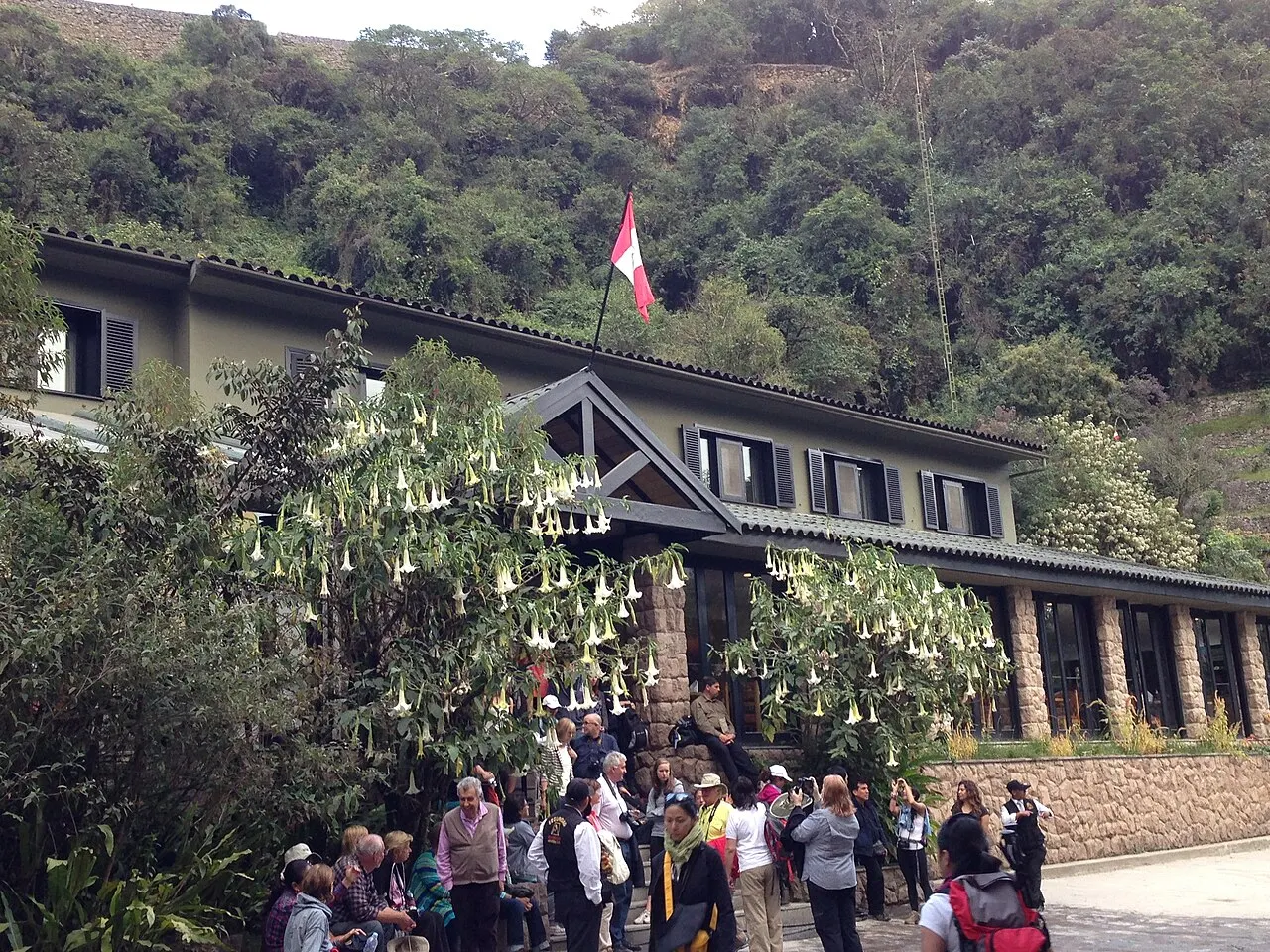
Work backwards from the timed entry on your ticket. The gate admits you within your booked window, and the bus needs about half an hour to climb plus whatever you spend in the boarding queue, so leave a comfortable cushion. A useful rule of thumb: be at the bus queue well ahead of the time you would need to reach the gate, then let the frequent shuttle do the rest. Arriving at the gate slightly early is fine; arriving after your window risks being turned away.
Because the citadel runs on capped, timed, circuit-based entry, the slot is the fixed point everything else serves. The bus, like the train and the hotel, is arranged to land you at the gate on time — not the other way around. If your slot is early and your train arrived the night before, sleeping in Aguas Calientes is what makes the dawn bus realistic; a later slot is easier to reach and far less frantic.
Bus or walk — and coming back down
The bus is the default for good reason: it is fast, it saves your legs for the citadel itself, and at the high altitude even a fit walker finds the climb a slog. But there is a free alternative — a steep stairway trail that cuts up through the forest, crossing the switchback road as it goes, in around an hour and a half of hard uphill. Some walk up to save the fare or for the quiet; many more walk down, when gravity is on their side and the legs are tired.
A common, sensible split is to ride the bus up — fresh, on time, and unhurried about your entry slot — and then decide at the end whether to bus or walk back down to town. The descent on foot is much easier than the ascent and gives you the cloud forest at your own pace. If you want the full picture of the walking route, its difficulty and who should skip it, see the dedicated guide.

Related guides
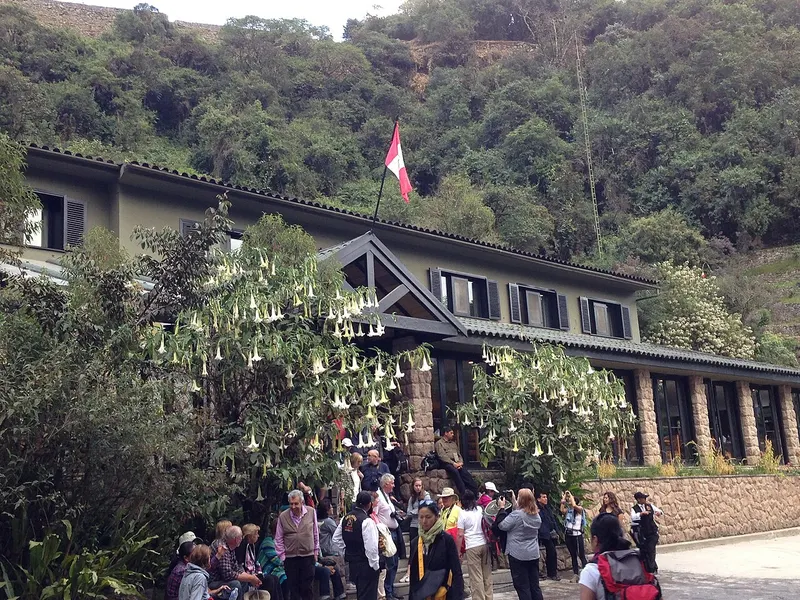
First-bus strategy
How the dawn shuttle-bus queue in Aguas Calientes really works, when catching the first bus is worth it, and how to match your effort to your timed entry slot without unnecessary pre-dawn stress.
Read guide
Walking up from Aguas Calientes
The stairway route from Aguas Calientes up to the Machu Picchu entrance on foot — how hard it is, how long it takes, the effect of rain, darkness and altitude, and who should take the bus instead.
Read guide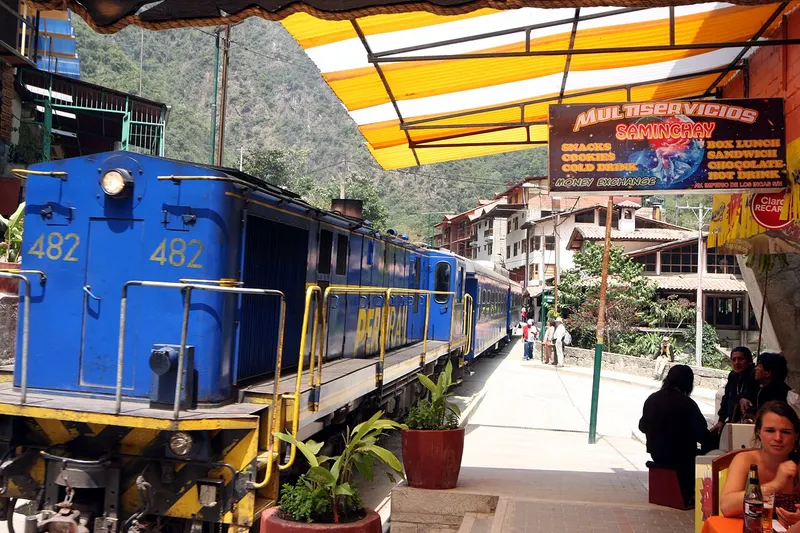
Aguas Calientes (Machu Picchu Pueblo): The Complete Guide
Aguas Calientes — officially Machu Picchu Pueblo — the cloud-forest town at the foot of the citadel. Where to sleep, how the trains and buses connect, the food, the hot springs, luggage, and how long to stay for a calmer entry.
Read guideMore in Getting There
6
Cusco airport to city & valley
Getting from Cusco's Velasco Astete airport to your hotel or the Sacred Valley — taxi, pre-booked transfer or hotel pickup — plus the altitude-first question of where to head after you land.
Read guide
Cusco to Machu Picchu: Every Way to Make the Journey
The realistic ways from the old capital to the citadel — train, bimodal bus-and-train, staging in the Sacred Valley, the long Hidroeléctrica back door, and whether a one-day round trip is sane.
Read guide
Cusco to Ollantaytambo
The ways to cover the road from Cusco to the rail gateway at Ollantaytambo — private driver, shared colectivo, tour transfer and taxi — plus the baggage strategy that saves you on the train.
Read guide
Lima to Cusco to Machu Picchu
Why getting from Lima to Machu Picchu is a staged journey, not a single hop — the flight to Cusco, the altitude jump, where to stage, and how to pace it so the citadel day actually works.
Read guide
Luggage Rules & Storage for Machu Picchu
Train baggage limits, where to leave the big bag in Cusco or Ollantaytambo, what to carry into the citadel, station storage in Aguas Calientes, and the trek-duffel system.
Read guide
Ollantaytambo to Machu Picchu: The Easiest Way In
Why Ollantaytambo is the most reliable rail gateway to the citadel — the timing, the short gorge ride, where to stay, taxis to the platform, and how to stage it from the Sacred Valley.
Read guide