
Machu Picchu: The UNESCO Historic Sanctuary
What it means that Machu Picchu is a mixed World Heritage site and a protected Historic Sanctuary — the dual cultural-and-natural status, why it shapes visitor limits and circuits, and how that affects responsible planning.

Photo: Adrian Dascal / Unsplash
- ✓Machu Picchu is a 'mixed' UNESCO World Heritage Site — listed in 1983 for both its cultural value and its natural ecosystem — and a Peruvian Historic Sanctuary protecting far more than the ruins.
- ✓The protected area is a large cloud-forest landscape, home to wildlife like the spectacled bear and Andean cock-of-the-rock, not just the citadel itself.
- ✓That status is the reason behind timed entry, capped numbers and one-way circuits — the management plan exists to keep the site off UNESCO's danger list.
- ✓Understanding the sanctuary changes how you plan: it explains the rules, the season pressure and why slow, low-impact visiting matters.
More than a ruin on a ridge
Most people picture Machu Picchu as the citadel — the terraces, the temples, the green peak of Huayna Picchu behind. But the thing UNESCO and Peru actually protect is far larger: a sweep of cloud forest and high Andes around the stone, where condors ride the thermals, the spectacled bear moves through the trees, and orchids grow in the mist. The official name says it plainly — the Historic Sanctuary of Machu Picchu — and the word sanctuary is doing real work.
That dual identity, cultural and natural, is the key to understanding everything else about visiting. The rules that govern your day, the limits on numbers, the one-way circuits, the season pressure — none of it makes sense as bureaucracy. It makes sense as the management of a fragile, doubly precious place that the world has agreed to keep. This guide unpacks the status and what it means for you as a visitor.
At a glance: the sanctuary's status
A few facts frame the rest. These are the load-bearing pieces of the site's protected identity.
- Inscribed on the UNESCO World Heritage List in 1983 as a 'mixed' site — both cultural and natural criteria.
- Protected nationally as a Historic Sanctuary, covering a large cloud-forest area, not only the citadel.
- Home to threatened wildlife and rich biodiversity at the meeting of Andes and Amazon.
- Managed under a plan that uses timed entry, daily caps and one-way circuits to limit impact.
- Has faced repeated UNESCO concern over visitor pressure and development — the rules are the response.
What 'mixed' World Heritage means
UNESCO inscribes most World Heritage sites for either cultural value (the pyramids, a cathedral, a historic city) or natural value (a reef, a rainforest, a glacier). A small number qualify on both counts, and these are called mixed sites. Machu Picchu, listed in 1983, is one of them: it is recognised both for the outstanding human achievement of the Inca citadel and for the natural ecosystem in which it sits.
This double listing raises the stakes of conservation. It is not enough to protect the stonework; the surrounding cloud forest, watershed and wildlife corridors are part of what the world agreed to safeguard. That is why management decisions weigh things a purely archaeological site never would — erosion of trails, disturbance of habitat, the carbon and waste footprint of a million annual visitors in a closed gorge. The mixed status is, in effect, a promise to look after a whole living landscape.
The sanctuary beyond the citadel
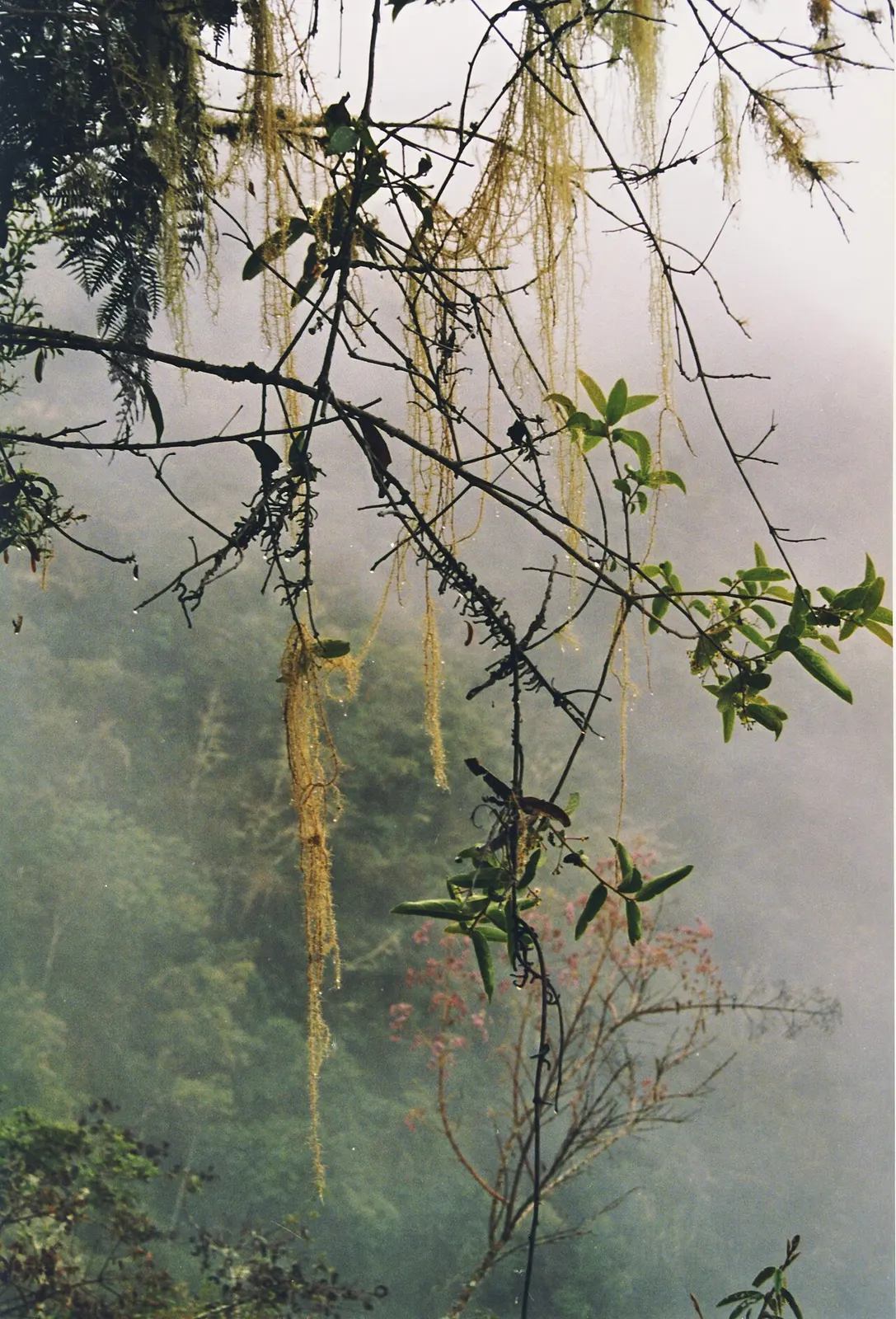
Step back from the ruins and the protected area opens out into one of the most biodiverse meeting points on the planet, where the high Andes tip down into Amazonian cloud forest. The sanctuary shelters species that draw naturalists in their own right: the spectacled bear (the Andes' only bear, and the inspiration for Paddington), the flame-red Andean cock-of-the-rock, hummingbirds, orchids in the hundreds, and condors overhead.
For a visitor, this reframes the trip. The train ride down the Urubamba gorge, the walk up to the Sun Gate, even the wait at the gate are passages through a nature reserve, not just transit to a monument. Trekkers on the Inca Trail pass through cloud-forest ecosystems that are themselves protected. Travelling quietly, staying on trails and keeping wildlife wild are part of respecting the sanctuary, not optional extras.

Why the status drives the rules
The timed tickets, daily caps and one-way circuits that govern your visit did not appear arbitrarily. They are the visible edge of a long conversation between Peru and UNESCO about how to admit enough visitors to sustain the region without damaging the site. Over the years UNESCO has repeatedly raised concerns about visitor pressure, unplanned growth in Aguas Calientes, and access development around the sanctuary — concerns that carry the implicit threat of a 'World Heritage in Danger' listing.
Peru's response has been a tightening management plan: limits on daily numbers, the staged introduction of the three-circuit system in 2024, requirements for guides and group sizes, and restrictions on what you can bring in. Seen through the lens of the sanctuary's status, these stop feeling like obstacles and start reading as the price of keeping the place open at all. The alternative — uncontrolled access — is what put the site at risk in the first place.
What it means for your planning
Understanding the sanctuary quietly improves the way you plan. It explains why dry-season morning slots vanish weeks ahead — the cap is fixed, so demand simply outruns supply at peak times — and why booking early and travelling in shoulder seasons both make practical and ethical sense. It explains why you cannot wander freely, eat inside the citadel, or fly a drone: each restriction protects either the stone or the ecosystem around it.
It also reframes the whole trip as a privilege with conditions attached. You are being admitted, in limited numbers, to a place the world has collectively decided to protect. That mindset makes the rules easy and the experience richer: you move through the sanctuary as a guest, you spend your money where it sustains the region, and you leave the place exactly as you found it. The romance of Machu Picchu and the responsibility of it are, in the end, the same thing.

Verify the current management rules
The sanctuary's management plan is a living document. Daily caps, circuit details, guide and group requirements and access rules are reviewed periodically by Peru's Ministry of Culture and the national protected-areas service, sometimes in dialogue with UNESCO. The status and principles here are stable; the operational numbers and restrictions are not. Confirm the current rules on the official channels before you travel.
- Confirm current daily caps, circuits and entry rules on Peru's official Ministry of Culture platform.
- Check the latest UNESCO and SERNANP guidance on the sanctuary's protected status if planning low-impact travel.
- Treat any specific capacity or restriction figures you read elsewhere as 'verify before relying on'.


Related guides

Responsible Machu Picchu Travel
How to visit Machu Picchu with care — staying on the official routes, packing out waste, photographing respectfully, choosing ethical operators and porters, and understanding the overtourism the sanctuary lives with.
Read guide
Machu Picchu History: The Story in the Stone
Who built Machu Picchu and why, the engineering that holds a city to a ridge, the centuries of quiet, Hiram Bingham's 1911 arrival, and the UNESCO status that shapes how we visit today.
Read guide
Machu Picchu Circuits Explained
Compare the three official circuits and ten routes — panoramic, classic and royal — so you book the right experience: the postcard view, the temples, or the add-on peaks.
Read guideMore in Tickets guide
6
Best Circuit for the Classic Machu Picchu Photo
Which routes deliver the iconic postcard view, when the light is best, how mist and season play, and how to avoid the photo disappointment that catches first-timers.
Read guide
Do You Need a Guide at Machu Picchu?
When a licensed guide is required or simply worth it, private versus shared, how the route flow works, and how to book ethically.
Read guideHow to Book Machu Picchu Tickets
The booking sequence, in order: pick the date, choose the circuit and route, secure the entry window, enter passport details, then arrange the train and your overnight.
Read guide
Intipunku, the Sun Gate: How to Reach It
The Sun Gate above the citadel — the Inca Trail's grand entrance and a stiff out-and-back for ticket holders. How to reach it, the seasonality, the views and the effort involved.
Read guideLast-Minute Tickets in Aguas Calientes
Buying Machu Picchu entry in person at the foot of the mountain — the official sales offices in Machu Picchu Pueblo and Cusco, the real risks and caveats, and why this is a backup, not Plan A.
Read guide
Machu Picchu Circuit Map Guide: Reading the Routes
How to read the official Machu Picchu route map — the three circuits and their numbered routes — and match your timed ticket to the views and monuments you actually came for.
Read guide