
Lima Before Machu Picchu
Where Peru's capital fits in a Machu Picchu trip — using a sea-level night to beat jet lag, eat exceptionally well, and break the climb to Cusco's altitude in two.

- ✓Almost every international route to Cusco connects through Lima, so the question isn't whether to pass through but whether to stop — and one well-spent night here pays off in two ways.
- ✓Lima sits at sea level: a night here lets long-haul travellers sleep off jet lag before taking on Cusco's 3,400 m, rather than arriving exhausted at altitude.
- ✓It's one of the world's great food cities — ceviche, Nikkei, pisco and several globally ranked restaurants — and the easiest, most pleasurable soft landing in Peru.
- ✓Base yourself in Miraflores or Barranco by the coast; keep it to a night or two on the way in and you lose almost nothing from the core Machu Picchu plan.
You're passing through anyway — the only question is how long
There is no direct flight from most of the world to Cusco. The overwhelming majority of Machu Picchu trips funnel through Jorge Chávez International Airport in Lima, where you clear immigration, recheck or collect bags, and connect onward to the Andes. That makes Lima less a separate destination to debate and more an unavoidable hinge in the journey — and the real decision is simply whether to treat it as a corridor you rush through or a city you stop in.
The case for stopping is strong, and it's about more than sightseeing. Lima is at sea level, which makes it the ideal place to recover from a long-haul flight before throwing yourself at Cusco's altitude. It is also one of the most exciting food cities on the planet, an easy and rewarding way to start a Peru trip in comfort and colour. Stop on the way in if you can — your body and your itinerary both benefit when the altitude comes after a real night's sleep, not after thirty hours in transit.

At a glance
Geography and the broad logic are stable; flight schedules, airport-hotel options and restaurant reservations change constantly, so verify those directly when you book.
- Altitude: sea level — the lowest, easiest acclimatization point of the whole trip.
- Airport: Jorge Chávez (LIM), the connection point for nearly all flights to Cusco (CUZ).
- Where to stay: Miraflores (coastal, polished, central for most visitors) or Barranco (bohemian, artsy, great for dinner and bars).
- Why stop: jet-lag recovery before altitude, plus world-class food and a gentle introduction to Peru.
- How long: a night or two inbound is plenty for most; some save Lima for the way out instead.
- Getting around: use official airport taxis or a booked transfer; verify current options before arrival.
The jet-lag and altitude strategy
Here is the quiet logistical argument that makes a Lima stop more than a luxury. Cusco sits at around 3,400 m, and altitude sickness hits hardest in the first hours after a fast ascent — exactly when a jet-lagged, sleep-deprived body is least able to cope. Fly straight from a long-haul red-eye up into thin air and you compound exhaustion with soroche, and you can lose your precious first Cusco day to a headache and nausea. A night at sea level in Lima decouples the two stresses: you sleep off the flight here, then take on the altitude rested.
The pacing then becomes simple. Land in Lima, sleep, and ideally fly up to Cusco the next morning so you arrive with a full gentle day ahead to rest and hydrate. Build at least a night or two in Cusco — or better, drop straight into the lower Sacred Valley — before you climb anything. Whether you stop in Lima or not, the altitude ladder is the spine of the whole trip; Lima just gives you a softer rung to start from.


Eat your way through one of the world's best food cities
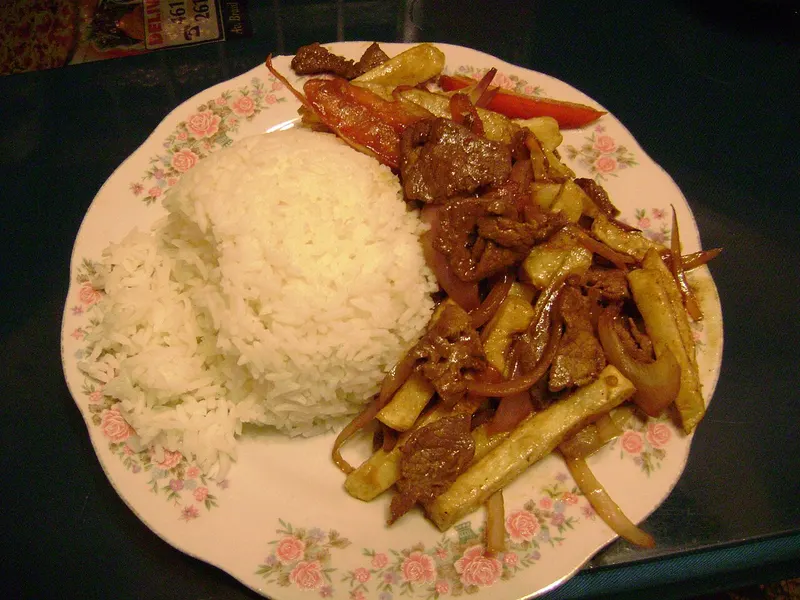
If there's a single reason to linger beyond logistics, it's the food. Lima is routinely ranked among the world's top culinary destinations, and the depth is real: this is the home of ceviche, of Nikkei cooking (Peruvian-Japanese), of chifa (Peruvian-Chinese), of causa and lomo saltado and anticuchos, washed down with pisco sours. The city holds several restaurants that appear on global best-of lists, but the joy is just as much in the cevicherías, the corner picanterías and the markets.
You don't need a reservation months out to eat brilliantly — though the headline tasting-menu restaurants do book up far in advance, so plan early if one is on your list. For most travellers, a good neighbourhood cevichería at lunch (when ceviche is freshest) and a relaxed dinner in Barranco is the perfect Lima evening. Treat it as the celebratory bookend to an Andean trip that, at altitude, tends toward simpler, heartier mountain fare.
- Ceviche is best at lunch, when the catch is freshest — make it your midday meal, not dinner.
- Try the breadth: Nikkei, chifa, anticuchos, causa, lomo saltado, and a proper pisco sour.
- The famous tasting-menu restaurants book out far ahead — reserve early if they matter to you.
- You can eat superbly on any budget; neighbourhood cevicherías and markets rival the big names.
What to see if you have a day: Miraflores and Barranco
Most Machu-Picchu-bound visitors give Lima a night or a single day, and that's enough to enjoy it well if you stay near the coast. Miraflores is the classic base: a modern, walkable, clifftop district where the Malecón path runs along landscaped parks above the Pacific, paragliders drift overhead, and the Parque Kennedy fills with cats and crowds in the evening. It's central, safe and convenient for most travellers — and a short ride from the airport via a booked transfer or official taxi.
Next door, Barranco is Lima's bohemian heart: a smaller, leafier, more romantic quarter of pastel mansions, street art, galleries and the photogenic Puente de los Suspiros (Bridge of Sighs), with the city's best bar-and-dinner scene after dark. If you have a full day, pair a morning along the Miraflores Malecón with an afternoon and evening in Barranco. With more time, the historic centre — the Plaza Mayor and its colonial architecture — is worth a half-day, though it's a deliberate trip across town rather than a stroll from the coast. As anywhere in a big capital, stay aware of your surroundings, use booked or official transport at night, and keep valuables low-key.
- Miraflores: the Malecón clifftop parks, paragliders, Parque Kennedy — the easy, central base.
- Barranco: street art, the Bridge of Sighs, galleries and the best evening scene — romantic and walkable.
- Historic centre: the colonial Plaza Mayor for a half-day if you have the time and inclination.
- Use booked transfers or official taxis, especially after dark, and keep valuables discreet.

Related guides

Lima to Cusco to Machu Picchu
Why getting from Lima to Machu Picchu is a staged journey, not a single hop — the flight to Cusco, the altitude jump, where to stage, and how to pace it so the citadel day actually works.
Read guide
One Week in Peru: A 7-Day Machu Picchu Itinerary
A seven-day Lima, Cusco, Sacred Valley and Machu Picchu route — paced for altitude, built around the train and your timed-entry ticket, with an optional Rainbow Mountain day.
Read guide
Cusco airport to city & valley
Getting from Cusco's Velasco Astete airport to your hotel or the Sacred Valley — taxi, pre-booked transfer or hotel pickup — plus the altitude-first question of where to head after you land.
Read guideMore in Peru add-ons
6
Arequipa & Colca After Machu Picchu
How to add the white city of Arequipa and the condors of Colca Canyon to a Machu Picchu trip — the altitude twist, the transport between Cusco, Puno and the south, and whether you have the days for it.
Read guide
Humantay Lake from Cusco
A practical day-trip guide to Laguna Humantay — the early start, the short but steep high-altitude hike, the turquoise glacial lake, its Salkantay context, and who should think twice.
Read guide
Lake Titicaca After Machu Picchu
How to add the highest navigable lake in the world to a Machu Picchu trip — the train, bus and flight options between Cusco and Puno, the islands worth your time, and altitude-aware pacing.
Read guide
Palcoyo vs Vinicunca: Which Rainbow Mountain?
How to choose between Palcoyo and Vinicunca (Rainbow Mountain) — compared on altitude, crowds, effort, photos, road time and weather, so you pick the right rainbow ridge for your body and your day.
Read guide
Q'eswachaka: The Last Inca Rope Bridge
The last living Inca rope bridge, rewoven from grass every June above the Apurímac gorge — what it is, how to reach it from Cusco, and who should make the long day trip.
Read guide
Rainbow Mountain (Vinicunca) from Cusco
A practical guide to Vinicunca as a day trip from Cusco — the pre-dawn start, the altitude above 5,000 m, the Red Valley extension, the weather window, and whether to add it after Machu Picchu.
Read guide