
One Machu Picchu Ticket or Two?
When a single Machu Picchu entry is plenty, and when booking two — a second time slot or a second day — genuinely earns its place. How to decide, and what to watch for.

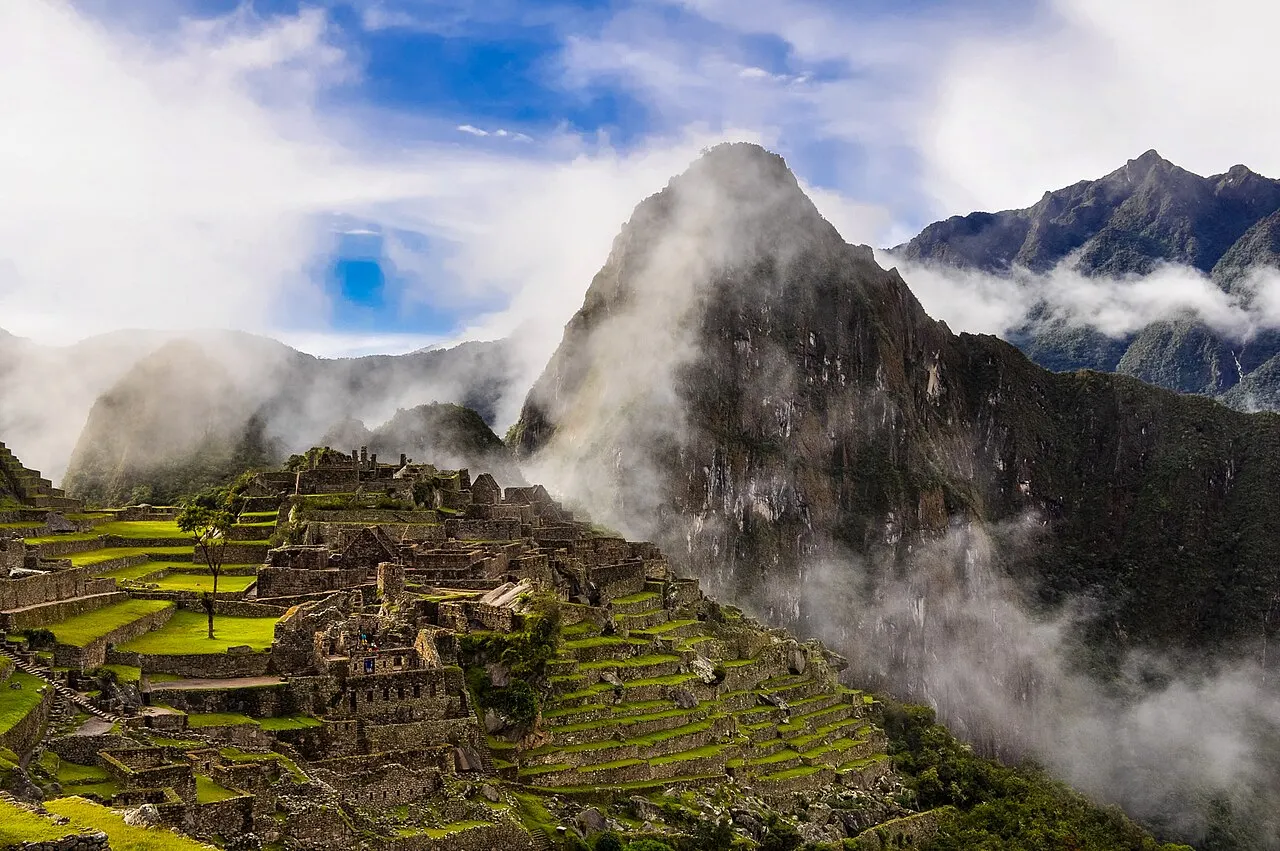
Photo: Fabien Moliné / Unsplash
- ✓One well-chosen circuit is enough for most visitors — a single ticket sees the city and tells its story.
- ✓A second ticket makes sense when you want monuments split across different circuits, since the circuits are largely one-way and don't overlap.
- ✓Two entries can mean two time slots on the same day or two separate days; the right shape depends on your schedule and the weather you're chasing.
- ✓Each entry is a separate, named, passport-tied ticket with its own circuit and slot — verify current rules on combining or repeating before you commit.
The honest starting point: one is usually enough
There is a particular anxiety that grips people planning a once-in-a-lifetime trip: the fear of missing something. It pushes them toward two tickets before they have asked whether they need them. So let us be honest at the outset. For the great majority of visitors, a single, well-chosen circuit is plenty. You walk the city, you stand at the overlook, you read the terraces and the temples, you have your moment in the clouds — and you leave full rather than wanting. One ticket, chosen with care, is not a compromise.
The case for two is real but specific. It rests almost entirely on the fact that the circuits are largely one-way and do not overlap, so no single ticket can show you everything. If the things you want sit on different circuits, one visit physically cannot reach them all. That is the genuine reason to consider a second entry — not a vague worry about missing out.

When a second ticket genuinely earns its place
A few clear situations justify booking two entries. Each comes back to that one-way, non-overlapping design.
The first is wanting monuments that live on different circuits — say the high panoramic overlook on one circuit and the lower Temple of the Sun on another. Because you cannot backtrack across the citadel, the only way to walk both is to enter twice, on the two circuits that carry them.
The second is adding a peak without sacrificing the city. The add-on climbs of Huayna Picchu and Machu Picchu Mountain attach to specific circuits and eat a large chunk of time and energy. Some people prefer to dedicate one entry to the climb and a separate entry to a calmer walk through the citadel itself, rather than try to cram both into a single, breathless visit.
The third is chasing the light or beating the weather. Machu Picchu's mornings can sit under thick cloud that burns off by midday, or be crystal clear and then close in. A second visit — a different slot or a different day — is an insurance policy on the view, giving you two rolls of the dice on that perfect, mist-lifting moment.
- Monuments split across different circuits you cannot reach in one one-way walk.
- A peak climb plus a relaxed citadel walk, kept separate so neither is rushed.
- Weather and light insurance — a second window in case the first is socked in with cloud.
- A genuinely unhurried experience, if your time and budget comfortably allow it.
Two slots on one day, or two days?
If you do decide on two entries, the next question is the shape. Two slots on the same day pack the experience tight: you enter, walk a circuit, and re-enter for another, all within one trip into the gorge. It is efficient on travel and accommodation, but it is a long, demanding day at altitude with two passes through the entrance control, and it leaves little slack if anything runs late.
Two separate days is gentler and more romantic. You sleep at the foot of the mountain, visit once, rest, and return the next morning with fresh legs and, often, different weather. It costs an extra night in Aguas Calientes and a second set of bus rides, but it turns a marathon into two unhurried mornings — and doubles your odds of catching the light you came for.
What two tickets actually involves
It is worth being clear that two entries means two genuinely separate tickets, not one ticket used twice. Each carries its own circuit, its own timed slot, and the same passport-tied, named-visitor rules as any other entry. You book them as two purchases, pass the control point twice, and budget for both. If they fall on different days, you also book the matching bus rides and an extra night below.
Availability is the practical catch. In busy dry-season months, securing two good slots — especially two that fit sensibly together, or two on consecutive days — is harder than securing one, simply because each draws on the same capped daily capacity. The earlier you decide on two, the better your odds. And because the rules around how entries can be combined, repeated or sequenced are set by Peru's Ministry of Culture and have changed since the three-circuit system arrived in 2024, confirm the current specifics on the official channel before you build a plan around them.

A simple way to decide
Run your trip through three questions. Do the specific things you most want to see sit on more than one circuit? Do you want a demanding peak climb and a calm citadel walk without rushing either? Is the weather in your travel month notoriously fickle, and does your budget have room for a second night and a second entry? A clear yes to any of these tips you toward two. A shrug at all three means one good ticket is your answer — and a cleaner, less expensive trip for it.
Whichever you choose, the underlying advice does not change: pick the circuit (or circuits) deliberately, book the entry before the train, and carry the passport you booked under. Get those right and one ticket is rarely a regret.
- Want monuments on more than one circuit? Lean toward two.
- Want a peak and a relaxed walk, both unhurried? Lean toward two.
- Fickle weather and budget to spare? Two is a sensible hedge.
- None of the above? One well-chosen circuit is the right, cleaner call.


Related guides

The Best Machu Picchu Circuit for Your Visit
There is no single best circuit — only the right one for you. How to choose by the classic view, photography, ruins depth, hiking ambition, mobility, family pace and ticket scarcity.
Read guide
Two Days at Machu Picchu: The Overnight Plan
A two-day Machu Picchu itinerary built around one night in Aguas Calientes — calmer entry slots, the second-entry decision, less transit stress, and a relaxed train in and out, paced for couples and first-timers who want the citadel to breathe.
Read guide
Machu Picchu Entry Times & Time Slots
How the timed-entry system works, morning versus midday versus afternoon, matching your slot to the train and the bus, and why late arrivals fail.
Read guideMore in Tickets guide
6Best Circuit for the Classic Machu Picchu Photo
Which routes deliver the iconic postcard view, when the light is best, how mist and season play, and how to avoid the photo disappointment that catches first-timers.
Read guide
Do You Need a Guide at Machu Picchu?
When a licensed guide is required or simply worth it, private versus shared, how the route flow works, and how to book ethically.
Read guideHow to Book Machu Picchu Tickets
The booking sequence, in order: pick the date, choose the circuit and route, secure the entry window, enter passport details, then arrange the train and your overnight.
Read guide
Intipunku, the Sun Gate: How to Reach It
The Sun Gate above the citadel — the Inca Trail's grand entrance and a stiff out-and-back for ticket holders. How to reach it, the seasonality, the views and the effort involved.
Read guide
Last-Minute Tickets in Aguas Calientes
Buying Machu Picchu entry in person at the foot of the mountain — the official sales offices in Machu Picchu Pueblo and Cusco, the real risks and caveats, and why this is a backup, not Plan A.
Read guide
Machu Picchu Circuit Map Guide: Reading the Routes
How to read the official Machu Picchu route map — the three circuits and their numbered routes — and match your timed ticket to the views and monuments you actually came for.
Read guide